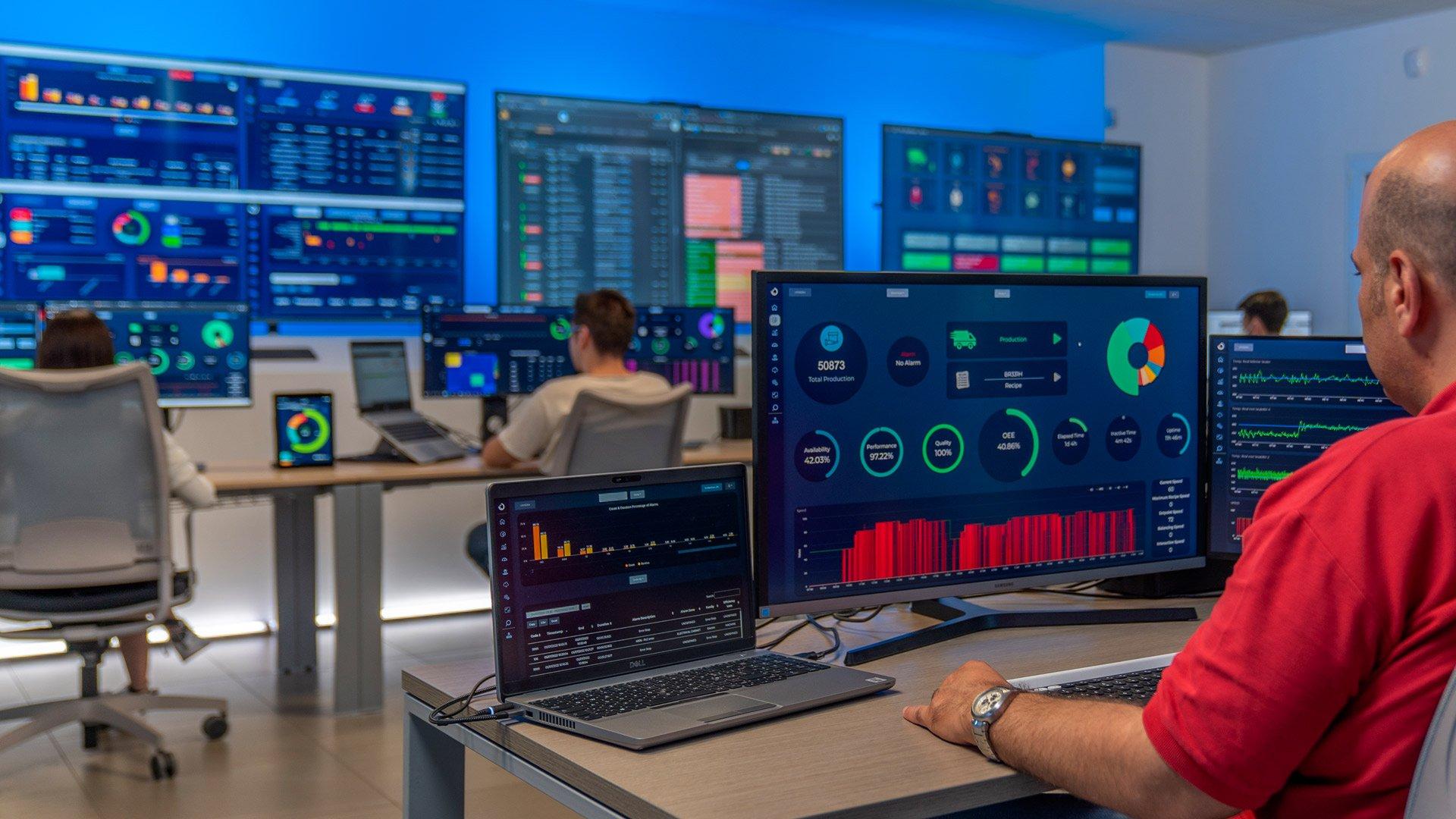
Industrial Edge Computing Drives Next Phase of Smart Manufacturing Transformation
Introduction
Industrial automation is undergoing a major transformation driven by the rapid adoption of edge computing technologies. In modern manufacturing environments, the need for real-time data processing and low-latency control has made edge computing an essential part of industrial system architecture.
Factories are increasingly connecting machines, sensors, PLC systems, and cloud platforms into unified digital ecosystems.
Why Edge Computing Is Becoming Essential
Traditional cloud-based systems often face challenges in industrial environments due to latency and network dependency.
Edge computing solves this problem by processing data closer to machines instead of relying entirely on remote servers.
This enables:
- Faster response times in production systems
- Reduced dependency on cloud connectivity
- Improved system reliability
- Real-time decision-making at the machine level
Relationship with PLC and SCADA Systems
Edge computing does not replace existing automation systems. Instead, it enhances them.
In modern industrial architecture:
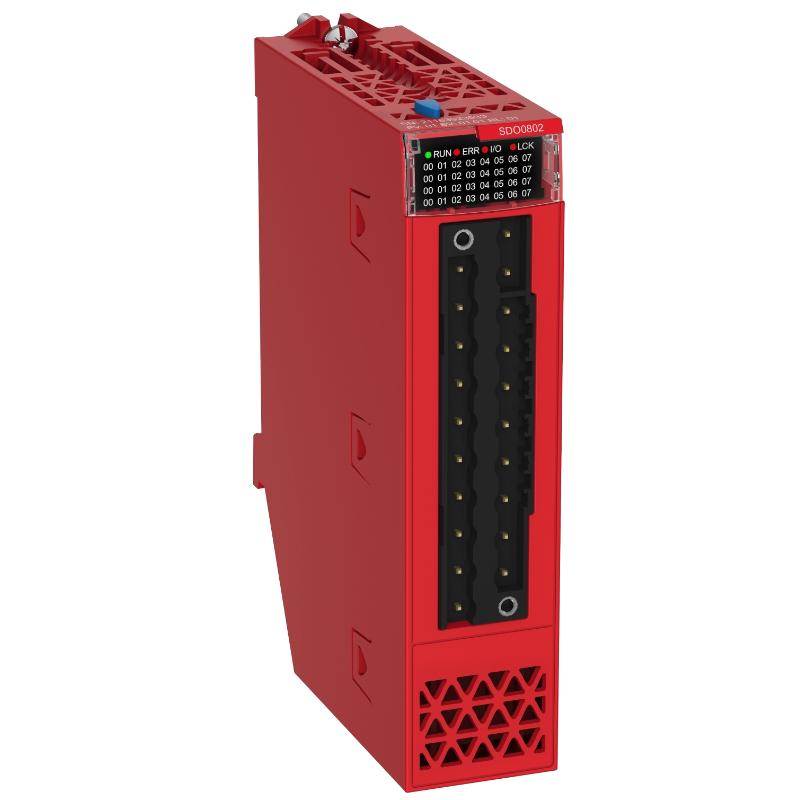
- PLC systems handle real-time machine control
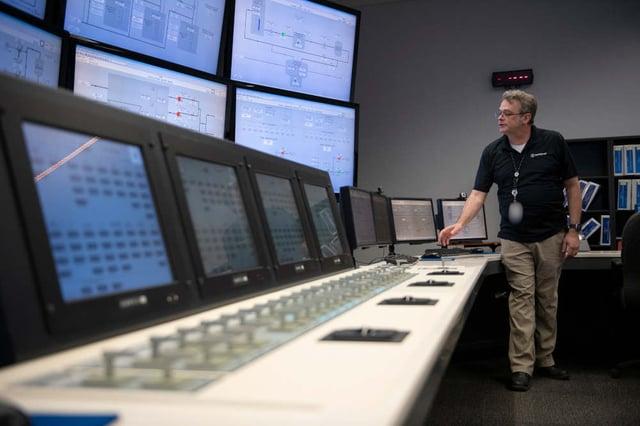
- SCADA systems manage monitoring and visualization
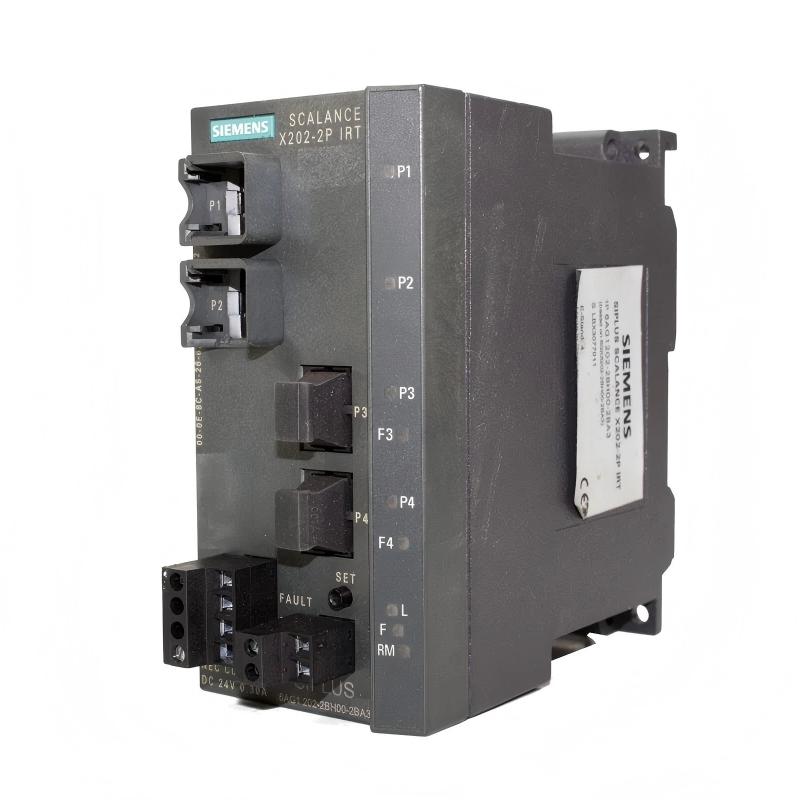
- Edge devices perform local data processing and analytics
This layered structure improves both performance and scalability.
Integration with Industrial IoT
The expansion of Industrial IoT has significantly increased the importance of edge computing.
Modern factories now collect massive amounts of data from sensors, machines, and control systems. Edge computing helps process this data locally, reducing pressure on central systems.
Key benefits include:
- Real-time data filtering
- Reduced network bandwidth usage
- Faster anomaly detection
- Improved operational efficiency
AI at the Edge
One of the strongest trends in 2026 is the integration of artificial intelligence into edge devices.
AI-powered edge systems are used for:
- Predictive maintenance
- Fault detection
- Energy optimization
- Production quality monitoring
This allows industrial systems to react instantly without waiting for cloud processing.
Industrial Applications
Edge computing is widely used in:
- Smart factories
- Robotics systems
- Energy management platforms
- Manufacturing quality inspection
- Oil and gas processing plants
These applications require fast, reliable, and local data processing.
Conclusion
Edge computing is becoming a foundational technology in industrial automation. It enables faster, smarter, and more reliable production systems by bringing computation closer to the source of data.