Siemens PLC Technology Applications in High and Low Temperature Integrated Systems: Improving Precision Control and Industrial Reliability
Meta Description (SEO):
Siemens PLC solutions are widely applied in high and low temperature integrated systems, improving temperature control accuracy, automation efficiency, and reliability in industrial applications.
Siemens PLC Enhances Automation Performance in High and Low Temperature Integrated Equipment
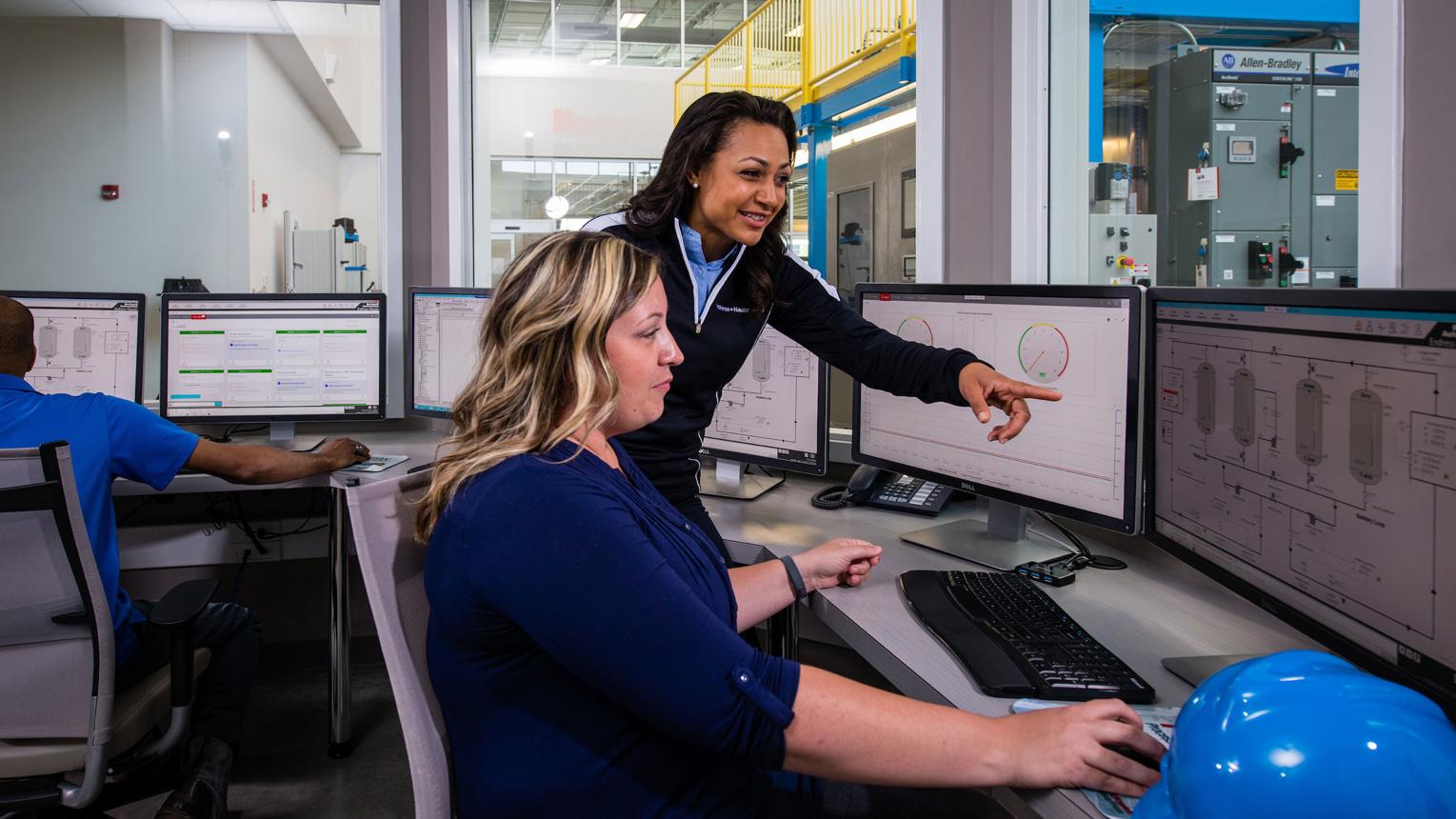
With the increasing demand for precise temperature control in industrial manufacturing, high and low temperature integrated systems are becoming essential equipment in industries such as electronics, pharmaceuticals, chemicals, automotive testing, and laboratory research.
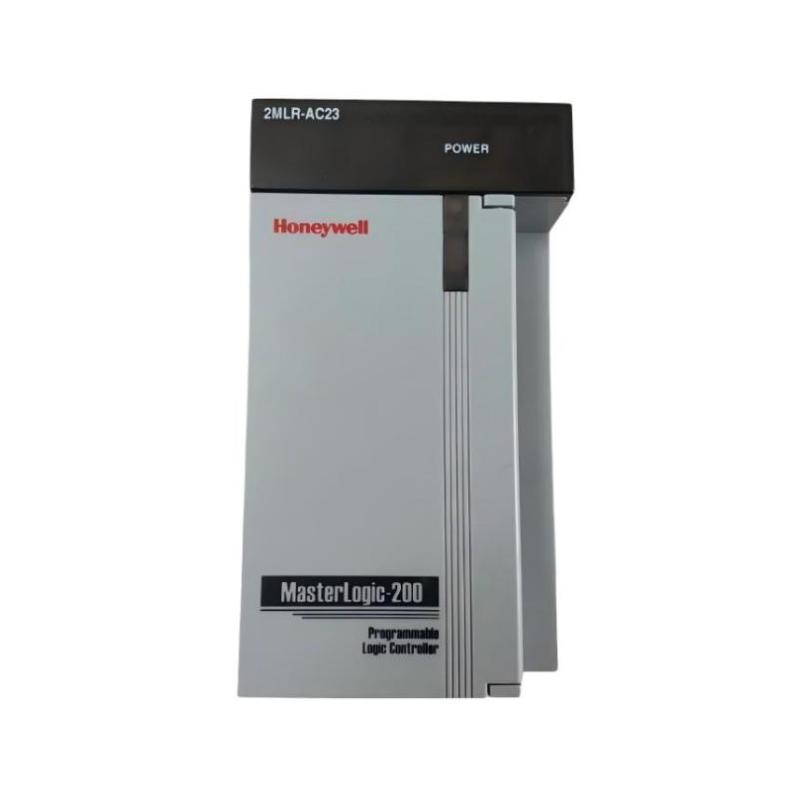
**Siemens PLC (Programmable Logic Controller) technology plays an important role in these systems by providing reliable control, data processing, and automated operation management.
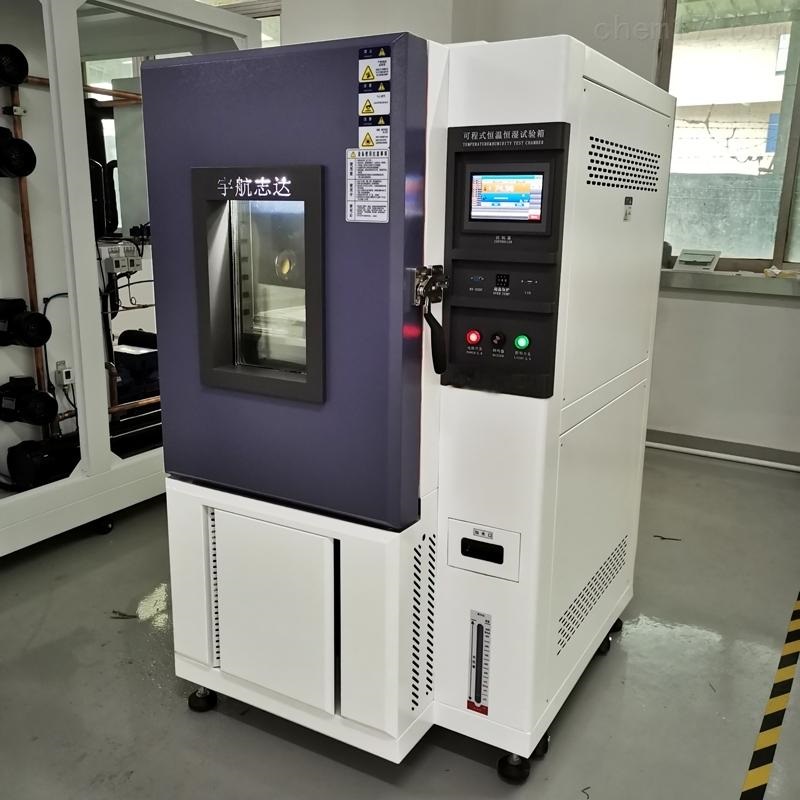
What Is a High and Low Temperature Integrated System?
A high and low temperature integrated system is designed to provide rapid switching and accurate control between heating and cooling processes.
Typical applications include:
- Semiconductor and electronics testing
- Battery performance testing
- Chemical material experiments
- Pharmaceutical production processes
- Environmental simulation testing
- Industrial equipment reliability testing
These systems require stable operation under extreme temperature conditions and precise automation control.
Siemens PLC Provides Accurate Temperature Control
In high and low temperature integrated equipment, Siemens PLC systems are mainly responsible for:
- Temperature process control
- Equipment operation logic management
- Sensor data acquisition
- Communication with temperature controllers
- Alarm monitoring and safety protection
- Automated operation sequences
Through real-time processing, PLC systems help maintain stable temperature performance and improve equipment reliability.
Key Advantages of Siemens PLC Applications
1. High-Speed Data Processing
Siemens PLC platforms can quickly process signals from:
- Temperature sensors
- Pressure sensors
- Flow monitoring devices
- Safety detection systems
This enables faster response and more accurate control.
2. Flexible System Integration
Siemens PLC solutions support communication with various industrial devices, including:
- Human-machine interfaces (HMI)
- Industrial communication networks
- Variable frequency drives
- Intelligent sensors
- Remote monitoring systems
This allows manufacturers to build more flexible automation architectures.
3. Improved Equipment Stability
High and low temperature systems often operate continuously for long periods. Siemens PLC technology helps improve:
- Operation consistency
- Fault detection capability
- Equipment safety
- Maintenance efficiency
Supporting Intelligent Manufacturing Development
With the development of Industry 4.0, high and low temperature integrated equipment is moving toward:
- Digital monitoring
- Remote operation
- Automated data recording
- Intelligent fault diagnosis
- Integration with factory management systems
Siemens PLC-based automation solutions provide an important foundation for these upgrades.
Application Industries Continue to Expand
Siemens PLC-controlled high and low temperature integrated systems are increasingly used in:
- Electric vehicle battery testing
- Semiconductor manufacturing
- Aerospace component testing
- Medical and pharmaceutical equipment
- Precision manufacturing processes
The combination of PLC automation and advanced temperature technology helps manufacturers achieve higher quality and efficiency.
Industry Outlook: PLC Automation Drives Precision Temperature Control
As industrial processes become more demanding, manufacturers require:
- Higher temperature accuracy
- Faster response speed
- Better energy efficiency
- More intelligent monitoring systems
PLC-based automation solutions will continue to play a key role in the development of advanced industrial temperature control equipment.