Distributed Control Systems (DCS) Upgrade: Real-Time Industrial Analytics Driving Process Industry Efficiency
In 2026, Distributed Control Systems (DCS) are undergoing a major transformation as industrial companies demand higher efficiency, real-time analytics, and predictive operational capabilities. DCS technology, widely used in process industries such as oil and gas, chemical production, and power generation, is now becoming smarter, faster, and more connected.
Next-Generation DCS Architecture
Modern DCS platforms are no longer limited to centralized monitoring and control. They now incorporate edge computing, cloud integration, and AI-driven analytics to enhance decision-making at every level of operation.
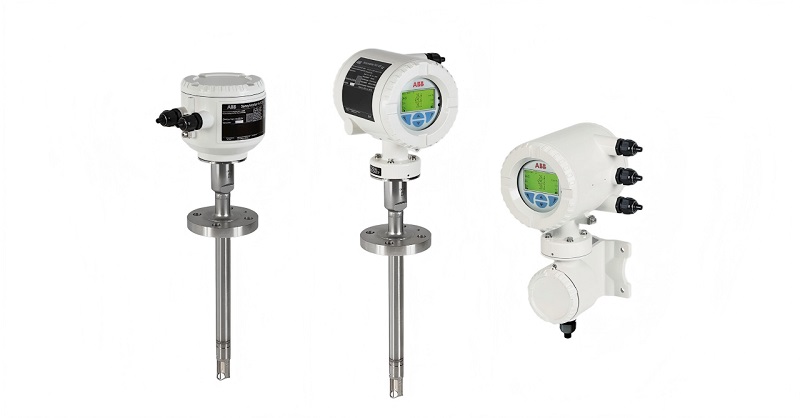
These systems continuously collect data from thousands of sensors across industrial plants, including temperature, pressure, flow rate, and chemical composition. Advanced algorithms analyze this data in real time to optimize production parameters and prevent system failures.
Predictive Maintenance and Operational Intelligence
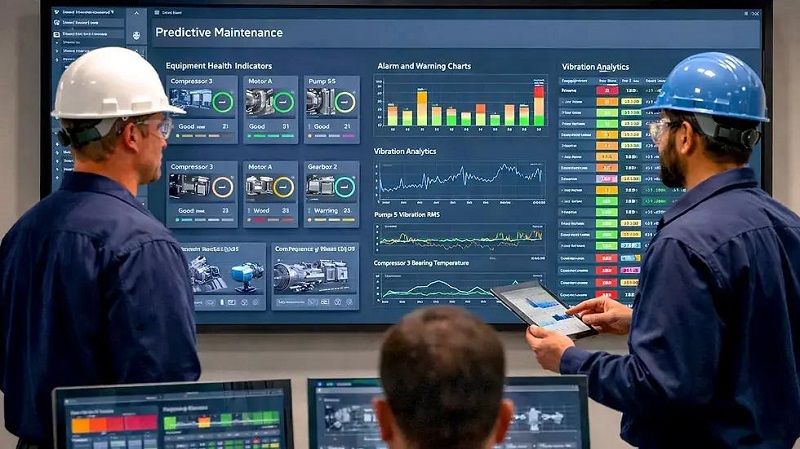
One of the most valuable features of modern DCS systems is predictive maintenance. Instead of reacting to equipment failures, the system can now predict them before they occur.
For example, in oil refineries, DCS platforms can identify abnormal pressure fluctuations in pipelines and automatically trigger maintenance alerts. This reduces downtime, improves safety, and lowers operational costs.
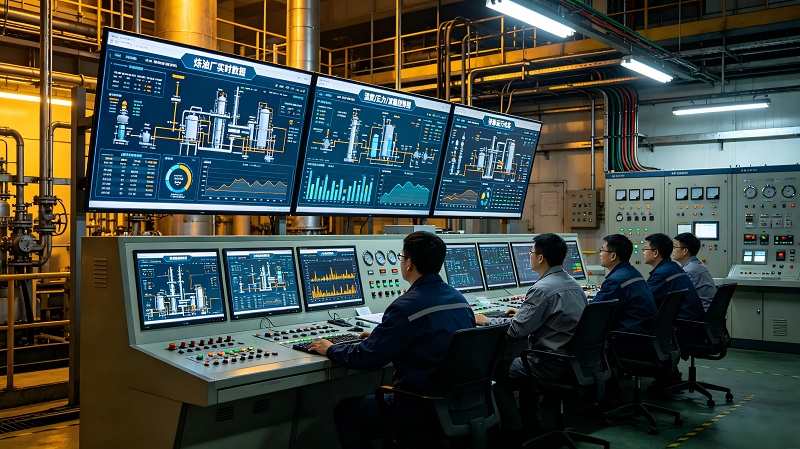
Additionally, real-time dashboards provide operators with complete visibility into plant performance, enabling faster and more accurate decision-making.
Industrial Connectivity and Smart Integration
The integration of DCS with Industrial IoT systems enables seamless communication between machines, sensors, and control centers. This interconnected environment supports full digital transformation in process industries.
Cloud-based analytics platforms further enhance DCS capabilities by enabling long-term data analysis, performance benchmarking, and remote monitoring from anywhere in the world.
Global Industry Impact
Industries adopting advanced DCS systems are experiencing significant improvements in energy efficiency, production stability, and regulatory compliance. As sustainability becomes a global priority, optimized control systems help reduce waste and minimize environmental impact.