ABB System 800xA 7.0 Advances the Next Generation of Distributed Control Systems
Introduction
The continuous evolution of distributed control systems is central to modern industrial automation. In 2026, ABB introduced an upgraded version of its flagship platform, System 800xA 7.0, designed to bridge existing industrial infrastructure with next-generation automation technologies.
This release highlights a broader trend: industrial companies are prioritizing incremental modernization instead of full system replacement.
Why DCS Modernization Matters in 2026
Many industrial plants still operate systems installed decades ago. Replacing them entirely is costly and risky. As a result, modernization strategies now focus on:
- Gradual system upgrades
- Long-term support architectures
- Virtualization compatibility
- Hybrid OT/IT integration
System 800xA 7.0 reflects this approach by enabling plants to evolve without disruption.
Key Capabilities of Modern DCS Platforms
Modern distributed control systems are no longer limited to process control. They now include:
- Advanced asset performance management
- Integrated alarm intelligence
- AI-assisted decision support
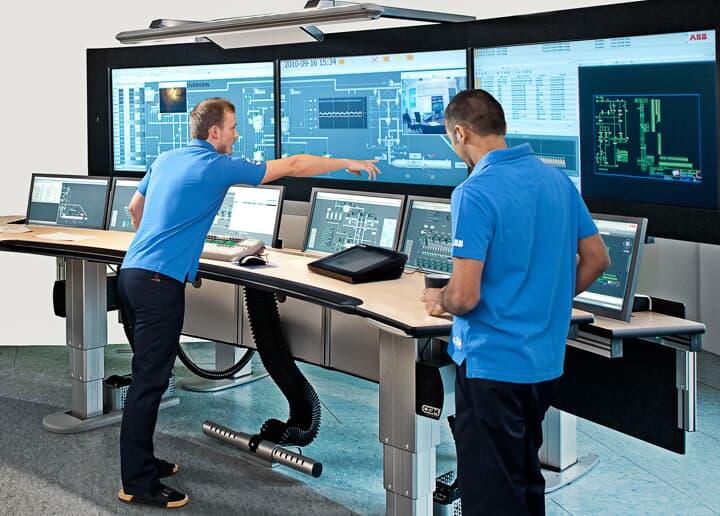
- Enhanced operator visualization systems
These capabilities improve plant reliability and reduce unplanned downtime.
Integration with Industrial Digitalization
Digital transformation in manufacturing requires seamless integration between control systems and enterprise platforms.
System 800xA supports:
- Cloud-connected analytics platforms
- Industrial IoT sensor networks
- Predictive maintenance systems
- Energy optimization tools
This integration allows operators to make data-driven decisions in real time.
The Shift Toward Unified Engineering Environments
A major challenge in industrial automation is fragmented engineering tools. Modern DCS platforms aim to unify:
- PLC programming environments
- HMI/SCADA configuration tools
- Safety system design
- Process control logic
This reduces engineering effort and improves project delivery speed.
Cybersecurity and Lifecycle Stability
Industrial systems require long lifecycle stability. Modern DCS platforms now include:
- Long-term support (LTS) releases
- Secure-by-design architecture
- Continuous vulnerability patching
- System integrity monitoring
These features are essential for critical infrastructure industries.