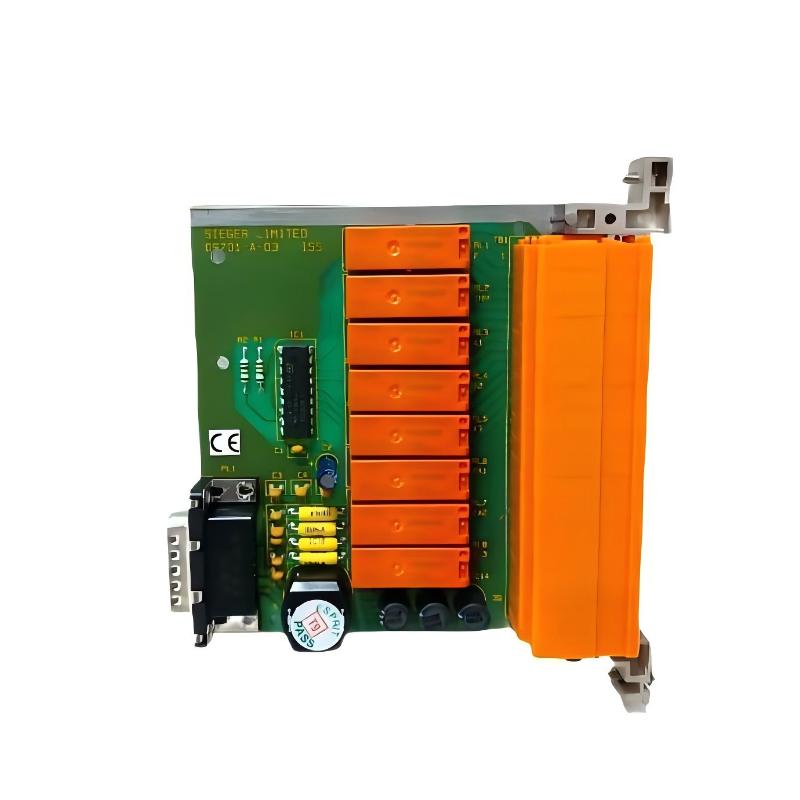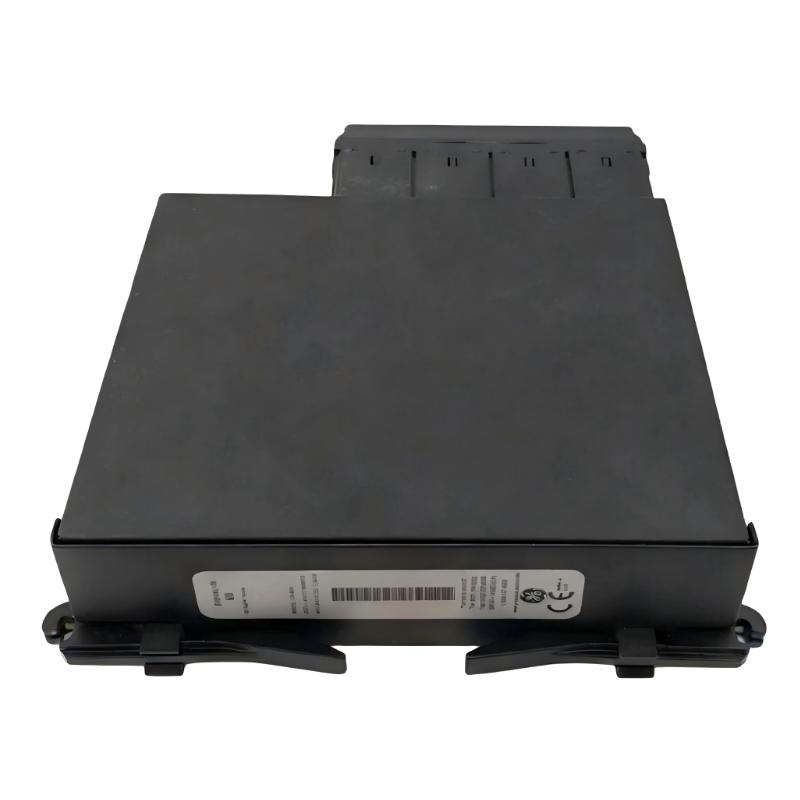
GE UR 6DH Digital I/O Module Troubleshooting Guide for Intermittent Input Loss and Output Failure in UR Relay Systems
GE UR 6DH Digital I/O Module faults are frequently misdiagnosed as module failure, but real field experience shows that most issues are caused by power instability, grounding loops, or incorrect configuration rather than actual hardware damage.
In UR Series relay systems, intermittent input loss and output non-response are among the most common reported symptoms.
Fault Symptoms in Field Operation
In a recent industrial substation case, the system exhibited random loss of digital inputs, unstable switching signals, and delayed output response from the relay.
Operators initially suspected a defective module due to inconsistent behavior across multiple channels. However, replacement did not resolve the issue, indicating a system-level problem.
The relay also showed intermittent communication warning messages during peak load operation, especially when nearby equipment was starting or switching.
Fault Diagnosis Approach
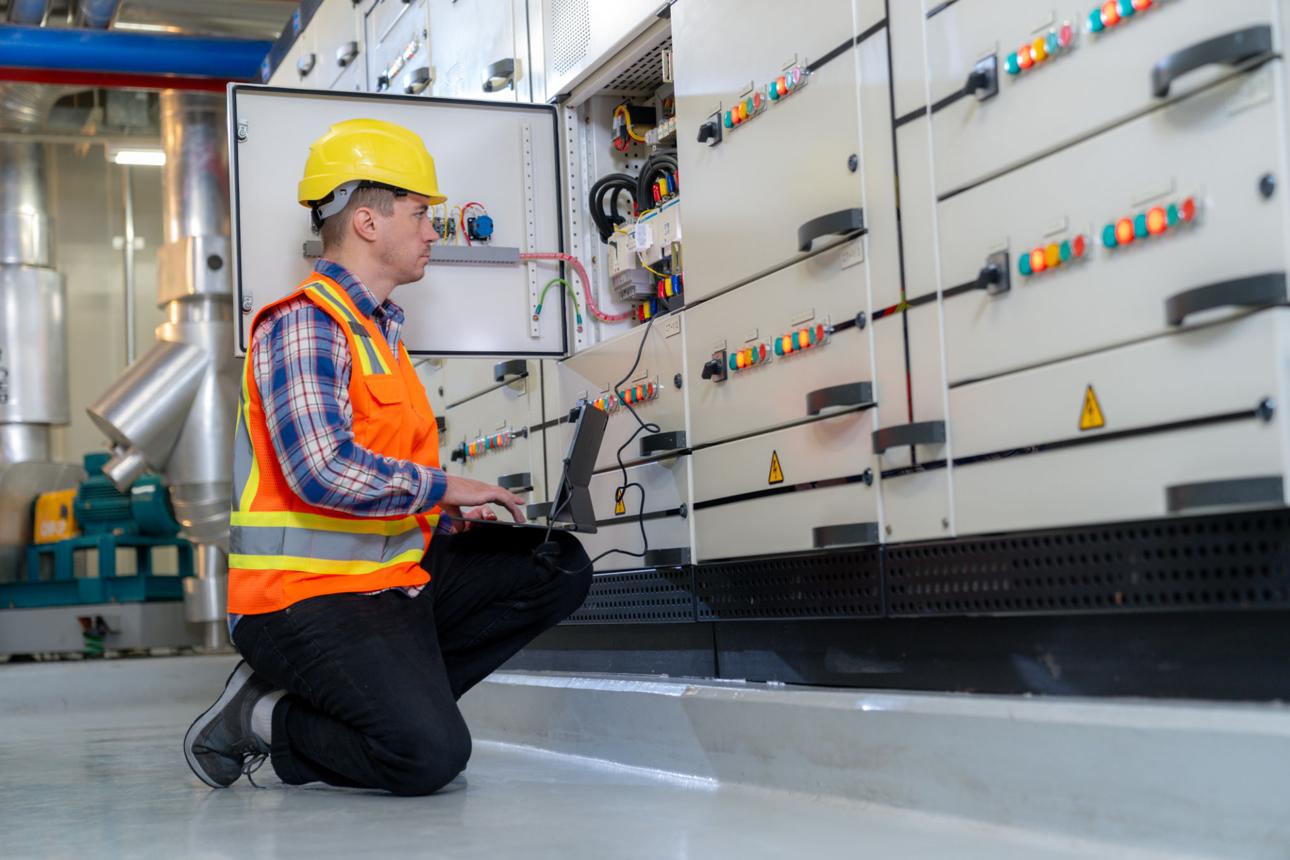
The troubleshooting process began with signal verification at the terminal level.
Input voltage was found to fluctuate significantly instead of maintaining a stable 24V DC level. This immediately indicated a power quality issue rather than a module fault.
Further investigation revealed that the backplane communication errors occurred periodically, matching the timing of heavy electrical load switching in the plant.
This pattern suggested electromagnetic interference combined with poor grounding design.
Root Cause of GE UR 6DH Module Fault
After systematic analysis, the root cause was identified as a combination of three factors.
The first was unstable auxiliary DC power shared with inductive loads, causing voltage dips during motor starting events.
The second was improper grounding configuration where shielded cables were grounded at both ends, creating a ground loop.
The third factor was electromagnetic interference affecting signal integrity inside the control cabinet.
The module itself was fully functional throughout the entire troubleshooting process.
Repair and Recovery Actions
Corrective measures focused on system-level improvements rather than replacing hardware.
The control power was separated from heavy load circuits to eliminate voltage fluctuations. Shield grounding was corrected to a single-point grounding design to remove loop current.
A filtering capacitor was added to stabilize the 24V DC supply during transient loads.
After these corrections, input signals became stable, and output response time improved significantly. Communication warnings disappeared completely from the relay diagnostics.
Field Engineering Insight
In real-world maintenance practice, replacing the UR 6DH module is often unnecessary unless physical damage is confirmed.
Most failures are caused by external system conditions such as unstable power, grounding issues, or wiring interference.
Experienced engineers typically verify power quality and signal integrity before considering hardware replacement.
Troubleshooting Summary
GE UR 6DH Digital I/O Module is a reliable component in UR relay systems, but its performance depends heavily on the surrounding electrical environment.
Proper diagnostics should always start from power supply stability, grounding structure, and configuration consistency rather than immediately assuming module failure.
This approach significantly reduces downtime and avoids unnecessary replacement costs.