Honeywell 05704-A-0123 Quad Relay Interface Card Installation Guide for System 57 Fire & Gas Rack
Honeywell 05704-A-0123 quad relay interface card installation issues are most commonly caused by incorrect relay terminal wiring, expansion mismatch with control cards, or backplane connector instability, rather than internal relay failure. In System 57 fire and gas systems, this module acts as the final safety output layer, and any wiring or configuration error directly affects alarm execution to ESD, sirens, or shutdown systems.
Honeywell 05704-A-0123 Role in System 57 Safety Architecture
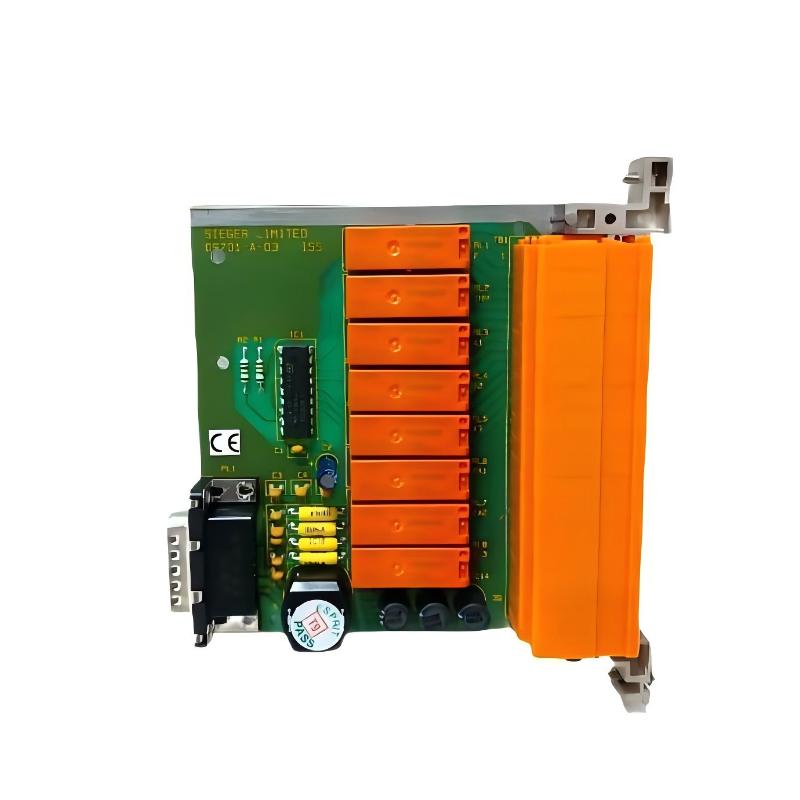
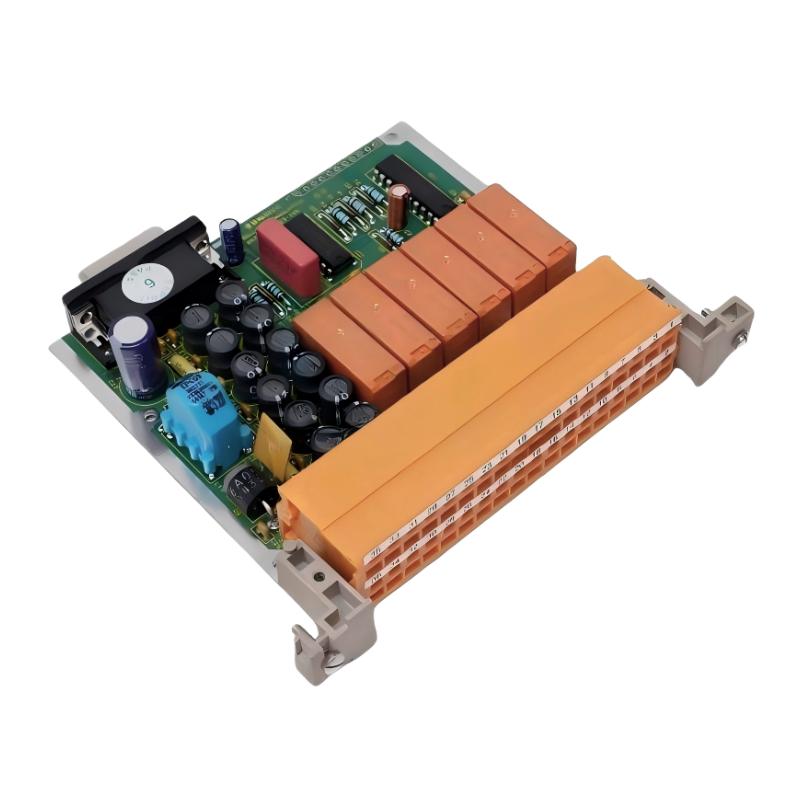
The Honeywell 05704-A-0123 is a Quad Relay Interface Card (expanded relay version) used in System 57 / 5704 fire and gas control systems. It provides relay expansion beyond the standard four-channel relay output.
Its main functions include:
- Expansion of alarm output capacity (beyond standard quad relay card)
- Mapping fire, gas, fault, and inhibit signals to external systems
- Providing voltage-free contacts for ESD and shutdown logic
- Supporting configurable relay assignment (A1 / A2 / A3 / Fault / Master Alarm)
In many systems, the 05704-A-0123 works together with a four-channel control card + base quad relay interface, forming an expanded relay assembly used in larger safety installations.
System Architecture Insight (Why 0123 Is Used)
Unlike standard relay cards, the 05704-A-0123 is typically part of an expansion relay assembly, meaning:
- Base quad relay card handles primary 4 outputs
- 0123 expansion card adds additional relay capacity (up to 12 or 16 outputs depending on configuration)
- System uses combined interface for grouped alarm logic
Field Observation: In a refinery upgrade, engineers assumed relay failure when alarms were missing. The real issue was incorrect pairing between base relay card and 0123 expansion card, leaving half of the relay matrix unconfigured.
Honeywell 05704-A-0123 Installation Preparation (Critical Checks)
Rack Conditions
- System 57 rack properly grounded (single-point grounding preferred)
- Expansion slot correctly allocated (adjacent slot required in many configurations)
- No mechanical stress on backplane connector
- Adequate ventilation for relay heat dissipation
Field experience shows that expansion relay cards are sensitive to slot adjacency errors, which can break internal relay mapping.
Electrical Preconditions
- Stable 24 V DC supply
- Ripple within acceptable limits (<100 mV peak-to-peak)
- Proper separation between relay wiring and high-voltage power cables
- No shared return path with inductive loads (solenoids, motors)
In one offshore platform, relay misfiring occurred due to shared DC supply with valve solenoids, creating voltage spikes during actuation.
Honeywell 05704-A-0123 Wiring and Expansion Logic
The relay system is structured as follows:
Base Relay Layer
- Handles core alarm outputs (A1, A2, Fault)
Expansion Relay Layer (05704-A-0123)
- Adds additional configurable outputs
- Used for complex shutdown logic or multi-zone alarm mapping
Terminal Behavior
Each relay supports:
- NO (Normally Open)
- NC (Normally Closed)
- COM (Common)
Field Issue Example: One petrochemical plant experienced incorrect shutdown logic because expansion relays were wired to NO instead of NC configuration required by ESD logic. This created a “no trip on alarm” condition.
Honeywell 05704-A-0123 Installation Procedure (Field Practice)
Mechanical Installation
- Insert card into correct expansion slot position
- Ensure full backplane engagement (no partial seating allowed)
- Tighten securing screws evenly to avoid connector tilt
- Confirm adjacent slot alignment (critical for expansion pairing)
Electrical Verification
- Verify correct relay mapping in system configuration
- Test continuity of each relay channel using multimeter
- Confirm correct response under simulated alarm conditions
- Check LED indication behavior during activation
In one LNG facility, improper seating caused intermittent relay output loss only during vibration conditions, making the fault difficult to reproduce until mechanical inspection was performed.
Commissioning Strategy (Engineering Approach)
Step 1: Static Relay Validation
- Trigger individual alarm conditions
- Verify correct relay activation (NO/NC switching)
- Confirm output consistency across all channels
Step 2: Expansion Mapping Check
- Validate relay assignment table in system configuration
- Ensure expansion card is correctly recognized
- Confirm no duplicate relay mapping between base and expansion layers
Step 3: Full System Stress Test
- Activate multiple alarms simultaneously
- Simulate fire + gas + fault conditions together
- Observe relay stability under electrical noise and load changes
In one refinery, relay instability only appeared during compressor startup due to transient voltage spikes affecting shared DC rails.