Global Smart Factory Trends 2026: PLC, DCS, and Industrial IoT Driving the Future of Manufacturing
Global industrial automation is rapidly advancing toward fully connected smart factories where PLC systems, DCS platforms, Industrial IoT, and artificial intelligence work together to create highly efficient and autonomous production environments.
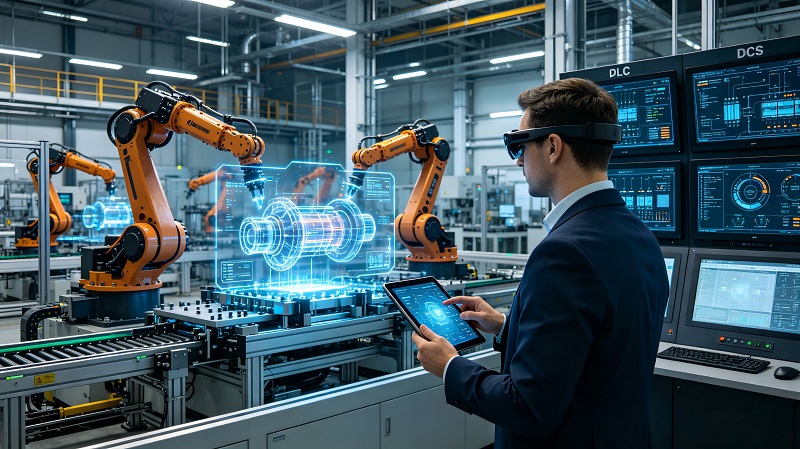
Smart Factory Architecture in Modern Industry
A smart factory integrates multiple layers of industrial automation technologies into a unified ecosystem. These include:
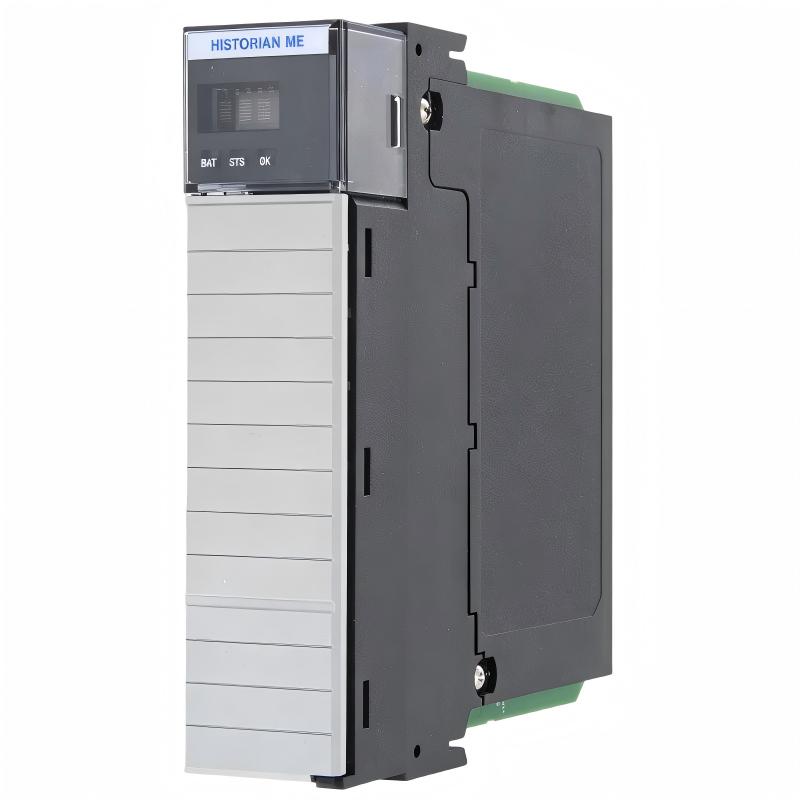
- PLC systems for machine-level control
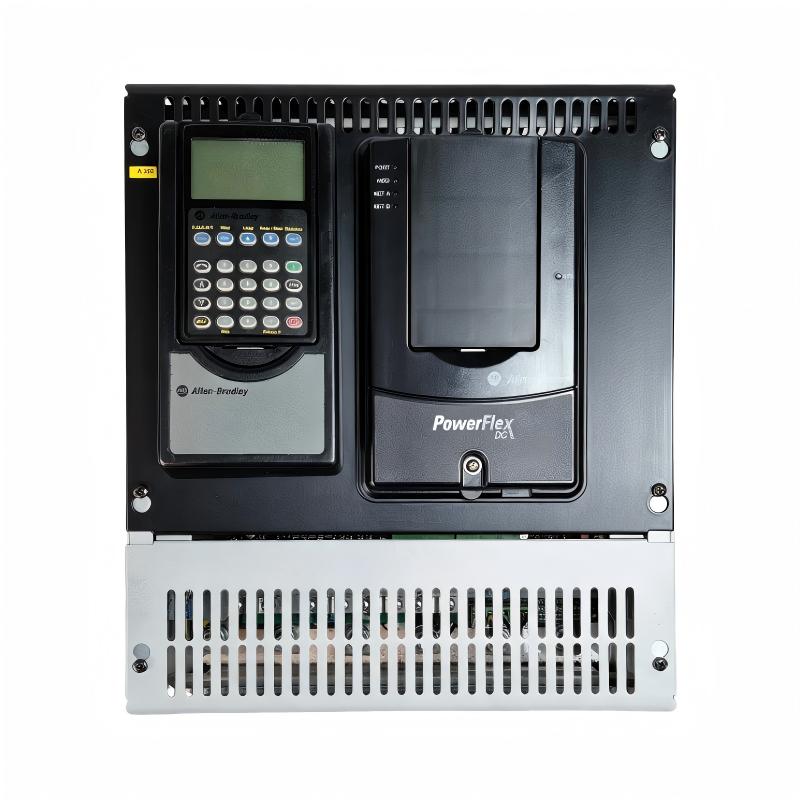
- DCS systems for process-level automation
- SCADA systems for monitoring and visualization
- IIoT sensors for real-time data collection
- AI platforms for analytics and optimization
This layered architecture allows factories to achieve full visibility and control over production processes.
Real-Time Data and Industrial Connectivity
The foundation of smart factories is real-time data exchange. Industrial IoT sensors collect massive amounts of operational data, which is then processed by edge and cloud systems.
This enables:
- Instant decision-making
- Continuous production optimization
- Remote monitoring and diagnostics
- Predictive analytics across production lines
Automation and Digital Transformation
Digital transformation in manufacturing is driven by the need for efficiency, sustainability, and competitiveness. Smart factories allow companies to:
- Reduce operational costs
- Improve production quality
- Minimize downtime
- Optimize resource utilization
Convergence of PLC and DCS Systems
One of the most important trends in industrial automation is the convergence of PLC and DCS technologies. This integration eliminates traditional boundaries between discrete and process automation, creating a unified control environment.
Artificial Intelligence in Manufacturing
AI plays a central role in smart factories by analyzing production data and optimizing industrial processes. Machine learning models continuously improve system performance based on historical and real-time data.
Future Outlook of Industrial Automation
The future of manufacturing will be defined by:
- Fully autonomous production systems
- AI-driven industrial decision-making
- Cloud-connected automation platforms
- Self-learning industrial environments