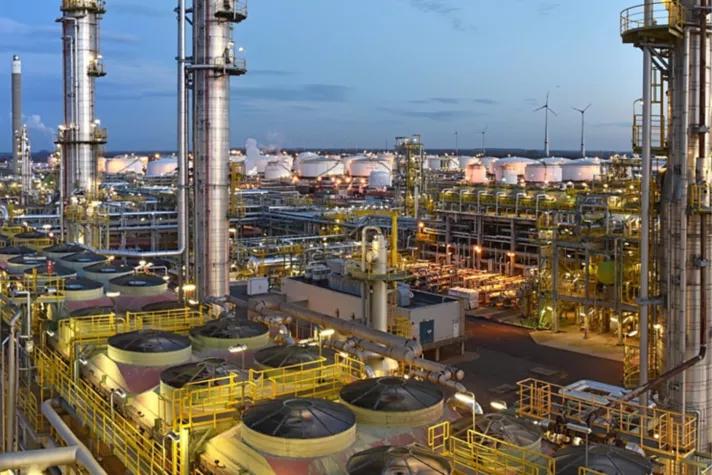
Honeywell Accelerates Industrial AI and Automation Strategy with Next-Generation Experion Cognition Platform
Honeywell Introduces a Smarter Future for Industrial Automation
As manufacturers continue to embrace digital transformation, artificial intelligence, and intelligent process control, Honeywell has introduced significant enhancements to its industrial automation portfolio through the latest generation of the Experion Cognition platform. The new solution is designed to improve operational visibility, simplify decision-making, and help industrial facilities move toward more autonomous operations.
Today's process industries generate vast amounts of operational data every second. Operators often face thousands of alarms, process variables, and equipment status updates simultaneously. Honeywell's latest innovation focuses on transforming this data into actionable insights, allowing operators to identify critical issues more quickly and make better-informed decisions.
Rather than simply displaying information on traditional control screens, the new platform organizes operational data based on priorities, process conditions, and contextual relationships. This enables operators to understand not only what is happening within a plant but also why it is happening and what actions may be required.
The release reflects Honeywell's long-term strategy of integrating industrial AI, advanced analytics, and human-centered design into next-generation automation systems.
Enhancing Operator Decision-Making Through AI
One of the most significant advancements in the latest Experion Cognition platform is the application of artificial intelligence to operator support.
Modern industrial facilities rely on thousands of field devices that continuously collect information from every stage of production. Pressure transmitters, flow meters, temperature sensors, vibration monitors, analyzers, and control valves all generate valuable operational data.
Traditionally, operators have been responsible for monitoring this information through multiple displays and alarm systems. As facilities become larger and more complex, this approach becomes increasingly challenging.
Honeywell's AI-assisted technology analyzes operational conditions in real time, helping operators identify abnormal situations before they develop into production disruptions.
Instead of overwhelming users with excessive alarms, the system prioritizes information according to operational impact, enabling faster responses and reducing the likelihood of human error.
A More Intuitive Control Room Experience
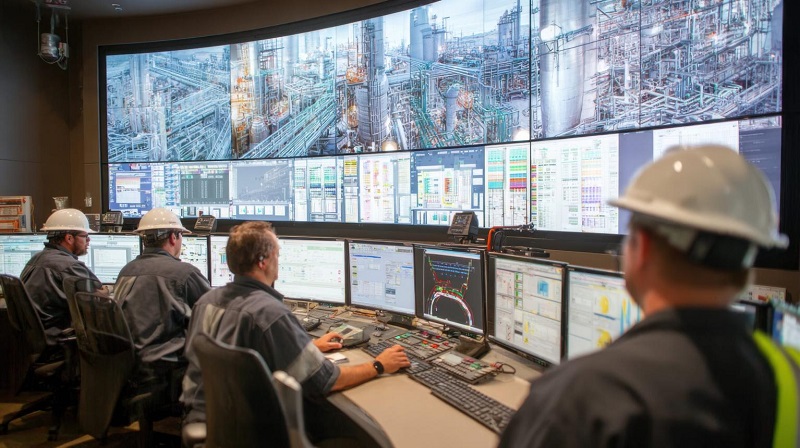
Control rooms remain the operational heart of process industries such as oil and gas, petrochemicals, power generation, mining, and chemical manufacturing.
Honeywell has redesigned the operator experience by introducing improved visualization tools that emphasize clarity, efficiency, and situational awareness.
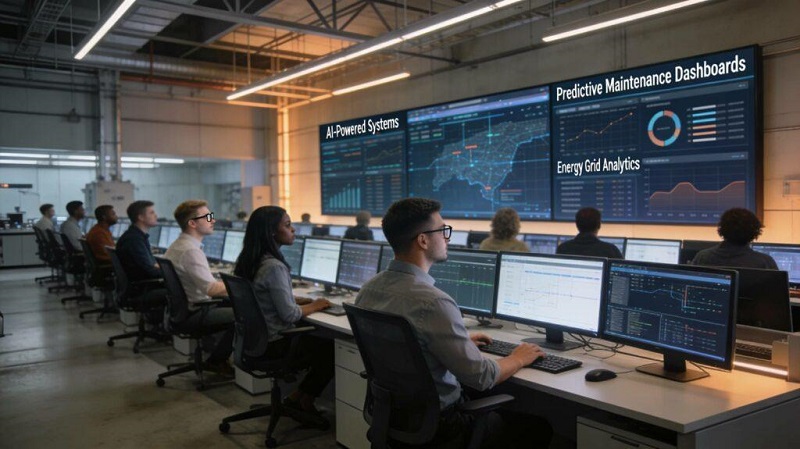
The updated interface allows engineers to monitor process conditions more efficiently through intelligent dashboards that combine equipment status, alarm summaries, production trends, and operational recommendations within a single workspace.
This integrated approach reduces the need to navigate multiple software windows, helping operators maintain greater focus during routine operations and emergency situations alike.
Improved visualization also shortens training time for new operators while supporting more consistent decision-making across production teams.
Supporting the Journey Toward Autonomous Operations
Industrial automation is evolving beyond traditional process control.
Manufacturers are increasingly seeking automation systems capable of assisting operators with predictive analysis, operational optimization, and continuous process improvement.
Honeywell's latest platform represents another step toward autonomous industrial operations.
By combining artificial intelligence, machine learning algorithms, historical operating data, and real-time analytics, the system can identify emerging operational trends, recommend corrective actions, and highlight opportunities for performance optimization.
Although experienced personnel remain responsible for final operational decisions, AI functions as a powerful decision-support tool that enhances both safety and production efficiency.
This collaborative approach between human expertise and intelligent automation is becoming an important direction for the future of industrial manufacturing.
Improving Alarm Management and Process Safety
Alarm management has become a major priority across industrial facilities worldwide.
Excessive alarms can overwhelm operators, especially during abnormal operating conditions, increasing the risk of delayed responses.
The latest Experion Cognition platform introduces intelligent alarm prioritization that helps operators focus on the most critical events first.
By analyzing relationships between different process variables, the system can distinguish between root causes and secondary effects, reducing unnecessary alarm notifications.
This approach improves situational awareness while supporting safer plant operations.
Enhanced alarm management also contributes to greater production stability by allowing operational teams to respond more effectively to changing process conditions.
Digital Connectivity Across the Entire Plant
Modern manufacturing facilities require seamless communication between production equipment, field instruments, enterprise software, and cloud-based applications.
Honeywell continues expanding the digital capabilities of its automation platform by supporting secure data exchange across multiple operational environments.
Process information collected from field devices can be integrated with maintenance systems, production planning software, engineering applications, and asset performance management platforms.
This connected architecture provides plant managers with greater visibility into operational performance while supporting predictive maintenance and continuous improvement initiatives.
As industrial organizations continue modernizing legacy infrastructure, digital integration is becoming an essential component of long-term automation strategies.
Cybersecurity Remains a Fundamental Requirement
As industrial control systems become increasingly connected, cybersecurity continues to play a critical role in protecting production operations.
Honeywell incorporates multiple layers of cybersecurity within its automation solutions to help safeguard operational technology environments against evolving cyber threats.
Security features include secure communication protocols, user authentication, network segmentation, system monitoring, and controlled remote access.
These capabilities help industrial organizations protect sensitive operational data while maintaining reliable production processes.
For industries operating critical infrastructure, cybersecurity is now considered just as important as process reliability and equipment availability.
Applications Across Multiple Industries
The latest Experion Cognition platform has been developed to support a wide variety of industrial sectors, including:
- Oil and Gas
- Petrochemical Processing
- Chemical Manufacturing
- Power Generation
- Renewable Energy
- Mining and Metals
- Pharmaceutical Manufacturing
- Water and Wastewater Treatment
- Food and Beverage Processing
- Pulp and Paper
- Industrial Utilities
Each of these industries faces increasing demands for operational efficiency, safety, sustainability, and workforce productivity.
Intelligent automation platforms provide the digital foundation necessary to address these challenges while supporting long-term operational excellence.
Looking Ahead
Industrial automation is entering an era where artificial intelligence, predictive analytics, and human-centered engineering are becoming standard features rather than optional technologies.
Future control rooms will increasingly rely on intelligent software capable of interpreting process information, assisting operators with complex decisions, and supporting more autonomous production environments.
Honeywell's continued investment in AI-enabled process automation demonstrates the company's commitment to helping manufacturers improve productivity while maintaining the highest standards of operational safety and reliability.
As digital transformation accelerates across industries worldwide, intelligent control platforms will become central to achieving more connected, efficient, and resilient industrial operations.