FANUC Showcases Physical AI Robotics at Automate 2026 with Real-Time Adaptive Manufacturing Systems
FANUC Brings Physical AI Into Industrial Robotics
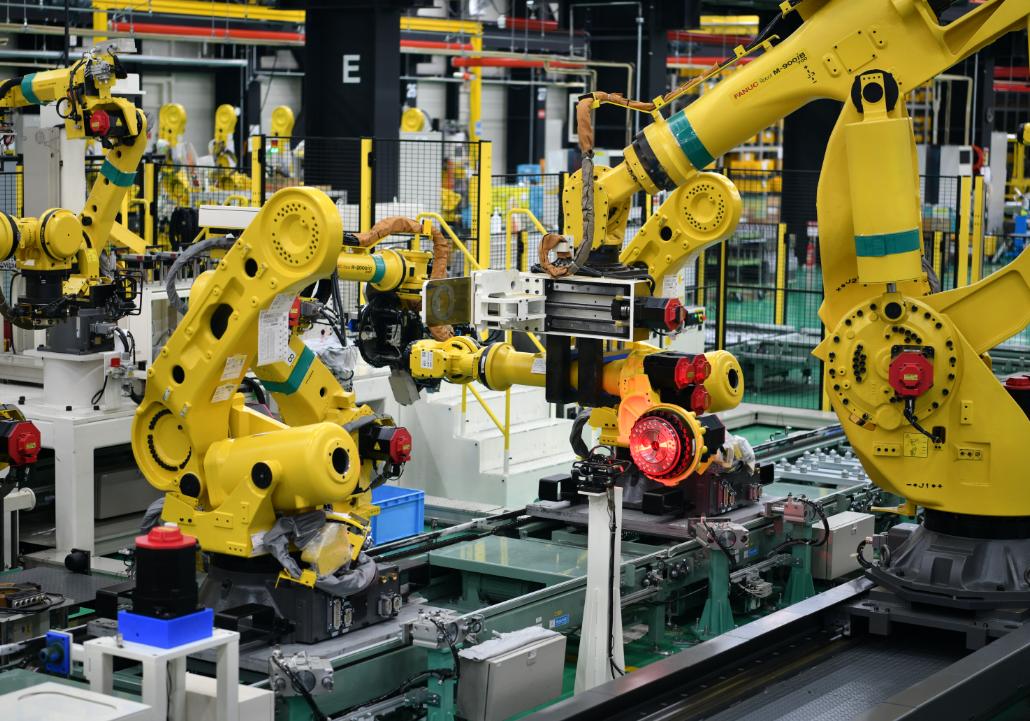
FANUC has showcased its latest generation of industrial robotics systems at Automate 2026, highlighting a major shift toward Physical AI-enabled automation. The company demonstrated how modern robots are evolving from pre-programmed machines into intelligent systems capable of perceiving their environment, making decisions, and adapting motion in real time.
This development represents a major milestone in industrial automation, as manufacturers increasingly demand higher flexibility, faster production cycles, and smarter decision-making capabilities on the factory floor.
The new generation of robots integrates advanced vision systems, machine learning models, and real-time control algorithms, enabling them to respond dynamically to changing production conditions.
Physical AI Enables Adaptive Manufacturing
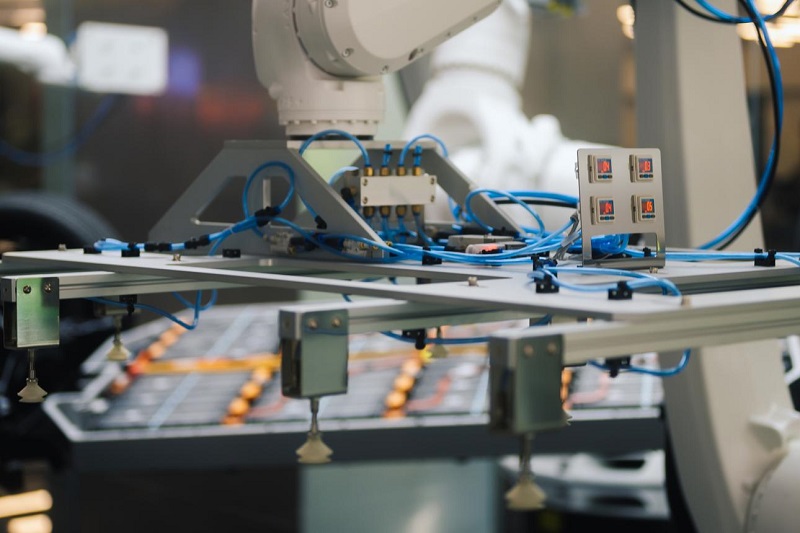
Physical AI is becoming a key technology in industrial robotics. Instead of following fixed motion paths, FANUC’s latest systems can interpret sensor data and adjust operations automatically.
Key capabilities include:
- Real-time object recognition
- Adaptive path planning
- Collision avoidance
- Dynamic speed adjustment
- Human-robot collaboration
These improvements significantly increase production flexibility, especially in industries where product variation is high.
Manufacturers benefit from reduced downtime, improved quality consistency, and more efficient production workflows.
Collaboration Between Robotics and AI Ecosystems
FANUC has also been working with AI and computing technology partners to strengthen its robotics intelligence capabilities. The integration of external AI platforms allows robots to process more complex datasets and improve decision-making accuracy.
This collaboration is part of a broader industry movement where robotics is no longer isolated hardware but part of a connected digital ecosystem combining AI, cloud computing, and industrial data analytics.
Industrial Applications Expanding Rapidly
FANUC robotics systems are widely used in:
- Automotive manufacturing
- Electronics production
- Logistics automation
- Metal processing
- Food and packaging industries
The introduction of Physical AI expands their use into more flexible production environments such as mixed-model manufacturing and high-variability assembly lines.