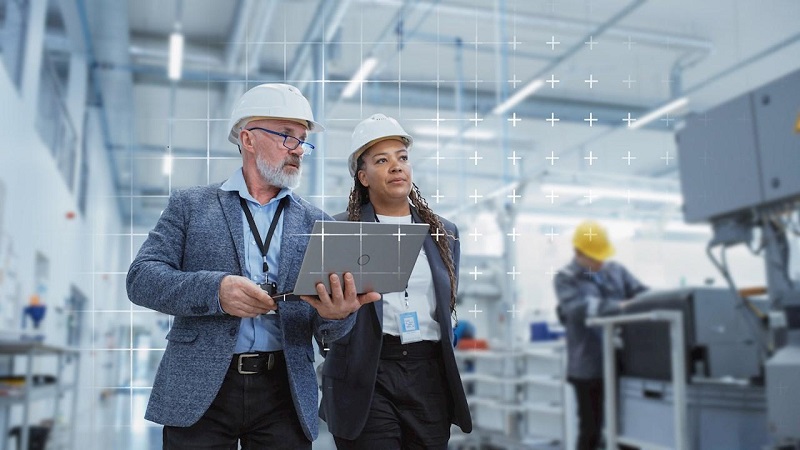
Siemens Expands Industrial Automation Digitalization Strategy with AI, Industrial Edge and Smart Manufacturing Technologies Siemens Automation Solutions Accelerate Factory Digital Transformation Through Intelligent Control Systems and Industrial Software Innovation
Siemens Strengthens Industrial Automation Development Through Digital Technologies
The global manufacturing industry is experiencing a significant transformation as companies continue adopting intelligent automation, industrial software and advanced digital technologies to improve productivity, flexibility and operational efficiency.
Siemens continues to expand its industrial automation technology development by combining traditional automation expertise with emerging technologies such as artificial intelligence, Industrial Edge computing, digital twins and industrial software platforms.
The transformation reflects a broader change across the automation industry. Modern factories are no longer relying only on traditional PLC controllers, HMI systems and industrial networks. Instead, manufacturers are building connected automation environments where machines, production systems and digital platforms exchange information continuously.
Industrial companies across sectors including automotive, electronics, energy, pharmaceutical, food processing and infrastructure are increasingly investing in automation modernization projects.
The goal is to create smarter production environments capable of improving manufacturing efficiency, reducing downtime and supporting faster decision-making.
Siemens’ continued investment in digital automation technologies demonstrates the growing importance of integrated automation ecosystems that combine hardware, software and data intelligence.
Digital Transformation Changes the Role of Industrial Automation Systems
For many years, industrial automation systems were primarily designed to control production processes.
PLC systems controlled machines, DCS platforms managed continuous processes, and HMI systems allowed operators to monitor equipment performance.
Today, automation systems are expected to provide much more than basic control functions.
Manufacturers now require automation platforms that can:
- Collect and analyze production data
- Improve equipment reliability
- Support predictive maintenance
- Optimize energy consumption
- Enable remote monitoring
- Improve production flexibility
- Enhance cybersecurity protection
This shift has changed the role of automation technologies.
Modern PLC and DCS systems are becoming important components of digital manufacturing platforms.
Instead of operating as isolated control devices, they are increasingly connected with industrial software, cloud platforms and enterprise management systems.
This integration allows companies to transform operational data into valuable business information.
Industrial Edge Technology Improves Real-Time Manufacturing Decisions
One of the important developments in modern automation is the increasing use of Industrial Edge computing.
Traditional industrial systems often transfer large amounts of data to centralized platforms for analysis.
However, many manufacturing applications require immediate responses.
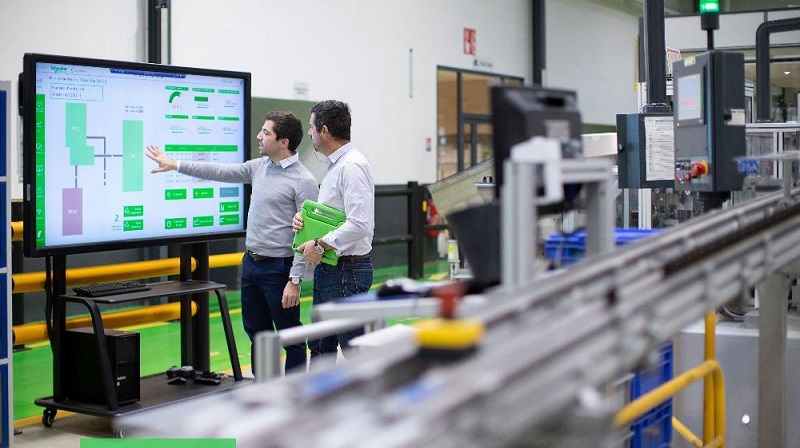
Industrial Edge technology allows data processing closer to machines and production equipment.
This provides several advantages:
Faster Response Time
Local data processing reduces communication delays and supports real-time automation decisions.
Improved Data Efficiency
Only important information needs to be transferred to higher-level systems, reducing unnecessary network traffic.
Better Equipment Monitoring
Edge devices can analyze machine conditions and identify abnormal operating situations.
Increased System Flexibility
Factories can deploy intelligent applications without changing existing automation structures.
For industries with continuous production requirements, these advantages are especially valuable.
Artificial Intelligence Becomes More Important in Factory Automation
Artificial intelligence is becoming a key technology in industrial automation development.
Manufacturers are increasingly exploring AI applications to improve production performance and equipment management.
AI can support industrial operations through:
- Automated quality inspection
- Production optimization
- Fault prediction
- Energy management
- Process improvement
- Intelligent decision support
For example, AI-based analysis can examine production data from PLC systems, sensors and machines to identify patterns that may indicate future equipment problems.
This allows maintenance teams to take action before failures occur.
In manufacturing environments where unexpected downtime can result in significant financial losses, predictive capabilities provide major advantages.
Digital Twin Technology Supports Advanced Engineering Applications
Digital twin technology is another important trend influencing industrial automation.
A digital twin creates a virtual representation of physical equipment, machines or production systems.
Engineers can use digital models to:
- Test production changes
- Simulate machine behavior
- Optimize processes
- Reduce engineering risks
- Improve commissioning efficiency
For automation projects, digital twins can help engineers evaluate system performance before implementing physical changes.
This can reduce development time and improve project reliability.
As manufacturing systems become more complex, digital engineering tools will become increasingly important.
Impact on PLC and Automation Component Markets
The development of intelligent automation technologies continues to create opportunities throughout the industrial automation supply chain.
As factories modernize their systems, demand increases for:
- PLC controllers
- Communication modules
- Industrial Ethernet equipment
- Remote I/O products
- HMI panels
- Industrial PCs
- Motion control systems
- Safety automation components
- Industrial sensors
Many companies choose gradual modernization strategies because completely replacing existing automation infrastructure can be expensive and disruptive.
As a result, automation replacement parts, expansion modules and compatible components remain important for global industrial users.
For industrial automation distributors and suppliers, supporting modernization projects provides significant market opportunities.
Future Development Direction of Industrial Automation
The future of industrial automation will continue moving toward more intelligent and connected systems.
Several major trends will influence the industry:
Greater AI Integration
Artificial intelligence will provide deeper analysis and automation optimization capabilities.
More Connected Factories
Industrial communication networks will connect more devices across production environments.
Increased Cybersecurity Requirements
Connected systems will require stronger protection strategies.
More Flexible Manufacturing
Automation systems will become easier to adapt to changing production requirements.
Sustainable Industrial Operations
Digital technologies will help companies improve energy efficiency and reduce waste.
These trends will continue shaping the next generation of smart factories.
Conclusion
The development of intelligent automation technologies is accelerating the transformation of global manufacturing.
By combining PLC systems, industrial software, AI technologies, Industrial Edge solutions and digital engineering tools, modern automation platforms are helping companies build more efficient and flexible production environments.
As industries continue digital transformation, intelligent control systems will become increasingly important for improving productivity, reliability and competitiveness.
For automation engineers, system integrators and industrial equipment suppliers, understanding these technology trends will be essential for future growth in the global market.