Virtual PLC and AI-Based Automation Are Transforming Smart Manufacturing in 2026
How Software-Based PLC Technology, Industrial AI, and Edge Computing Are Reshaping the Future of Factory Automation
The industrial automation industry is experiencing a major transformation in 2026 as manufacturers worldwide accelerate the adoption of virtual PLC technology, artificial intelligence (AI), edge computing, and industrial software platforms.
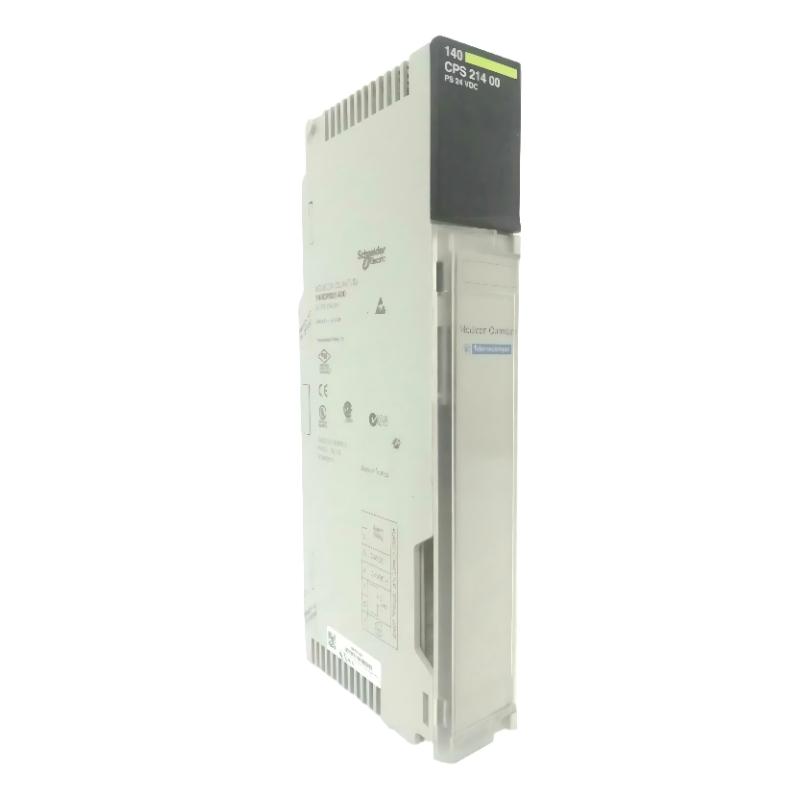
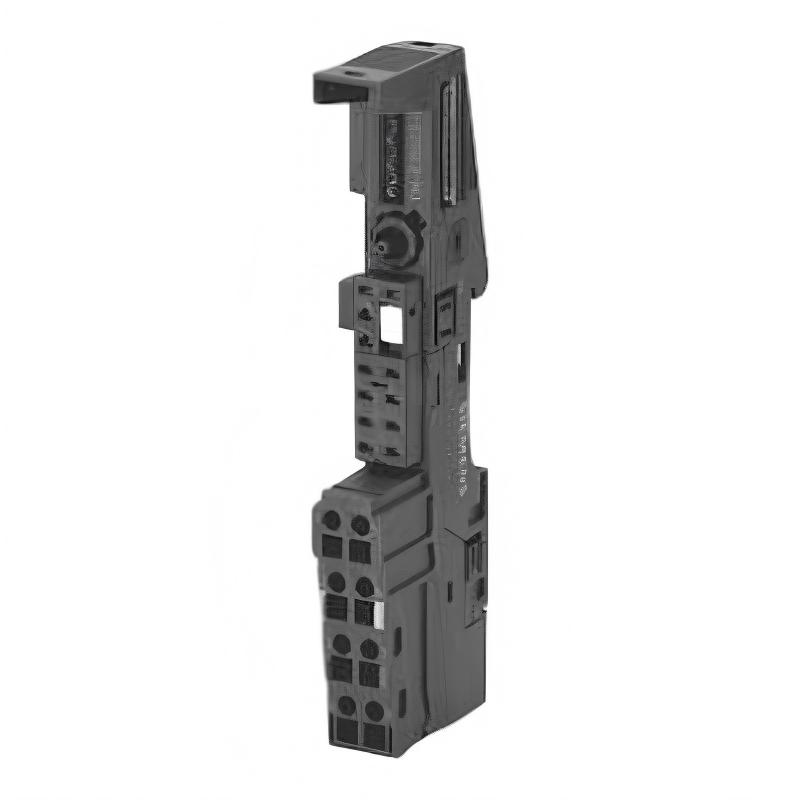
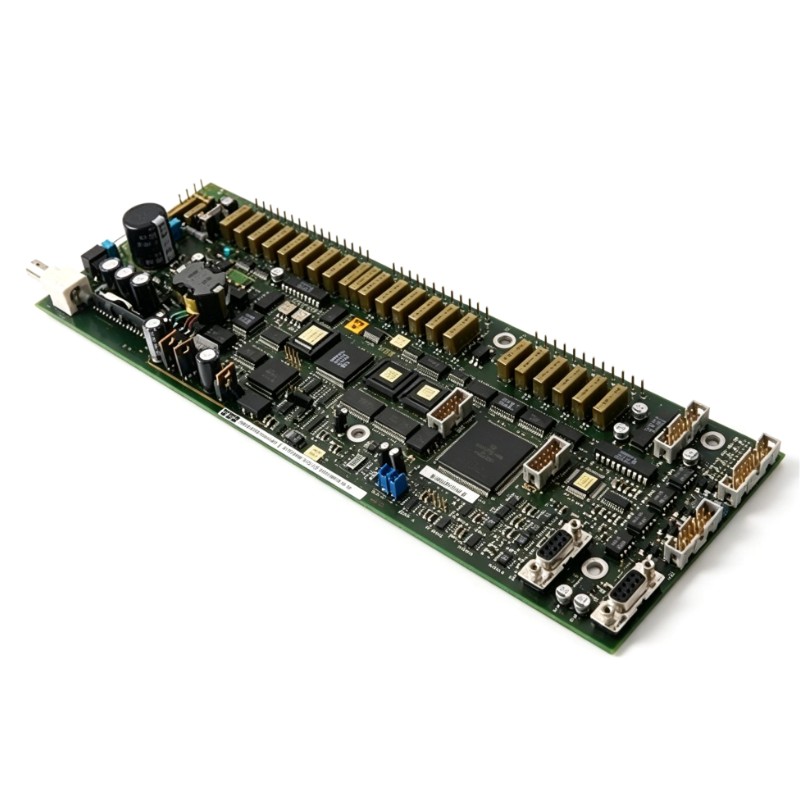
For decades, traditional Programmable Logic Controllers (PLC) have been the foundation of factory automation. PLC systems have provided reliable control for machines, production lines, robotics, and industrial equipment. However, as factories become more connected and intelligent, traditional hardware-based automation architectures are evolving into flexible software-driven systems.
Virtual PLC technology, also known as software-based PLC or PLC virtualization, is becoming one of the most important trends in industrial automation. Instead of running control logic only on dedicated PLC hardware, virtual PLC solutions allow automation programs to operate on industrial computers, edge devices, and secure digital platforms.
This new approach is changing how companies design, deploy, and maintain automation systems.
The Rise of Virtual PLC Technology in Industrial Automation
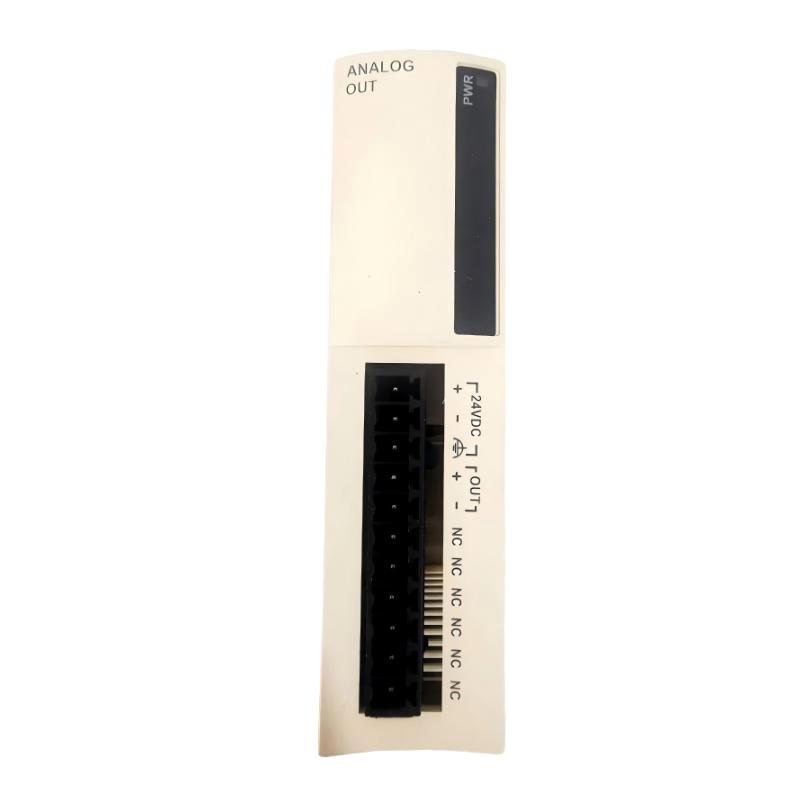
Traditional PLC systems have always depended on dedicated hardware controllers installed inside industrial control cabinets.
A conventional automation structure usually includes:
- PLC controller
- Input and output modules
- Industrial communication networks
- Human Machine Interface (HMI)
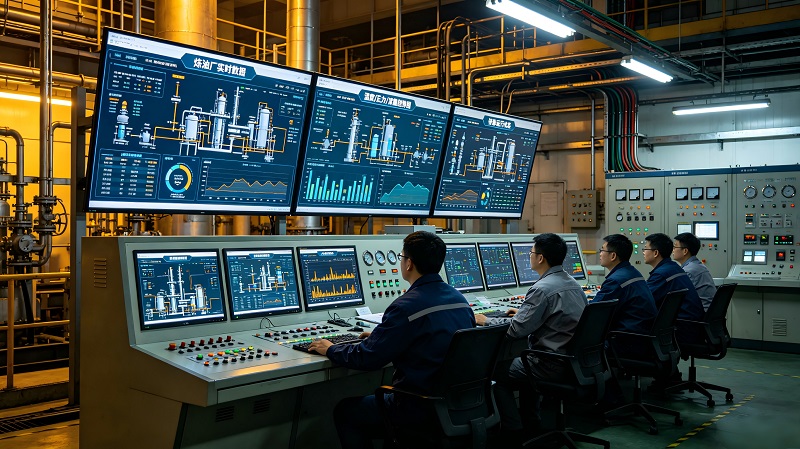
- SCADA monitoring systems
- Field devices and sensors
This architecture has provided excellent reliability for decades. However, modern manufacturers face new challenges:
- Faster product changes
- Increasing production complexity
- Global factory management requirements
- Higher demand for remote monitoring
- Need for advanced data analytics
Virtual PLC technology addresses these challenges by moving control functions from fixed hardware into flexible software environments.
Instead of replacing physical PLC hardware every time production requirements change, companies can update software-based automation systems more quickly.
Why Virtual PLC Is Becoming a Major Automation Trend
Several important factors are driving the growth of virtual PLC solutions.
1. Greater Flexibility for Smart Manufacturing
Modern factories must adapt quickly.
Consumer demand changes rapidly, product cycles are shorter, and manufacturers need flexible production systems.
Traditional PLC hardware upgrades can require:
- Engineering modifications
- Hardware replacement
- Production downtime
- Additional installation costs
Virtual PLC systems allow manufacturers to modify automation functions through software updates.
This creates a more agile manufacturing environment.
Industries benefiting from virtual PLC adoption include:
- Automotive manufacturing
- Electronics production
- Food and beverage
- Pharmaceutical manufacturing
- Logistics automation
- Semiconductor production
2. Integration With Industrial Edge Computing
Edge computing is becoming a key technology in modern automation.
Instead of sending all industrial data directly to the cloud, edge computing processes information closer to machines and production equipment.
Virtual PLC systems can operate together with industrial edge platforms to provide:
- Faster response times
- Real-time decision-making
- Reduced network traffic
- Improved data security
For applications requiring extremely fast control responses, edge-based automation provides significant advantages.
Examples include:
- Robotic motion control
- Machine vision systems
- Automated inspection
- Production optimization
3. Artificial Intelligence Enhances PLC Automation
Artificial intelligence is becoming deeply integrated into industrial control systems.
AI technology is helping manufacturers improve automation performance in several areas.
Predictive Maintenance
Traditional maintenance strategies often depend on scheduled inspections.
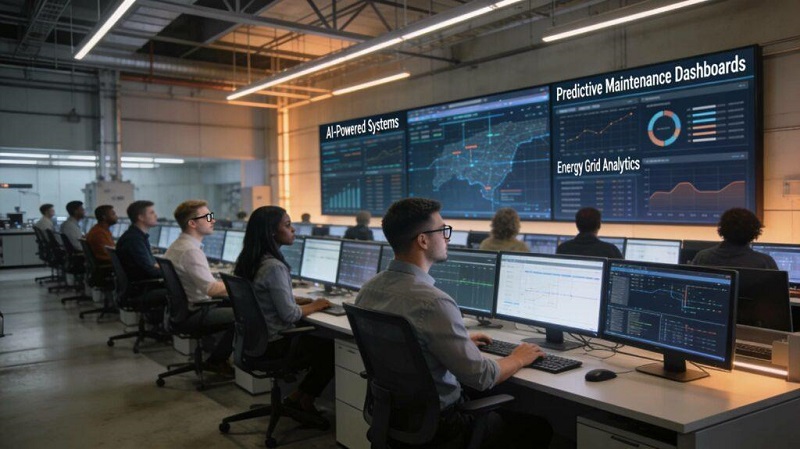
However, AI-based predictive maintenance analyzes equipment data continuously.
The system can monitor:
- Motor vibration
- Temperature changes
- Energy consumption
- Operating conditions
- Equipment performance
AI algorithms identify abnormal patterns and predict possible failures before production stops.
This reduces:
- Unexpected downtime
- Maintenance costs
- Equipment damage
AI-Assisted PLC Programming
PLC programming has traditionally required engineers to manually create control logic, test programs, and troubleshoot errors.
Artificial intelligence is changing this process.
AI-assisted engineering tools can support automation engineers by helping with:
- Program generation
- Code optimization
- Documentation creation
- Error detection
- Simulation testing
This allows engineers to complete projects faster and focus on higher-level system design.
Major Automation Companies Accelerate Software-Based Control Development
Leading automation companies including Siemens, Schneider Electric, Rockwell Automation, ABB, and other industrial technology providers are investing heavily in software-defined automation.
Siemens has continued expanding its Industrial Edge ecosystem and software-based automation solutions, supporting more flexible industrial applications.
Siemens has been developing automation platforms that connect PLC systems, industrial software, cloud technologies, and edge computing capabilities.
Schneider Electric is also promoting open and software-centric automation architectures through its EcoStruxure industrial platform.
These developments show that the future of automation is moving beyond traditional hardware controllers toward intelligent software ecosystems.
The Relationship Between Virtual PLC and Traditional PLC Systems
The growth of virtual PLC technology does not mean traditional PLC hardware will disappear.
Physical PLC systems will continue to play an important role in many industrial applications because they provide:
- High reliability
- Real-time performance
- Industrial durability
- Long operational lifespan
However, future automation environments will likely combine:
- Traditional PLC controllers
- Virtual PLC systems
- Industrial PCs
- Edge computing platforms
- Cloud-based analytics
This hybrid approach provides manufacturers with both reliability and flexibility.
Impact on Automation Engineers and System Integrators
The development of virtual PLC technology is changing the requirements for automation professionals.
In the past, PLC engineers mainly focused on:
- Ladder logic programming
- Hardware configuration
- Electrical design
- Field commissioning
Modern automation engineers increasingly need knowledge of:
- Industrial Ethernet communication
- OPC UA protocols
- MQTT communication
- Cybersecurity
- Cloud platforms
- Data analytics
- Artificial intelligence applications
System integrators are also adapting their services.
Future automation projects will require professionals who understand both:
Industrial control engineering + Information technology.
This combination is becoming one of the most valuable skill sets in the global automation industry.
Industrial Cybersecurity Challenges in Virtual Automation
While software-based automation provides many benefits, it also introduces new cybersecurity requirements.
Connected automation systems create additional security risks because industrial networks are increasingly linked with:
- Enterprise IT systems
- Cloud platforms
- Remote monitoring services
- External maintenance networks
Manufacturers must implement strong cybersecurity strategies, including:
- Secure authentication
- Encrypted communication
- Network isolation
- Access control management
- Continuous security monitoring
Cybersecurity is becoming a fundamental part of PLC and automation system design.
How Virtual PLC Technology Supports Industry 4.0
Industry 4.0 requires factories to become more intelligent, connected, and data-driven.
Virtual PLC technology supports this transformation by enabling:
Smart Production
Factories can automatically adjust production parameters based on real-time information.
Digital Twin Applications
Virtual models of machines and production systems can simulate performance before physical implementation.
Remote Operation
Engineers can monitor and optimize automation systems from remote locations.
Data-Driven Manufacturing
Production data can be analyzed to improve quality and efficiency.
These capabilities are essential for future smart factories.
Future Outlook: Software-Defined Automation Will Continue Growing
The global industrial automation market is moving toward a new generation of intelligent control systems.
Virtual PLC technology, artificial intelligence, and industrial software platforms will continue to influence how factories operate.
In the future, automation systems will become:
- More flexible
- More intelligent
- More connected
- Easier to maintain
- More secure
The factory of the future will not depend only on physical controllers. Instead, it will rely on a combination of PLC technology, software platforms, AI algorithms, and industrial data networks.
For manufacturers, automation suppliers, and system integrators, understanding virtual PLC technology will be essential for remaining competitive in the rapidly changing industrial landscape.