Safety PLC and Functional Safety Technology Strengthen Modern Industrial Automation Systems in 2026
Advanced Safety Control Solutions Improve Machine Protection, Worker Security, and Industrial Reliability in Smart Factories
The industrial automation industry is entering a new phase in 2026 as safety PLC systems, functional safety technologies, and intelligent protection solutions become increasingly important in modern manufacturing environments.
As factories become more automated, production equipment becomes faster, more powerful, and more interconnected.
Modern industrial facilities use:
- Automated production lines
- Industrial robots
- High-speed machinery
- Process control systems
- Smart manufacturing equipment
While automation improves productivity and efficiency, ensuring safe operation has become a critical requirement.
Manufacturers must protect:
- Operators
- Machines
- Production processes
- Industrial assets
Safety automation technologies provide a reliable solution by combining advanced control systems with intelligent monitoring and emergency response capabilities.
Safety PLC systems are becoming an essential component of modern industrial automation architectures, helping companies achieve higher productivity while maintaining strict safety standards.
The Growing Importance of Functional Safety in Industrial Automation
Industrial safety has always been a major concern for manufacturers.
Traditional machine safety methods mainly depended on:
- Mechanical protection systems
- Emergency stop buttons
- Safety relays
- Physical barriers
These solutions remain important, but modern production environments require more advanced safety strategies.
Today’s factories need safety systems that can:
- Monitor equipment conditions
- Respond instantly to dangerous situations
- Communicate with automation networks
- Support complex production processes
Functional safety technology provides intelligent methods for reducing risks while maintaining efficient production.
What Is a Safety PLC System?
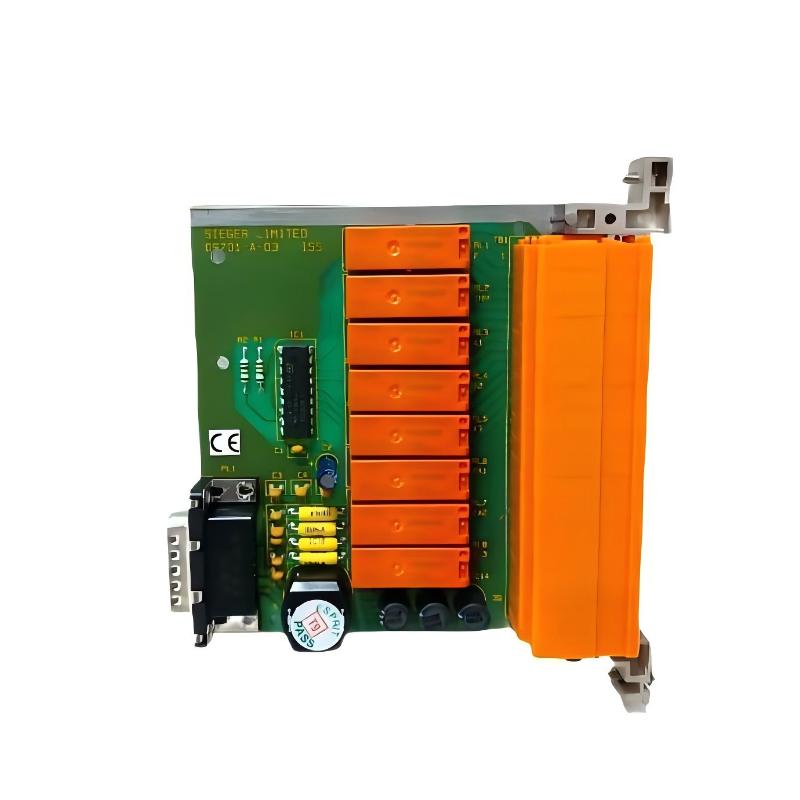
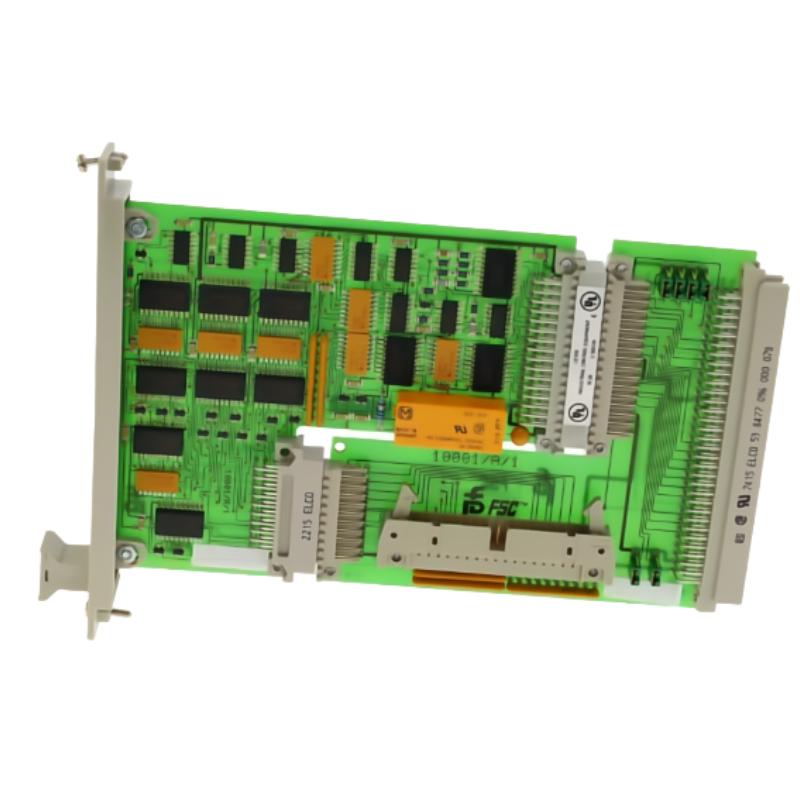
A Safety PLC is a specialized industrial controller designed to manage safety-related functions.
Unlike standard PLC controllers, Safety PLC systems are developed with additional hardware and software features to ensure reliable operation in safety-critical applications.
Safety PLC systems can control:
- Emergency stop functions
- Safety doors
- Light curtains
- Safety sensors
- Robot safety zones
- Machine protection systems
They continuously monitor safety conditions and automatically respond when dangerous situations occur.
Difference Between Standard PLC and Safety PLC
Standard PLC systems are mainly designed for:
- Machine control
- Process automation
- Sequence management
- Equipment operation
Safety PLC systems are designed specifically for:
- Risk reduction
- Safety monitoring
- Emergency control
- Protective functions
A modern industrial system may use both:
- Standard PLC for production control
- Safety PLC for safety management
Together, they create a complete automation solution.
Safety PLC Integration with Industrial Robots
Industrial robots are widely used in modern manufacturing.
Applications include:
- Assembly
- Welding
- Packaging
- Material handling
- Automated inspection
Because robots operate at high speed and with significant power, safety systems are essential.
Safety PLC technology helps manage:
- Robot emergency stopping
- Safe operating zones
- Operator access protection
- Collision prevention systems
This allows humans and robots to work together more safely.
Functional Safety Applications in Manufacturing
Functional safety technology is used across many industries.
Automotive Manufacturing
Safety systems protect:
- Robotic assembly lines
- Press machines
- Welding equipment
Food and Beverage Industry
Safety automation helps protect:
- Processing equipment
- Packaging machines
- Operators
Chemical Industry
Safety systems support:
- Process monitoring
- Emergency shutdown procedures
- Hazard prevention
Pharmaceutical Production
Safety technology helps maintain:
- Production reliability
- Equipment protection
- Process security
The Role of Safety Sensors in Modern Automation
Safety PLC systems depend on accurate input information.
Safety sensors provide important data about industrial conditions.
Common safety devices include:
- Emergency stop buttons
- Safety light curtains
- Door switches
- Laser scanners
- Pressure-sensitive sensors
These devices continuously monitor production environments.
When a dangerous condition is detected, the safety system can immediately activate protective actions.
Safety Communication Networks Improve System Performance
Modern safety systems are becoming increasingly connected.
Industrial communication technologies allow safety devices to exchange information with control systems.
Advantages include:
- Faster response
- Easier diagnostics
- Improved system monitoring
- Reduced wiring complexity
Modern factories increasingly use network-based safety solutions instead of traditional hardwired safety systems.
This creates more flexible and intelligent safety architectures.
The Integration of Safety PLC and Industry 4.0 Technologies
Industry 4.0 is transforming the way factories operate.
Smart factories require safety systems that can communicate with digital platforms.
Modern Safety PLC systems can provide information about:
- Safety status
- Machine conditions
- System events
- Maintenance requirements
This data helps companies improve:
- Equipment reliability
- Maintenance planning
- Production efficiency
Safety is becoming part of the overall digital manufacturing system.
Predictive Safety Through Data Analysis
With the development of industrial data technologies, safety systems are becoming more intelligent.
Manufacturers can analyze:
- Machine operating conditions
- Safety event history
- Equipment performance data
This helps identify potential risks before accidents occur.
Future safety systems will increasingly use:
- Artificial intelligence
- Industrial analytics
- Machine learning
to improve industrial protection.
Benefits of Safety PLC Systems for Manufacturers
Safety PLC technology provides many advantages.
Improved Worker Protection
Safety systems reduce risks in industrial environments.
Higher Equipment Reliability
Automatic protection helps prevent equipment damage.
Reduced Production Interruptions
Fast safety responses minimize downtime.
Better System Monitoring
Digital safety information improves maintenance decisions.
Flexible Automation Design
Safety PLC systems support complex production requirements.
Challenges in Implementing Safety Automation
Although safety technology provides significant benefits, companies must consider several factors.
System Design
Safety functions must be carefully planned according to machine requirements.
Engineering Knowledge
Professionals need expertise in:
- Automation systems
- Safety standards
- Risk assessment
Maintenance Management
Safety systems require regular testing and inspection.
Proper implementation ensures long-term reliability.
The Future Development of Safety Automation Technology
Safety automation will continue evolving with new technologies.
Future trends include:
- AI-based safety monitoring
- Smart safety sensors
- Wireless safety communication
- Cloud-based safety analysis
- Integrated safety and control platforms
Factories of the future will require safety systems that are intelligent, connected, and adaptive.
Conclusion: Safety PLC Technology Supports the Future of Smart Manufacturing
Safety PLC systems and functional safety technologies are becoming essential elements of modern industrial automation.
As manufacturing becomes more automated, companies need solutions that provide both:
- High production efficiency
- Reliable safety protection
By integrating Safety PLC systems with sensors, robotics, industrial networks, and smart factory technologies, manufacturers can create safer and more efficient production environments.
The future of industrial automation will not only focus on speed and productivity but also on creating intelligent systems that protect people, equipment, and industrial processes.
Safety automation will continue to play a critical role in the development of next-generation factories worldwide.