Mitsubishi Electric Develops Advanced Factory Automation Technologies for High-Speed Manufacturing and Industry 4.0 Applications
PLC Systems, Motion Control and Robotics Solutions Improve Production Efficiency Across Global Industries
The manufacturing industry is experiencing rapid technological change as companies demand higher production speed, improved accuracy and greater flexibility.
Industries including electronics, automotive, semiconductor, packaging and precision manufacturing are increasingly adopting advanced factory automation technologies.
Mitsubishi Electric continues expanding its factory automation solutions through the integration of PLC controllers, motion control systems, robotics and industrial communication technologies.
Modern production environments require automation systems that can provide:
- High-speed operation
- Precise control
- Flexible production
- Reliable performance
- Easy maintenance
The combination of intelligent control systems and digital technologies is helping manufacturers build more efficient production facilities.
High-Speed PLC Technology Supports Modern Production
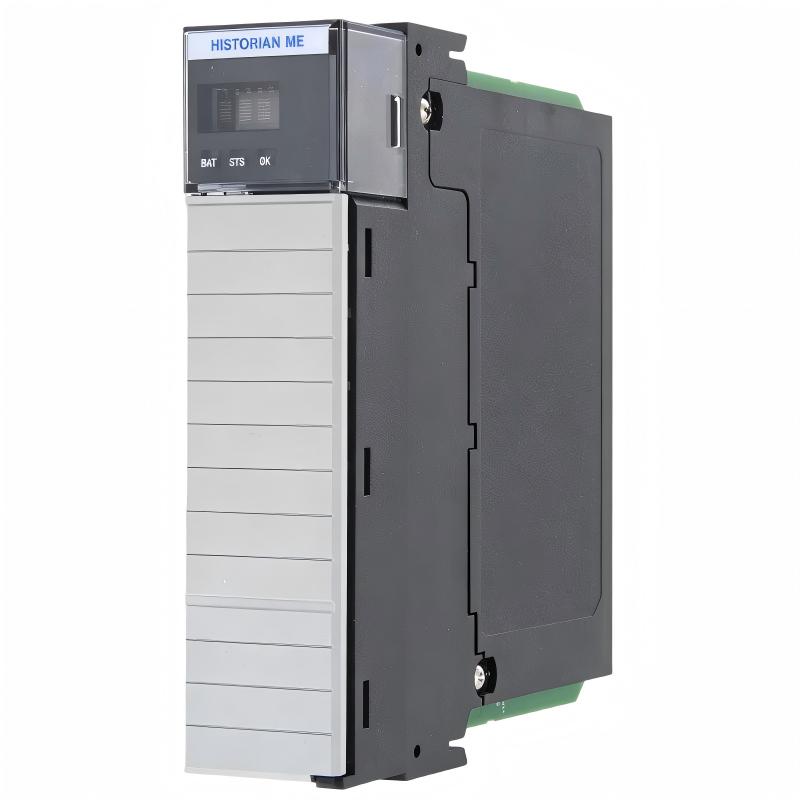
PLC controllers remain essential for automated manufacturing.
High-performance PLC systems provide:
- Fast program execution
- Large memory capacity
- Advanced communication
- Multiple device integration
Applications include:
- Assembly lines
- Packaging equipment
- Semiconductor machines
- Material handling systems
The demand for faster production cycles is driving continuous improvements in PLC technology.
Motion Control Improves Manufacturing Accuracy
Precision manufacturing requires advanced motion control.
Servo systems allow machines to achieve:
- Accurate positioning
- Smooth movement
- High-speed response
- Improved synchronization
Motion control is widely used in:
- Electronics manufacturing
- Robotics
- Packaging
- CNC systems
The integration of PLC and servo technology allows manufacturers to create highly efficient automated equipment.
Robotics Integration Creates Flexible Production
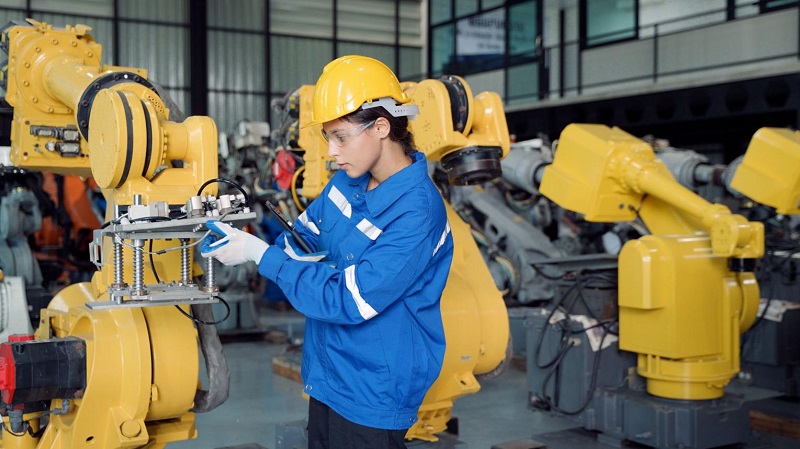
Industrial robots are becoming increasingly important in modern factories.
Robotic automation helps manufacturers improve:
- Productivity
- Safety
- Consistency
- Production flexibility
Robots are used in:
- Assembly
- Inspection
- Material handling
- Packaging
Advanced robot integration allows factories to respond faster to changing production requirements.
Smart Sensors Improve Factory Intelligence
Sensors provide critical information for automated systems.
Modern factories use sensors to monitor:
- Position
- Temperature
- Pressure
- Vibration
- Product quality
Sensor data allows PLC systems to make real-time decisions.
This improves:
- Production accuracy
- Equipment reliability
- Process control
Industrial Networks Enable Better Communication
Modern automation systems require reliable communication between devices.
Industrial networks connect:
- PLC controllers
- Robots
- HMIs
- Drives
- Sensors
Communication technologies allow manufacturers to:
- Monitor equipment
- Collect production data
- Perform diagnostics
- Improve maintenance
Connected automation systems are becoming essential for smart factories.
Semiconductor and Electronics Industries Drive Automation Demand
High-tech industries require extremely precise manufacturing processes.
Semiconductor and electronics production depends on:
- Accurate motion control
- Clean production environments
- High-speed automation
- Reliable control systems
Automation technology plays a critical role in maintaining product quality.
Energy Efficiency Becomes a Manufacturing Priority
Manufacturers are increasingly focusing on energy management.
Automation technologies help reduce energy consumption through:
- Optimized machine operation
- Intelligent motor control
- Production monitoring
Energy-efficient factories can reduce operating costs while improving sustainability.
Automation Equipment Replacement Market Continues Growing
Many industrial facilities operate automation systems installed years ago.
As equipment reaches the end of its lifecycle, companies require replacement solutions.
Demand continues growing for:
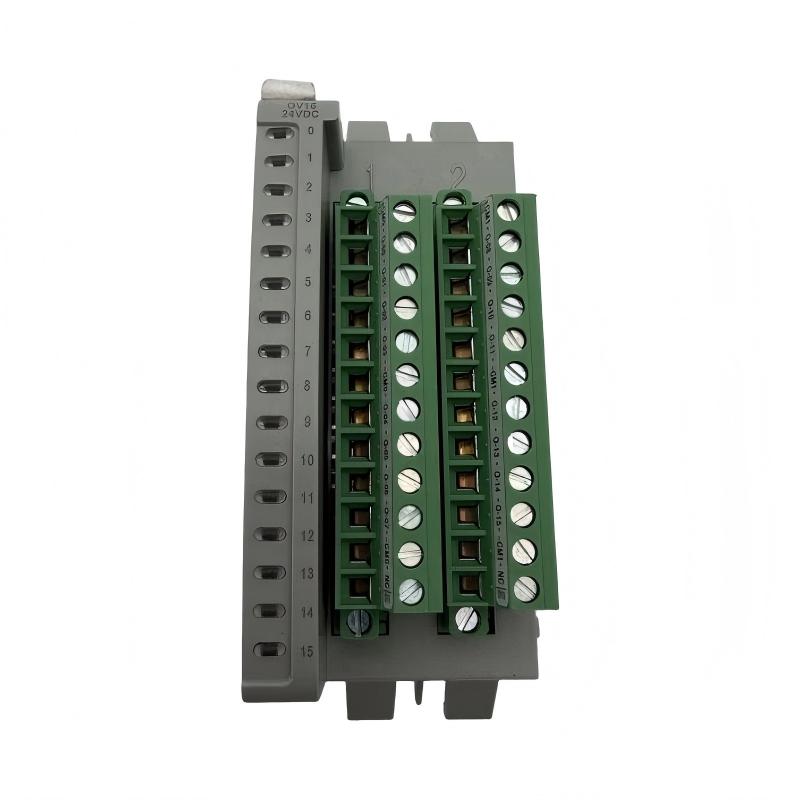
- PLC modules
- Expansion units
- Communication modules
- Servo drives
- HMI systems
The replacement market provides opportunities for global automation suppliers.
Future Development of Factory Automation
Future automation systems will integrate:
- Artificial intelligence
- Digital twins
- Robotics
- Advanced sensors
- Industrial networking
Factories will become more intelligent and flexible.
Automation technology will continue supporting global manufacturing development.