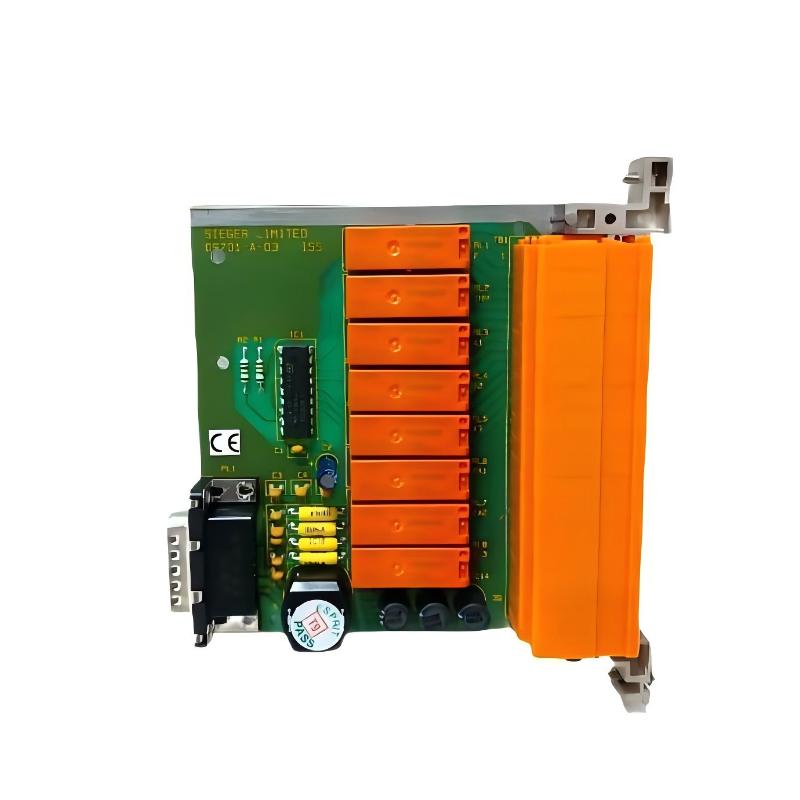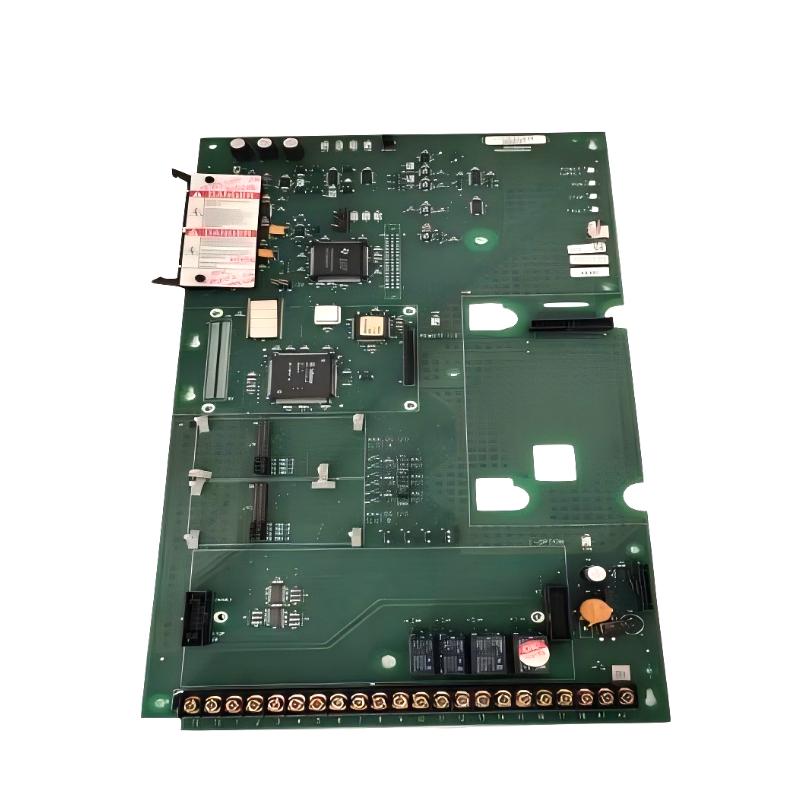
Allen-Bradley 1336F-MCB-SP1F Drive Control Board Troubleshooting Guide (Fault Diagnosis)
Allen-Bradley 1336F-MCB-SP1F Drive Control Board faults are commonly related to unstable I/O signals, communication problems, parameter corruption, or aging electronic components rather than complete drive failure. In industrial troubleshooting, engineers should separate control problems from power section problems before replacing the board.
This article describes a field case where a 1336 Plus II drive randomly lost external control commands during production operation.
Allen-Bradley 1336F-MCB-SP1F Drive Control Board Fault Symptoms
Common symptoms include:
- Drive does not respond to PLC commands
- Start signal works intermittently
- Communication drops randomly
- Parameters cannot be saved correctly
- Unexpected control faults appear
Field case:
A conveyor system stopped several times during each shift.
Initial condition:
- Drive display normal
- Motor insulation acceptable
- Power supply stable
- PLC program operating correctly
The maintenance team suspected:
- PLC output module failure
- Communication cable problem
- Motor fault
Engineers started troubleshooting from the drive control path.
Allen-Bradley 1336F-MCB-SP1F Fault Diagnosis Process
The diagnostic path:
PLC
 |
Control Signal
 |
1336F-MCB-SP1F Control Board
 |
Drive Logic
 |
Power Section
 |
Motor
Engineers checked each section separately.
Inspection results:
- PLC output: Normal
- External wiring: Normal
- Motor system: Normal
- Control board response: Unstable
The problem was isolated to the drive control section.
Allen-Bradley 1336F-MCB-SP1F Communication and Signal Fault Analysis
Measured data:
Before repair:
- PLC output voltage: 24V DC
- Control input signal: Intermittent
- Communication response delay: 2 seconds
- Fault occurrence: 6 times per shift
Engineers analyzed the signal path.
Observation:
The PLC generated correct commands, but the drive did not always process the input correctly.
Further inspection found:
- Aging electronic components
- Unstable signal processing
- Poor connector contact
Allen-Bradley 1336F-MCB-SP1F Root Cause Investigation
The final root cause was control board degradation after long-term operation.
Failure pattern:
Normal condition:
- Drive operated normally at low production demand
Fault condition:
- Frequent start/stop commands
- High operating temperature
- Long continuous running time
Engineering judgment:
The power section was healthy.
The failure was located in the control processing circuit.
Allen-Bradley 1336F-MCB-SP1F Troubleshooting Repair and Recovery
Corrective actions:
Control Board Replacement
Performed:
- Removed failed control board
- Inspected connectors
- Installed replacement board
- Restored configuration
Functional Testing
Verified:
- PLC command response
- Digital input operation
- Communication stability
- Motor control
Final results:
Before repair:
- Faults: 6 times/shift
- Unexpected stops: frequent
After repair:
- 7-day operation completed
- No control interruption occurred
Allen-Bradley 1336F-MCB-SP1F Common Fault Patterns and Diagnostic Methods
External I/O Signal Failure
Symptoms:
- Start command ignored
- Stop command delayed
Diagnosis:
- Measure input voltage
- Check terminal wiring
- Verify control board response
Communication Instability
Symptoms:
- Remote control interruption
- Parameter access failure
Diagnosis:
- Check communication connections
- Verify configuration settings
- Inspect control board condition
Parameter Memory Problem
Symptoms:
- Settings disappear after power cycle
- Drive behavior changes unexpectedly
Diagnosis:
- Compare parameter backup
- Check control board condition
- Reconfigure system settings
Allen-Bradley 1336F-MCB-SP1F Long-Term Maintenance Strategy
For reliable operation of 1336 Plus II drive systems:
- Keep parameter backups
- Record fault history
- Maintain cabinet temperature
- Inspect connectors regularly
- Prevent dust accumulation
A practical engineering rule:
“When an Allen-Bradley 1336F-MCB-SP1F control board fault occurs, verify the complete control signal chain before replacing electronic components.”
Recommended troubleshooting sequence:
Fault history review → Signal measurement → Wiring inspection → Parameter verification → Control board analysis → Functional testing.