Schneider Electric Advances Industrial Automation with AI-Driven Control Systems and Digital Factory Solutions Intelligent PLC Systems, Industrial Software and Energy Management Technologies Drive the Future of Smart Manufacturing
Schneider Electric Accelerates Industrial Automation Transformation Through Intelligent Technologies
The global industrial automation market is entering a new stage of development as manufacturers continue adopting intelligent control systems, industrial software platforms and digital technologies to improve productivity and operational efficiency.
Industrial companies across manufacturing, energy, infrastructure, water management and process industries are facing increasing demands for higher efficiency, improved sustainability and more flexible production capabilities.
Schneider Electric continues advancing its industrial automation ecosystem by combining programmable automation controllers, industrial software, connected devices and digital management technologies.
The transformation of modern factories requires automation systems that can do more than traditional machine control. Companies now need solutions capable of collecting operational data, analyzing production performance and supporting faster decision-making.
Advanced PLC systems, industrial communication technologies, artificial intelligence and digital platforms are becoming increasingly important components of smart manufacturing environments.
This development represents a major shift from traditional automation toward intelligent industrial ecosystems where equipment, software and data work together.
Intelligent PLC Platforms Support Modern Factory Automation
Programmable Logic Controllers remain one of the most important technologies in industrial automation.
For decades, PLC systems have provided reliable control for industrial machines, production lines and manufacturing processes.
However, modern manufacturing requirements have changed significantly.
Today’s PLC platforms are expected to provide:
- High-performance control
- Advanced communication capabilities
- Real-time data processing
- Remote monitoring functions
- Integration with industrial software
- Improved cybersecurity features
Modern PLC systems serve as the connection point between physical production equipment and digital factory platforms.
A smart manufacturing environment may include PLC controllers managing production sequences, sensors collecting machine information, industrial networks transferring data and software systems analyzing operational performance.
This integrated approach allows manufacturers to improve efficiency while maintaining reliable production control.
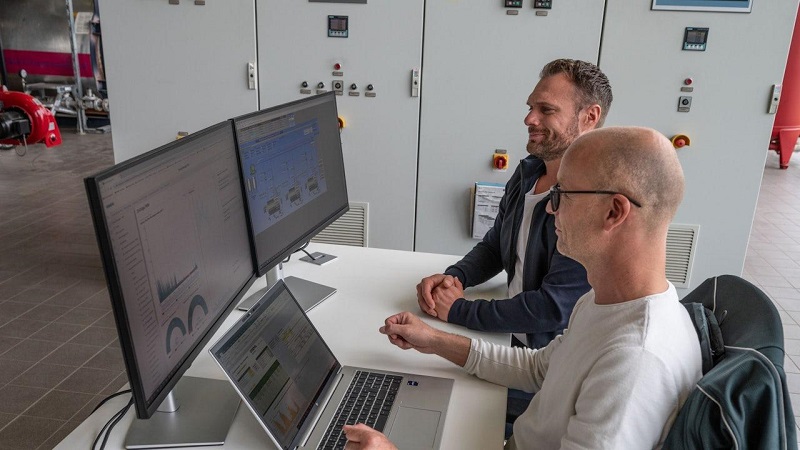
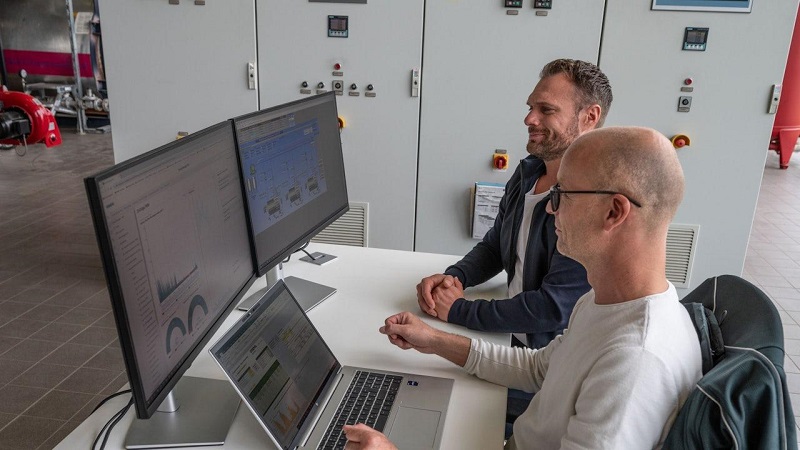
Digital Factory Technologies Improve Manufacturing Visibility
Digital transformation has become a strategic priority for industrial companies worldwide.
Manufacturers increasingly require better visibility into production processes to improve efficiency and reduce operational costs.
Digital factory solutions allow companies to monitor:
- Equipment performance
- Production output
- Energy consumption
- Maintenance requirements
- Quality indicators
- Process conditions
Real-time information helps engineers and managers make better decisions.
For example, production teams can identify bottlenecks quickly and optimize manufacturing workflows.
Maintenance departments can analyze equipment conditions and schedule service activities before failures occur.
This data-driven approach creates a more proactive manufacturing environment.
Industrial Software Connects Automation and Business Operations
Modern factories require stronger connections between production systems and business management platforms.
Industrial software provides the foundation for this integration.
Advanced software solutions help organizations:
- Monitor production performance
- Manage industrial assets
- Analyze operational data
- Improve maintenance strategies
- Optimize resource utilization
The connection between automation systems and enterprise-level software allows companies to create more efficient operational structures.
Manufacturers can gain a complete understanding of production conditions instead of relying only on individual machine information.
This integration supports better planning, faster response and improved competitiveness.
Artificial Intelligence Enhances Industrial Automation Applications
Artificial intelligence is becoming an important technology in the future development of industrial automation.
Industrial environments generate large amounts of data from sensors, controllers and production equipment.
AI technologies can analyze this information and provide valuable insights.
Industrial AI applications include:
Predictive Maintenance
AI algorithms can identify abnormal equipment patterns and predict possible failures.
Production Optimization
AI can analyze manufacturing data and recommend process improvements.
Quality Control
AI-based inspection technologies can detect production issues more efficiently.
Energy Optimization
AI analysis can help companies reduce unnecessary energy consumption.
The combination of AI and automation technologies is helping factories move toward more intelligent and adaptive operations.
Energy Management Becomes a Key Part of Industrial Automation
Sustainability and energy efficiency have become important goals for industrial companies.
Automation technologies provide powerful tools for monitoring and optimizing energy usage.
Industrial energy management systems can analyze:
- Electricity consumption
- Equipment efficiency
- Production energy requirements
- Operating conditions
By understanding energy usage patterns, manufacturers can reduce waste and improve operational efficiency.
For example, intelligent control systems can optimize motor operation, improve equipment performance and reduce unnecessary power consumption.
As global industries focus more on sustainability, energy management will become increasingly integrated with automation systems.
Industrial Connectivity Creates More Flexible Production Environments
Modern automation systems require reliable communication between different devices.
Industrial networks connect:
- PLC controllers
- Sensors
- HMIs
- Drives
- Robots
- Industrial computers
- Software platforms
Strong connectivity enables factories to operate more efficiently.
Connected automation systems provide:
- Better production monitoring
- Faster troubleshooting
- Improved system coordination
- More accurate operational analysis
Industrial communication technology will continue developing as factories become more connected.
Cybersecurity Protection Becomes Essential for Smart Factories
As industrial automation systems become increasingly connected, cybersecurity has become a major concern.
Modern factories are no longer isolated environments.
They are connected with:
- Enterprise networks
- Remote service platforms
- Cloud applications
- Digital management systems
This connectivity improves efficiency but also creates new security requirements.
Industrial cybersecurity strategies include:
- Secure communication
- Network protection
- Access management
- System monitoring
- Data security
Future automation solutions must combine intelligence with strong security protection.
Growing Demand for Industrial Automation Components
The expansion of smart manufacturing is increasing demand for industrial automation equipment.
Companies upgrading their production systems require:
- PLC modules
- Automation controllers
- Communication modules
- Remote I/O systems
- HMI panels
- Industrial sensors
- Motor control products
- Industrial networking devices
Many manufacturers choose gradual modernization strategies rather than replacing complete automation infrastructures.
This creates continuous demand for automation upgrades, replacement components and system expansion products.
For global automation suppliers and distributors, industrial modernization remains an important market opportunity.
Future Trends of Industrial Automation Development
The future of industrial automation will continue moving toward intelligent, connected and sustainable systems.
Major trends include:
AI-Based Automation
Artificial intelligence will provide stronger analysis and optimization capabilities.
Digital Twin Technology
Virtual models will improve engineering and production planning.
Flexible Manufacturing
Automation systems will become easier to adapt to changing production requirements.
Advanced Industrial Networks
Faster communication technologies will support connected factories.
Sustainable Automation
Industrial technologies will help companies improve energy efficiency.
These developments will continue shaping the next generation of manufacturing.
Conclusion
Schneider Electric’s continued development in industrial automation reflects the global movement toward intelligent and connected manufacturing.
The integration of PLC systems, industrial software, AI technologies and energy management solutions is helping companies create more efficient and flexible production environments.
As manufacturers continue digital transformation projects, intelligent automation technologies will remain essential for improving productivity, reliability and sustainability.
For PLC engineers, automation suppliers and industrial equipment providers, the growth of smart manufacturing creates significant opportunities in global markets.
The future of industrial automation will depend on solutions that combine reliable control, digital intelligence and sustainable operation.