Siemens Expands Industrial AI and Digital Twin Technologies to Transform Smart Manufacturing Advanced Automation Systems, Industrial Software and Virtual Engineering Solutions Accelerate the Future of Digital Factories
Siemens Strengthens Smart Manufacturing Development Through Industrial Digital Technologies
The global manufacturing industry is experiencing a significant transformation as companies continue adopting intelligent automation, industrial artificial intelligence and digital engineering technologies.
Manufacturers across automotive, electronics, semiconductor, energy, aerospace and industrial equipment sectors are investing in smart factory solutions to improve efficiency, flexibility and competitiveness.
Siemens continues to expand its industrial automation ecosystem by combining PLC technologies, industrial software, digital twin solutions, industrial communication systems and automation engineering platforms.
The development reflects a major trend in the automation industry: modern factories are moving from traditional production control toward intelligent manufacturing environments where machines, software and data are deeply connected.
Today’s industrial companies require automation systems that provide more than reliable control. They need technologies that can analyze production information, optimize processes and support faster engineering decisions.
The integration of industrial AI, digital twins and automation systems is becoming a key foundation for future manufacturing development.
Digital Transformation Reshapes Modern Manufacturing Operations
Manufacturing companies are facing increasing pressure to improve efficiency while responding quickly to changing market requirements.
Shorter product cycles, customized production demands and global competition are encouraging manufacturers to adopt more flexible automation strategies.
Digital transformation helps companies improve their operations through:
- Real-time production monitoring
- Advanced data analysis
- Automated engineering processes
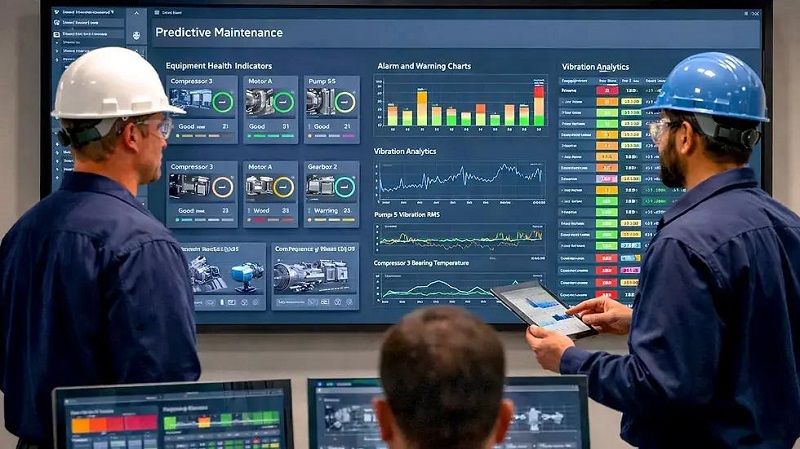
- Predictive maintenance
- Production optimization
- Improved resource management
Traditional factories often operated with separated systems where production equipment, engineering tools and management platforms worked independently.
Modern smart factories require integrated systems where automation devices and digital platforms communicate continuously.
This integration allows manufacturers to understand production conditions more accurately and make faster operational decisions.
Digital Twin Technology Improves Industrial Engineering Efficiency
Digital twin technology has become one of the most important developments in industrial digitalization.
A digital twin creates a virtual representation of physical equipment, production lines or complete manufacturing environments.
Engineers can use digital twins to simulate and optimize industrial processes before implementing physical changes.
Digital twin applications include:
Virtual Equipment Testing
Engineers can evaluate machine behavior and performance before installation.
Production Line Optimization
Manufacturers can simulate production processes to identify improvement opportunities.
Faster Commissioning
Digital engineering reduces development time during automation projects.
Maintenance Planning
Virtual models help companies understand equipment conditions and improve service strategies.
By combining digital twins with automation systems, manufacturers can reduce engineering risks and improve project efficiency.
Industrial AI Brings New Intelligence to Automation Systems
Artificial intelligence is becoming increasingly important in industrial automation.
Manufacturing facilities generate massive amounts of operational data from:
- PLC systems
- Sensors
- Robots
- Production equipment
- Industrial networks
AI technologies can analyze this information and provide deeper operational insights.
Industrial AI applications include:
Predictive Maintenance
AI algorithms identify equipment patterns and provide early warnings before failures occur.
Automated Quality Analysis
AI-based inspection systems improve product quality by detecting defects.
Process Optimization
AI helps determine better operating parameters.
Production Forecasting
Intelligent analysis supports improved production planning.
The combination of AI and automation allows factories to become more adaptive and efficient.
PLC Systems Continue Supporting Intelligent Factory Control
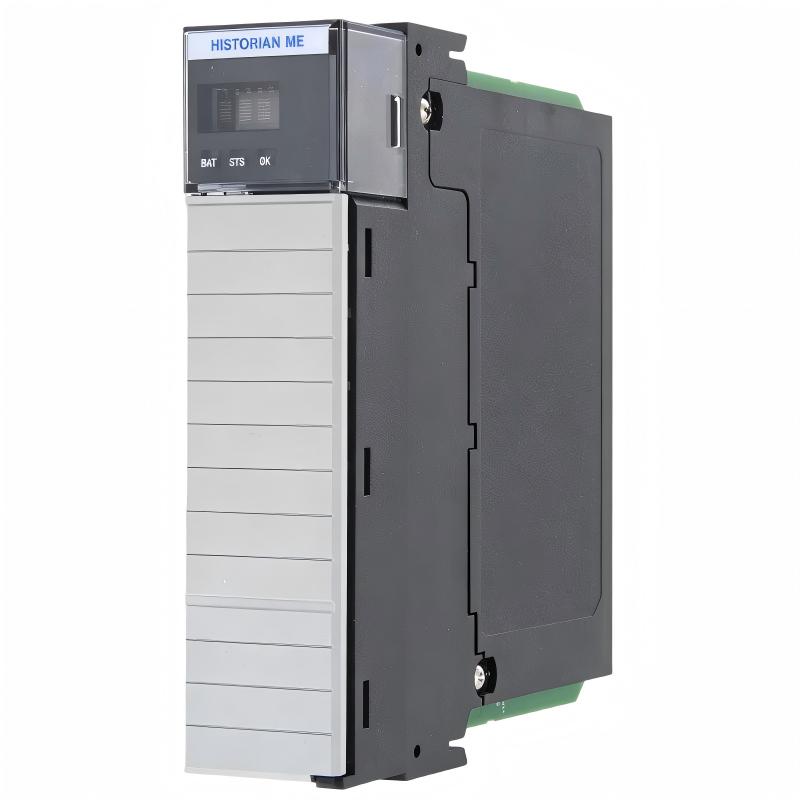
Although digital technologies are developing rapidly, PLC systems remain the foundation of industrial automation.
Modern PLC platforms are evolving to support smart manufacturing requirements.
Advanced PLC systems provide:
- High-speed processing
- Industrial communication
- Motion control integration
- Data collection capabilities
- Remote diagnostics
- Integration with software platforms
In smart factories, PLC controllers connect physical equipment with digital systems.
A production line may use PLC systems to control machines while simultaneously transmitting operational data to analytics platforms.
This combination allows manufacturers to maintain reliable control while gaining valuable production insights.
Industrial Software Creates Connected Manufacturing Ecosystems
Industrial software plays an increasingly important role in modern automation environments.
Manufacturers need software platforms that can collect information from different production systems and convert data into useful knowledge.
Industrial software supports:
- Production management
- Asset monitoring
- Engineering design
- Data analysis
- Process optimization
- Performance improvement
The connection between automation systems and industrial software creates a more transparent manufacturing environment.
Engineers and managers can understand production conditions more clearly and respond faster to operational challenges.
Industrial Communication Enables Connected Factory Operations
Smart factories depend on reliable communication technologies.
Modern production environments require communication between:
- PLC controllers
- Robots
- Sensors
- HMIs
- Industrial computers
- Cloud platforms
Industrial communication networks allow machines and systems to exchange information efficiently.
Benefits include:
- Improved production visibility
- Faster troubleshooting
- Better system coordination
- More accurate analysis
As factories become increasingly digital, industrial communication will continue playing a critical role in automation development.
Artificial Intelligence and Automation Support Sustainable Manufacturing
Sustainability has become an important focus for global manufacturers.
Automation technologies help companies reduce energy consumption and improve resource efficiency.
Digital solutions can monitor:
- Energy usage
- Equipment efficiency
- Production waste
- Resource consumption
AI-based analysis can identify opportunities to optimize operations.
For example, intelligent automation systems can adjust equipment operation according to production requirements, reducing unnecessary energy use.
Sustainable automation will become an increasingly important part of future manufacturing strategies.
Impact on PLC, Automation Equipment and Industrial Component Markets
The development of smart manufacturing technologies continues increasing demand for industrial automation products.
Companies upgrading their facilities require:
- PLC processors
- Digital I/O modules
- Communication modules
- Industrial PCs
- HMI systems
- Motion controllers
- Industrial networking products
- Automation sensors
Many manufacturers prefer upgrading existing automation systems gradually.
This approach reduces investment pressure while allowing companies to introduce new digital capabilities.
As a result, demand for automation replacement parts, expansion modules and compatible industrial components remains strong.
For international automation suppliers, supporting digital transformation projects creates long-term market opportunities.
Cybersecurity Becomes a Fundamental Requirement for Digital Factories
As factories become more connected, cybersecurity becomes increasingly important.
Modern automation environments integrate:
- Production systems
- Enterprise networks
- Remote services
- Cloud platforms
Protecting industrial systems requires:
- Secure communication methods
- Network monitoring
- Access control
- Data protection
- Security management
Future smart factories must achieve both connectivity and protection.
Cybersecurity will remain a key consideration in automation system design.
Future Development Trends of Smart Manufacturing
The next generation of manufacturing will continue moving toward more intelligent and flexible systems.
Important trends include:
AI-Driven Manufacturing
Artificial intelligence will improve automation decisions and process optimization.
Autonomous Production Systems
Factories will become more capable of adapting automatically.
Advanced Digital Engineering
Digital twins will support faster product development and manufacturing improvements.
Greater Human-Machine Collaboration
Automation systems will work more closely with operators.
Sustainable Industrial Operations
Digital technologies will support energy efficiency and environmental goals.
These trends will continue transforming global manufacturing.
Conclusion
Siemens’ continued development of industrial AI, digital twin technologies and automation platforms reflects the global transition toward smart manufacturing.
The combination of PLC systems, industrial software, virtual engineering and intelligent analytics is helping manufacturers create more efficient, flexible and connected production environments.
As industries continue adopting digital transformation strategies, intelligent automation technologies will become increasingly important.
For PLC engineers, automation companies and industrial equipment suppliers, the growth of smart manufacturing provides significant opportunities in the global market.
The future of industrial automation will depend on technologies that combine reliable control, digital intelligence and flexible production capabilities.