ABB Robotics and Automation Technologies Accelerate Flexible Manufacturing Development Intelligent Robots, PLC Integration and Digital Automation Solutions Drive the Next Generation of Smart Factories
ABB Expands Robotics and Industrial Automation Innovation for Future Manufacturing
The global manufacturing industry is experiencing a significant shift toward flexible, intelligent and connected production environments as companies continue investing in advanced automation technologies.
Manufacturers across automotive, electronics, logistics, renewable energy, metal processing and consumer product industries are increasingly adopting robotics, PLC systems and digital automation platforms to improve productivity and respond to changing market demands.
ABB continues to develop industrial automation and robotics technologies that support the transformation from traditional manufacturing toward smart factory operations.
The modern manufacturing environment requires more than simple machine automation. Companies now need production systems that can adapt quickly, communicate effectively and provide real-time information for operational improvement.
The combination of industrial robots, programmable logic controllers, motion control systems, sensors and digital software platforms is becoming a key foundation for flexible manufacturing.
As production requirements become more complex, automation technologies are helping manufacturers achieve higher efficiency while maintaining quality and operational stability.
Flexible Manufacturing Becomes a Major Trend in Industrial Automation
Traditional manufacturing systems were designed for high-volume production with fixed processes.
However, modern industries are facing new challenges, including:
- Shorter product life cycles
- Increased customization requirements
- Changing customer expectations
- Global production competition
- Demand for faster delivery
These challenges require factories to become more flexible.
Flexible manufacturing systems allow companies to quickly adjust production processes without significant equipment changes.
Modern flexible automation includes:
- Industrial robots
- PLC controllers
- Servo motion systems
- Machine vision technology
- Smart sensors
- Industrial communication networks
- Manufacturing software platforms
These technologies work together to create production environments that can respond faster to market changes.
Flexible automation is becoming especially important in industries where product variations and frequent production adjustments are common.
Industrial Robotics Transforms Modern Production Lines
Industrial robots have become one of the most important technologies in advanced manufacturing.
Robots are widely used for:
- Assembly operations
- Material handling
- Welding
- Painting
- Packaging
- Inspection
- Precision manufacturing
The development of robotics has changed the way manufacturers design production systems.
Modern industrial robots are no longer isolated machines. They are becoming integrated components within complete automation ecosystems.
A smart production line may include robots performing physical operations while PLC systems manage machine sequences, sensors collect production data and software platforms analyze performance.
This integration allows factories to improve productivity and maintain greater operational flexibility.
PLC and Robot Integration Improves Automation Performance
The connection between PLC systems and industrial robots is becoming increasingly important.
PLC controllers provide reliable machine coordination and process control, while robots perform complex movement tasks.
When integrated effectively, PLC and robotic systems can achieve:
- Faster production cycles
- Improved process accuracy
- Better equipment coordination
- Reduced manual intervention
- Enhanced production monitoring
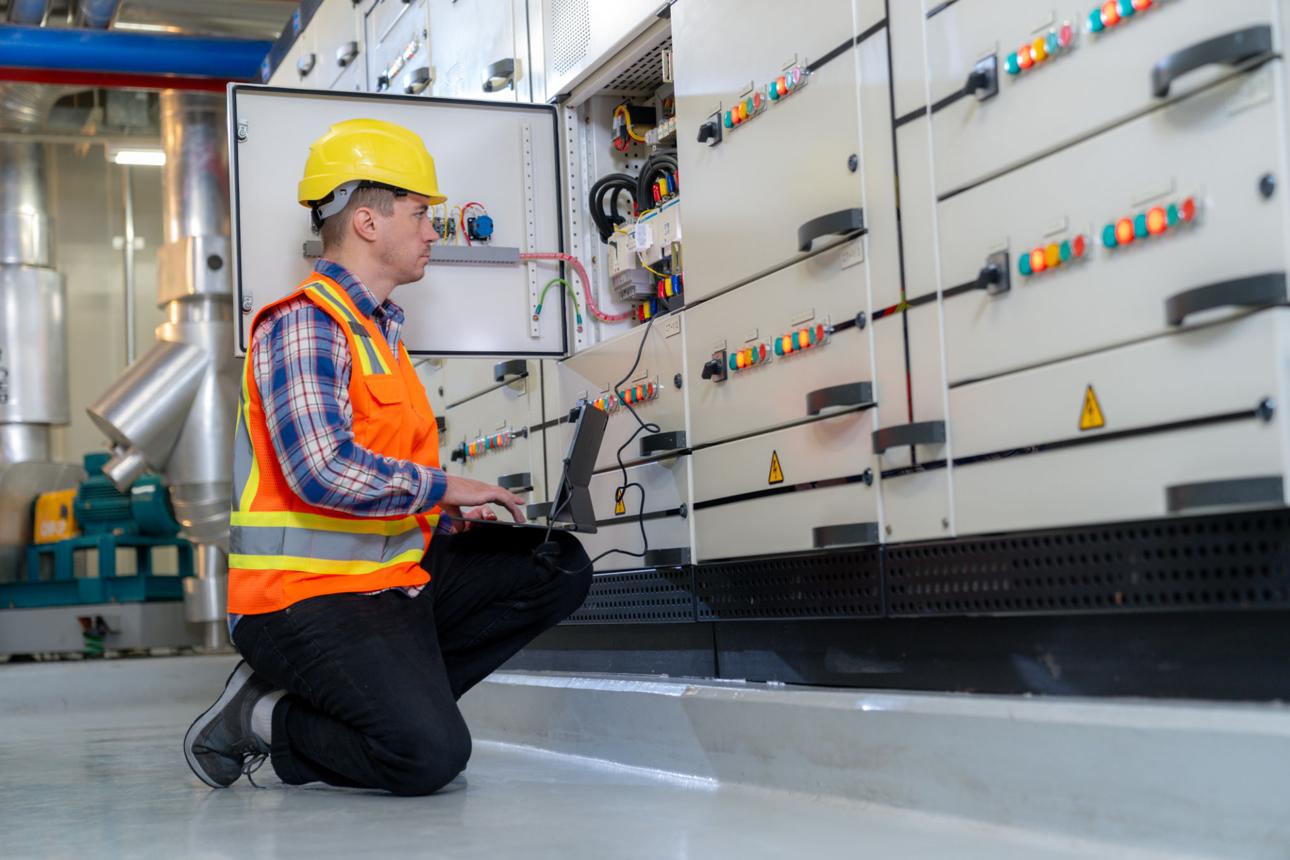
Automation engineers increasingly require knowledge of both PLC programming and robotic communication.
Modern automation projects often involve multiple technologies working together, including:
- PLC control logic
- Robot programming
- Industrial networks
- Safety systems
- Motion control
This integration represents the future direction of industrial automation engineering.
Artificial Intelligence Improves Robotic Manufacturing Applications
Artificial intelligence is creating new opportunities for industrial robotics.
Traditional robots usually operate according to predefined programs.
AI technologies allow robots to become more adaptive and intelligent.
AI applications in robotics include:
Intelligent Vision Systems
AI-based vision technology allows robots to identify objects, inspect products and make decisions.
Adaptive Manufacturing
Robots can adjust operations according to production conditions.
Quality Improvement
AI analysis helps detect manufacturing defects.
Predictive Maintenance
Intelligent systems can monitor robot performance and identify potential issues.
The combination of AI and robotics is helping factories move toward more autonomous manufacturing environments.
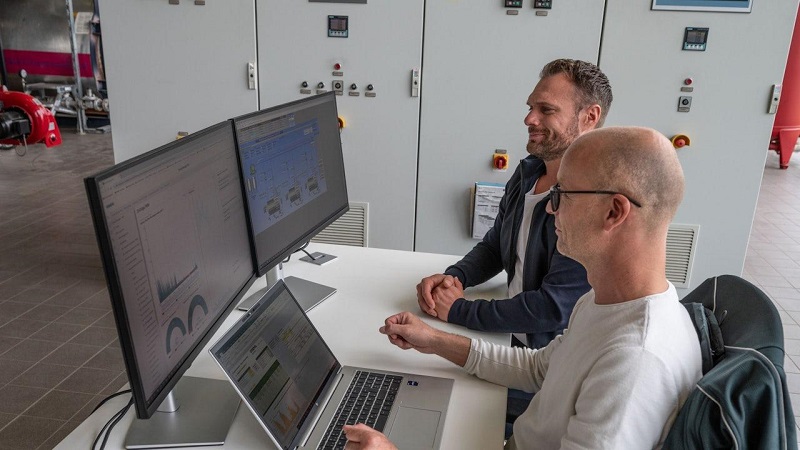
Digital Automation Platforms Improve Production Management
Modern factories require digital platforms that connect automation equipment with production management systems.
Digital automation solutions help companies monitor and optimize:
- Production efficiency
- Equipment performance
- Manufacturing quality
- Maintenance schedules
- Energy consumption
Real-time production data allows manufacturers to understand factory performance more accurately.
For example, engineers can analyze production information to identify equipment problems and improve process efficiency.
Digital platforms also support better cooperation between production teams, engineering departments and management.
Industrial Communication Supports Connected Robotics Systems
Reliable communication is essential for modern robotic automation.
Smart factories require communication between:
- Robots
- PLC systems
- Sensors
- HMIs
- Industrial computers
- Production software
Industrial networks provide the connection needed for efficient automation operation.
Connected robotic systems provide benefits including:
- Faster information exchange
- Improved production monitoring
- Better troubleshooting
- More efficient system management
As factories become more automated, communication technology will continue to play an important role.
Automation Modernization Creates Growth Opportunities for Industrial Components
The expansion of robotics and smart manufacturing continues increasing demand for industrial automation components.
Manufacturers upgrading their facilities require:
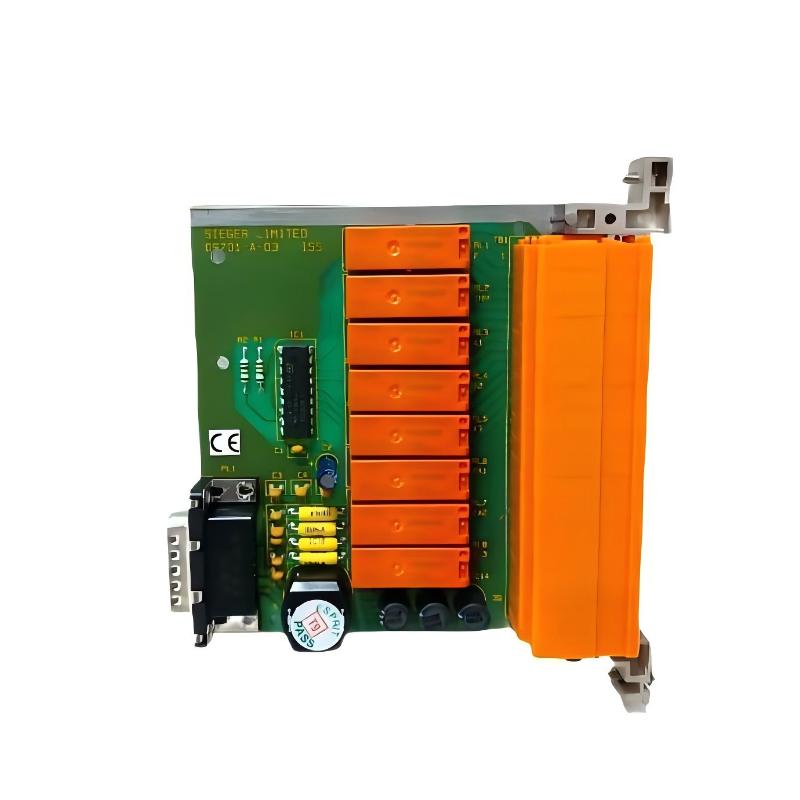
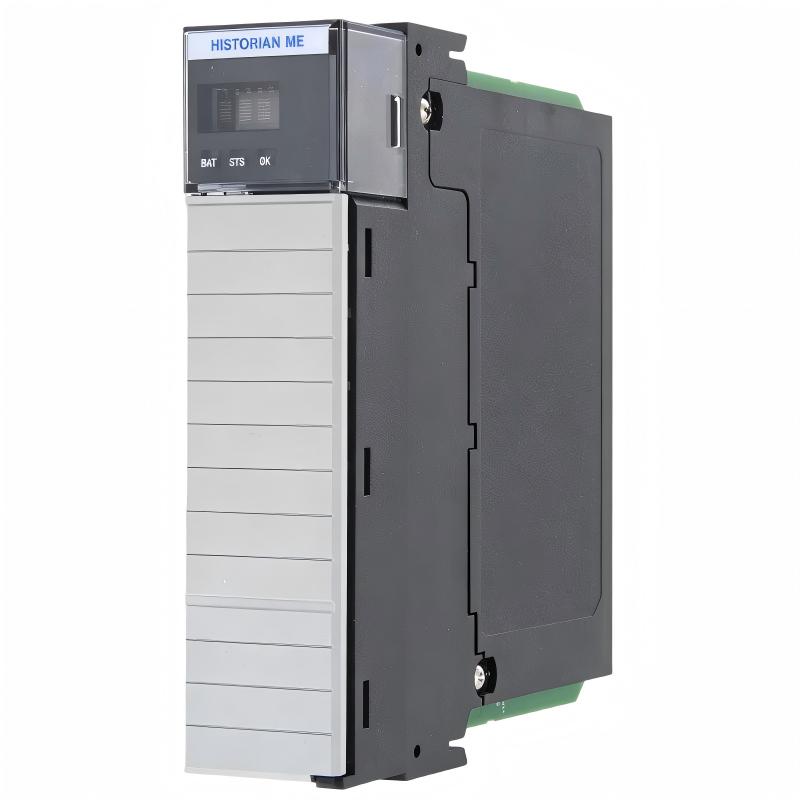
- PLC modules
- Robot controllers
- Communication modules
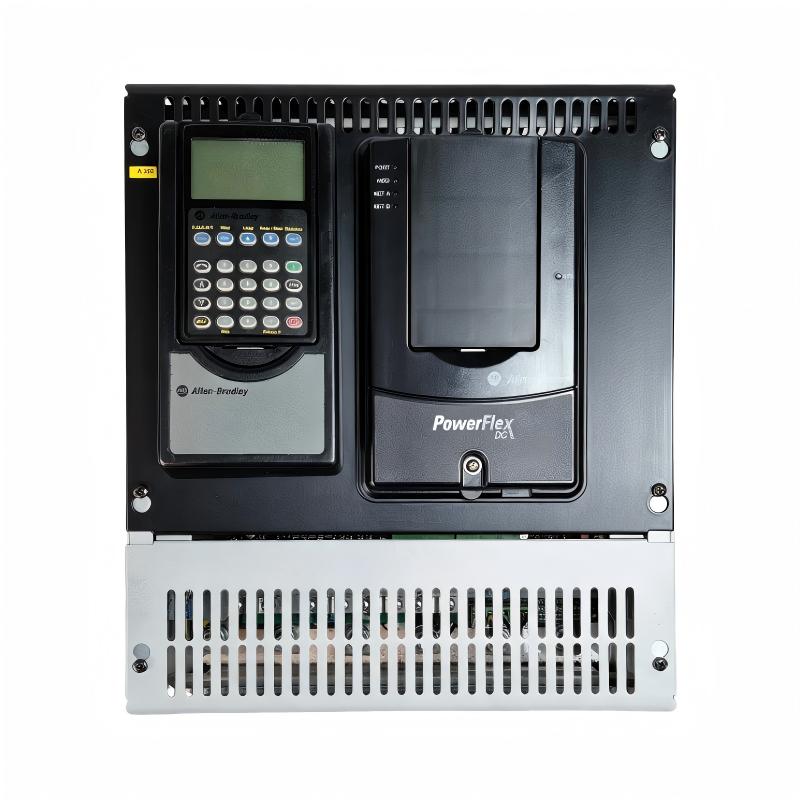
- Servo drives
- Motion control systems
- Industrial sensors
- Safety components
- HMI devices
Many companies choose gradual modernization strategies instead of completely replacing existing production systems.
This creates long-term demand for automation upgrades, replacement components and compatible industrial products.
For global automation suppliers and distributors, supporting factory modernization projects remains a valuable market opportunity.
Safety Automation Becomes More Important in Robotic Production
As industrial robots become more widely used, safety technology has become a critical part of automation design.
Modern robotic systems require:
- Safety controllers
- Emergency protection systems
- Monitoring devices
- Safe communication solutions
Safety automation helps protect workers while allowing companies to maintain efficient production.
The development of collaborative robots and intelligent safety systems is creating new possibilities for human-machine cooperation.
Future factories will increasingly combine human expertise with robotic automation.
Sustainability and Energy Efficiency Drive Automation Development
Industrial companies are focusing more on sustainability and energy efficiency.
Automation technologies help manufacturers optimize resource usage through:
- Intelligent equipment control
- Energy monitoring
- Production optimization
- Reduced material waste
Robotic automation can improve efficiency by reducing production errors and optimizing manufacturing processes.
Digital monitoring systems also help companies understand energy consumption and identify improvement opportunities.
Sustainable automation will continue becoming an important direction for future industrial development.
Future Trends of Robotics and Industrial Automation
The future of industrial automation will continue moving toward more intelligent and flexible systems.
Key trends include:
Artificial Intelligence Integration
AI will improve robotic decision-making and adaptive manufacturing.
Collaborative Robotics
Robots will work more closely with human operators.
Advanced PLC Platforms
Controllers will provide stronger processing and communication capabilities.
Autonomous Manufacturing
Factories will become more capable of self-adjustment.
Digital Twin Applications
Virtual simulation will improve engineering and production optimization.
These trends will continue shaping the future of global manufacturing.
Conclusion
ABB’s continued development in robotics and industrial automation reflects the global transition toward flexible and intelligent manufacturing.
The integration of industrial robots, PLC systems, digital platforms and advanced communication technologies is helping companies build more efficient and adaptable production environments.
As manufacturers worldwide continue investing in smart factory technologies, robotics and automation systems will remain essential components of future industrial development.
For automation engineers, system integrators and industrial equipment suppliers, the growth of intelligent manufacturing creates significant opportunities in global markets.
The future of manufacturing will depend on automation solutions that combine precision control, flexibility, intelligence and sustainability.