Bosch Rexroth Develops Intelligent Motion Control and Factory Automation Solutions for Industry 4.0 Advanced Motion Systems, Industrial Hydraulics, PLC Integration and Digital Technologies Transform Modern Manufacturing
Bosch Rexroth Advances Industrial Automation Through Intelligent Motion and Control Technologies
The global manufacturing industry is entering a new era where intelligent motion control, digital automation and flexible production systems are becoming essential for maintaining competitiveness.
Manufacturers across automotive, machinery, electronics, logistics, packaging and energy industries are increasingly adopting advanced automation technologies to improve productivity, precision and operational flexibility.
Bosch Rexroth continues to develop industrial automation solutions by combining motion control systems, hydraulic technologies, electric drives, PLC integration and digital engineering platforms.
The evolution of modern manufacturing requires automation systems that can provide accurate machine control while also supporting real-time data exchange, intelligent monitoring and flexible production processes.
Traditional industrial equipment was mainly designed for fixed production operations.
However, current manufacturing environments require machines that can quickly adapt to changing product requirements, improve energy efficiency and communicate with higher-level digital systems.
The integration of motion control, automation software and industrial communication technologies is becoming a key foundation for Industry 4.0 manufacturing.
Intelligent Motion Control Becomes Essential for Advanced Manufacturing
Motion control technology plays a critical role in modern industrial automation.
Many manufacturing processes require extremely accurate movement, positioning and synchronization.
Applications include:
- Packaging machines
- Semiconductor equipment
- Automotive production systems
- Material handling equipment
- Printing machinery
- Industrial robots
- Precision assembly systems
Modern motion control solutions provide:
- High positioning accuracy
- Faster machine cycles
- Improved synchronization
- Better energy efficiency
- Advanced diagnostics
By integrating motion systems with PLC controllers, manufacturers can create highly coordinated production environments.
This integration allows machines to perform complex operations with greater speed and accuracy.
PLC and Motion System Integration Improves Machine Performance
Programmable Logic Controllers remain a central technology in industrial automation.
When combined with advanced motion control systems, PLC platforms provide complete machine management capabilities.
PLC systems coordinate:
- Machine sequences
- Servo movement
- Sensor feedback
- Safety functions
- Communication processes
Motion controllers manage:
- Position control
- Speed regulation
- Torque adjustment
- Multi-axis synchronization
The combination of PLC and motion technologies enables manufacturers to build more intelligent and efficient machines.
Automation engineers increasingly focus on complete system integration rather than individual device programming.
Industrial Automation Supports Flexible Manufacturing Requirements
Manufacturing requirements are changing rapidly.
Customers increasingly demand customized products, shorter delivery times and improved production flexibility.
Traditional production lines with fixed configurations cannot always respond quickly to these changes.
Flexible automation solutions help manufacturers:
- Reduce setup time
- Support multiple products
- Improve machine adaptability
- Increase production efficiency
- Reduce manual adjustments
Motion control technologies play an important role in flexible manufacturing.
Machines equipped with intelligent control systems can automatically adjust operating parameters according to different production requirements.
This capability improves manufacturing competitiveness in rapidly changing markets.
Digital Engineering Improves Machine Development Efficiency
Digital technologies are changing how industrial machines are designed and developed.
Modern engineering platforms allow manufacturers to simulate, test and optimize machine behavior before physical production.
Digital engineering supports:
- Virtual machine testing
- Faster commissioning
- Improved design accuracy
- Reduced development costs
- Better production planning
By combining digital engineering with automation technologies, manufacturers can shorten project development cycles.
This approach helps companies create more reliable machines while reducing engineering risks.
Industrial Hydraulics Continue Supporting Heavy Automation Applications
Although electric automation technologies continue expanding, industrial hydraulic systems remain important in many applications.
Hydraulic technologies provide advantages in areas requiring:
- High force output
- Heavy-load movement
- Continuous operation
- Robust performance
Applications include:
- Metal processing equipment
- Construction machinery
- Industrial presses
- Energy systems
Modern hydraulic solutions are becoming more intelligent through integration with sensors, controllers and digital monitoring systems.
This allows manufacturers to improve hydraulic system efficiency and operational control.
Industrial Communication Connects Automation Systems
Modern factories depend on reliable communication between different automation components.
Industrial communication networks connect:
- PLC controllers
- Motion systems
- Sensors
- Drives
- HMIs
- Industrial software platforms
Connected automation systems provide:
- Real-time equipment information
- Faster troubleshooting
- Improved production monitoring
- Better system coordination
As factories become more digital, communication technology continues becoming a fundamental part of automation design.
Energy Efficiency Drives Development of Modern Automation
Energy efficiency has become an important goal for industrial companies.
Manufacturers are looking for ways to reduce energy consumption while maintaining high production performance.
Automation technologies support energy optimization through:
- Intelligent motor control
- Efficient machine operation
- Real-time monitoring
- Automated adjustment
Motion systems can reduce energy waste by optimizing movement profiles and improving machine efficiency.
Digital monitoring also helps companies identify equipment that consumes excessive energy.
Sustainable automation will continue influencing future industrial technology development.
Predictive Maintenance Improves Equipment Reliability
Modern automation systems provide valuable operational information that supports predictive maintenance.
Traditional maintenance often depended on fixed schedules.
However, intelligent automation allows companies to analyze equipment conditions continuously.
Monitoring systems can evaluate:
- Motor performance
- Drive conditions
- Machine cycles
- Operating temperatures
- Mechanical performance
Predictive maintenance helps manufacturers:
- Reduce unexpected downtime
- Improve equipment availability
- Lower maintenance costs
- Extend machine lifespan
This approach is becoming increasingly important in modern manufacturing.
Industrial Automation Market Creates New Opportunities
The expansion of Industry 4.0 technologies continues increasing demand for automation components.
Manufacturers require:
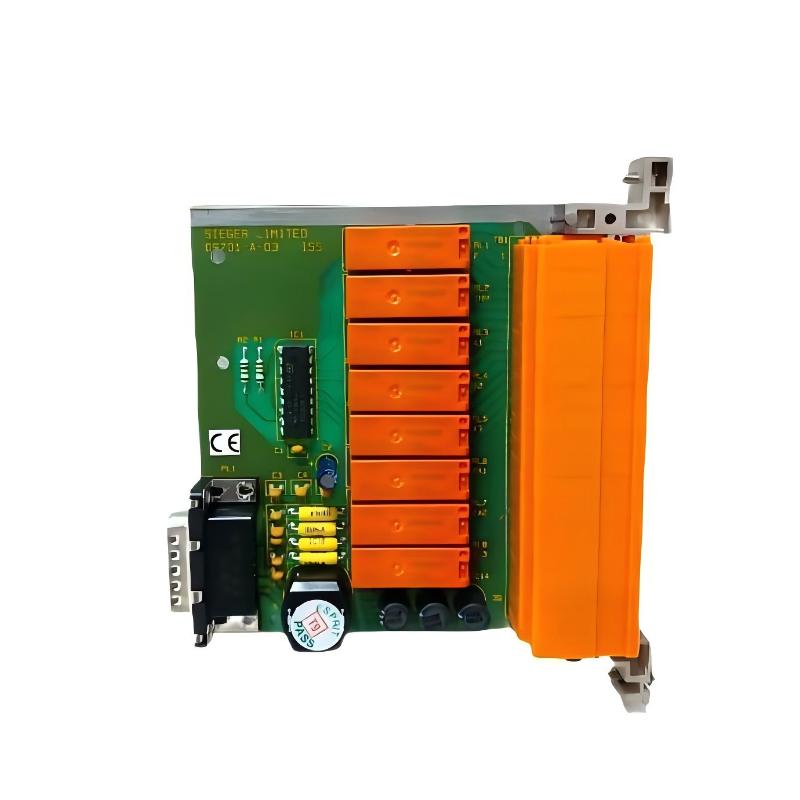
- PLC modules
- Servo drives
- Motion controllers
- Industrial communication modules
- Hydraulic control components
- Sensors
- HMI systems
- Industrial computers
Many companies upgrade existing equipment gradually rather than replacing complete production systems.
This creates continuous demand for automation upgrades, replacement parts and expansion solutions.
For global industrial suppliers, smart manufacturing development creates significant market opportunities.
Artificial Intelligence Enhances Future Automation Systems
Artificial intelligence is creating new possibilities for industrial automation.
AI technologies can analyze machine data and improve automation performance.
Applications include:
Intelligent Process Optimization
AI can recommend better machine operating conditions.
Equipment Health Analysis
AI can detect abnormal machine behavior.
Automated Quality Improvement
AI can support advanced inspection processes.
Production Planning Optimization
AI can improve manufacturing efficiency.
The combination of AI, motion control and automation systems will continue transforming industrial production.
Future Trends in Motion Control and Factory Automation
The future of industrial automation will continue moving toward intelligent and flexible systems.
Important trends include:
Advanced Servo Technologies
More precise and efficient motion systems will support high-performance machines.
AI-Based Machine Optimization
Artificial intelligence will improve automation decisions.
Digital Twin Applications
Virtual models will support machine development.
Greater Human-Machine Collaboration
Automation systems will work closer with operators.
Sustainable Machine Design
Energy-efficient technologies will become increasingly important.