Honeywell Introduces New Industrial Automation Strategies with Advanced Process Control and Digital Operations Intelligent DCS Platforms, Process Optimization and Industrial Digitalization Technologies Transform Modern Manufacturing
Honeywell Strengthens Process Automation Development Through Digital Industrial Technologies
The global process automation industry is experiencing rapid transformation as companies continue adopting advanced control systems, digital technologies and intelligent operational solutions.
Industries including oil and gas, chemical processing, pharmaceuticals, power generation and manufacturing are facing increasing challenges related to efficiency, safety, sustainability and operational complexity.
Modern industrial facilities require automation systems that can provide reliable process control while also delivering deeper operational insights.
Honeywell continues advancing industrial automation technologies through distributed control systems (DCS), process control solutions, industrial software platforms and digital operation technologies.
The development of intelligent automation reflects a broader industry trend: traditional control systems are evolving into integrated digital platforms that combine control, data analysis and operational optimization.
Today’s manufacturers and process industries require automation solutions capable of:
- Maintaining stable production processes
- Improving equipment reliability
- Optimizing energy consumption
- Supporting predictive maintenance
- Providing real-time operational information
Advanced process automation is becoming a key factor in improving industrial competitiveness.
Distributed Control Systems Remain the Foundation of Process Industries
Distributed Control Systems continue to play a critical role in large-scale industrial operations.
Unlike simple machine automation systems, DCS platforms are designed for complex continuous processes that require thousands of control points and high levels of operational reliability.
DCS systems are widely used in:
- Oil and gas facilities
- Chemical plants
- Power stations
- Pharmaceutical production
- Water treatment facilities
- Large manufacturing operations
Modern DCS platforms provide:
- Process monitoring
- Automated control
- Alarm management
- Data acquisition
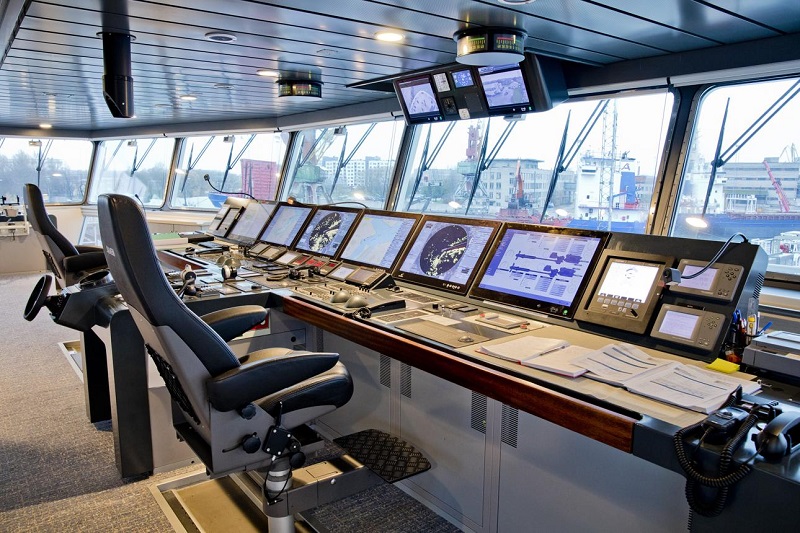
- Operator interfaces
- Equipment diagnostics
These capabilities allow operators to maintain stable production while responding quickly to changing process conditions.
As industrial processes become more complex, advanced DCS technologies continue evolving to support smarter and more efficient operations.
Advanced Process Control Improves Industrial Efficiency
Process optimization has become a major focus for industrial companies.
Traditional control methods often maintain stable operation but may not fully optimize production performance.
Advanced process control technologies use data analysis and intelligent algorithms to improve industrial operations.
Benefits include:
- Improved production efficiency
- Reduced energy consumption
- Better product quality
- More stable processes
- Lower operational costs
Industries with complex production requirements can use advanced control strategies to adjust operating conditions automatically.
For example, chemical and energy companies can optimize process parameters to achieve higher efficiency while maintaining safety standards.
Industrial Digitalization Connects Automation and Business Operations
Digital transformation is changing how industrial companies manage production.
Modern automation systems generate large amounts of information from:
- Sensors
- Control systems
- Field devices
- Production equipment
- Energy systems
Digital platforms help companies transform this information into useful operational knowledge.
Industrial digitalization supports:
- Production analysis
- Asset management
- Performance monitoring
- Maintenance optimization
- Energy management
By connecting automation systems with digital platforms, companies gain better visibility into their operations.
This allows management teams and engineers to make faster and more accurate decisions.
Predictive Maintenance Reduces Industrial Downtime
Equipment reliability is a major concern for process industries.
Unexpected failures can result in production losses, safety risks and increased maintenance costs.
Predictive maintenance technologies help companies monitor equipment conditions and identify potential issues before failures occur.
Industrial data analysis can monitor:
- Equipment vibration
- Temperature changes
- Operating performance
- Process abnormalities
- Energy consumption
Benefits include:
- Reduced downtime
- Improved equipment availability
- Better maintenance planning
- Longer equipment lifespan
The combination of automation systems and analytics is changing traditional maintenance strategies.
Industrial Cybersecurity Becomes a Core Requirement
As industrial automation systems become increasingly connected, cybersecurity has become an essential consideration.
Modern process industries often connect automation environments with:
- Enterprise systems
- Remote monitoring platforms
- Digital applications
- Cloud-based solutions
This connectivity improves efficiency but also increases security requirements.
Industrial cybersecurity strategies include:
- Network protection
- Secure communication
- User access management
- System monitoring
- Data protection
Future automation systems must provide both intelligent functionality and strong security.
Energy Optimization Supports Sustainable Industrial Operations
Energy efficiency has become a strategic priority for industrial companies.
Automation technologies help organizations monitor and optimize energy usage.
Industrial energy management solutions support:
- Real-time energy monitoring
- Equipment efficiency analysis
- Process optimization
- Resource management
By improving control strategies, companies can reduce unnecessary energy consumption.
Sustainable automation is becoming increasingly important as industries focus on reducing operational costs and environmental impact.
Industrial Communication Improves Automation Integration
Modern process automation requires reliable communication between multiple systems.
Industrial networks connect:
- DCS platforms
- PLC systems
- Sensors
- Field instruments
- Industrial computers
Reliable communication enables:
- Faster data exchange
- Better system coordination
- Improved troubleshooting
- Enhanced monitoring
As automation systems become more intelligent, communication infrastructure will continue playing an essential role.
Demand for Industrial Automation Equipment Continues Growing
The modernization of industrial facilities is creating increasing demand for automation components.
Companies upgrading their systems require:
- DCS modules
- PLC processors
- Communication interfaces
- Industrial controllers
- Remote I/O modules
- HMI systems
- Process instrumentation
Many industries choose phased modernization strategies.
Instead of replacing complete automation infrastructures, companies upgrade individual systems and components.
This creates long-term demand for automation replacement parts and expansion equipment.
Future Trends of Process Automation Development
The future of industrial automation will focus on intelligence, integration and sustainability.
Major trends include:
Artificial Intelligence in Process Control
AI technologies will improve optimization and decision-making.
Digital Twin Applications
Virtual models will support engineering and operational improvements.
Cloud and Edge Integration
Industrial data processing will become more flexible.
Autonomous Operations
Automation systems will become more capable of self-adjustment.
Sustainable Industrial Control
Energy efficiency will become a key automation objective.