ABB Selected to Modernize Pelican Point Power Station DCS in Australia
Distributed Control System Upgrade Supports Long-Term Reliability and Digital Modernization of Power Generation
ABB has been selected by Engie Australia to modernize the distributed control system at the Pelican Point Power Station in South Australia.
The project is an important example of how established power-generation facilities are upgrading automation infrastructure rather than replacing entire plants.
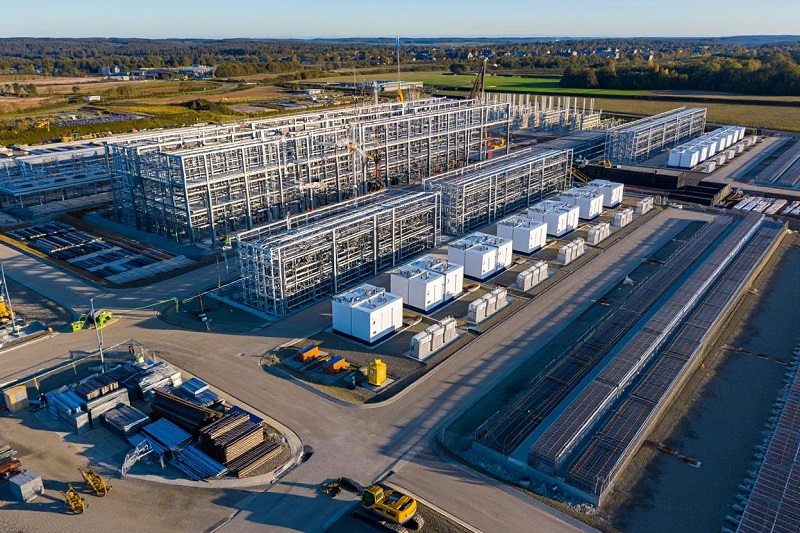
Pelican Point Power Station is a major gas-fired power station near Adelaide and plays an important role in South Australia's electricity system.
The DCS modernization project demonstrates a broader trend across the power and process industries.
Many industrial facilities have control systems that have been operating for years or even decades.
These systems can continue to provide reliable process control, but aging hardware, software and communication technologies can make maintenance more difficult.
DCS modernization provides an opportunity to improve reliability, lifecycle support and digital capabilities while maintaining the existing industrial process infrastructure.
Why DCS Modernization Matters
Power generation facilities depend heavily on reliable control systems.
A DCS can monitor and control:
- Turbines
- Boilers
- Generators
- Pumps
- Valves
- Cooling systems
- Auxiliary equipment
The control system must continuously monitor process conditions and respond to changes.
A failure in the control architecture can affect plant availability and potentially disrupt electricity generation.
For this reason, DCS modernization is an important part of long-term asset management.
Replacing the Control System Without Replacing the Plant
One of the major advantages of DCS modernization is that operators can upgrade the control architecture while retaining much of the existing physical plant.
Replacing a complete power station would be extremely expensive and disruptive.
A control-system modernization project can instead focus on:
- Controllers
- Operator stations
- Engineering systems
- Communication infrastructure
- Software
- Human-machine interfaces
This approach can extend the operational life of existing industrial assets.
DCS Technology Continues to Evolve
Modern DCS platforms provide capabilities that go beyond traditional process control.
Newer systems can provide:
- Advanced diagnostics
- Improved operator interfaces
- Better data access
- Enhanced cybersecurity
- Digital integration
These capabilities allow operators to obtain more information from existing equipment.
For a power plant, improved visibility can help engineers understand plant performance and identify potential problems earlier.
Industrial Data Supports Predictive Maintenance
Modern DCS platforms generate large quantities of operational data.
This information can be used for predictive maintenance.
Engineers can analyze:
- Temperature
- Pressure
- Vibration
- Equipment runtime
- Process conditions
Abnormal patterns may indicate developing equipment problems.
Maintenance teams can then investigate before a failure affects production.
Predictive maintenance is particularly valuable for large industrial facilities because unexpected shutdowns can have significant economic consequences.
Power Generation Requires High Automation Reliability
Power stations operate under demanding conditions.
Control systems must provide reliable operation over long periods.
Automation equipment must withstand:
- Continuous operation
- Temperature changes
- Electrical disturbances
- High equipment utilization
This makes industrial control-system lifecycle management extremely important.
Modernization projects can reduce the risk associated with obsolete hardware and unsupported systems.
Cybersecurity Is Increasingly Important for Power Plants
Power generation infrastructure is part of critical infrastructure.
As power plants become increasingly connected, cybersecurity requirements are becoming more important.
Modern DCS architectures must protect:
- Controllers
- Operator stations
- Engineering workstations
- Industrial networks
- Remote access systems
Cybersecurity measures can include:
- Network segmentation
- Access control
- Secure communication
- System monitoring
- Controlled remote access
DCS modernization therefore provides an opportunity to improve both operational reliability and cybersecurity.
The Role of Industrial Networking
Modern power plant automation systems depend on reliable communication.
DCS controllers must exchange information with:
- Field devices
- Protection systems
- Electrical equipment
- HMIs
- Engineering stations
Industrial networking provides the communication infrastructure required for this integration.
Reliable communication is essential because operators need real-time information about plant conditions.
Energy Transition Increases the Importance of Flexible Power Generation
The global power sector is changing rapidly.
Renewable energy sources such as solar and wind are increasing their contribution to electricity generation.
This creates new requirements for conventional power plants.
Gas-fired generation can provide flexibility when renewable output changes.
Power plants therefore need reliable automation systems capable of supporting changing operating conditions.
Modern DCS platforms can help operators monitor and control these dynamic operating requirements.
DCS Modernization Creates Opportunities for Industrial Suppliers
Large-scale modernization projects create demand for a broad range of automation equipment.
Industrial facilities may require:
- DCS controllers
- I/O modules
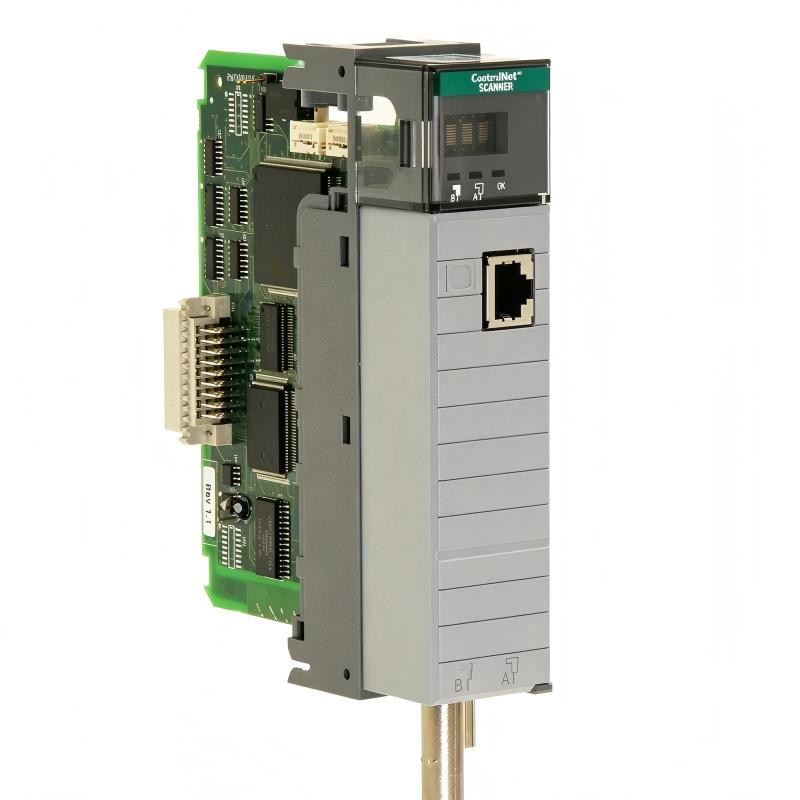
- Communication modules
- HMI systems
- Industrial computers
- Network equipment
- Power supplies
- Engineering workstations
The replacement market is especially important because many industrial facilities continue operating legacy systems.
Automation suppliers can support these projects by providing compatible replacement and modernization components.
PLC and DCS Technologies Can Work Together
Power plants and process facilities often contain both DCS and PLC systems.
A DCS may control the primary process.
PLC systems may control auxiliary equipment or packaged systems.
Examples include:
- Water treatment
- Fuel handling
- HVAC
- Material handling
- Auxiliary machinery
Integration between PLC and DCS platforms is therefore an important part of modern industrial control architecture.
Digital Transformation of Existing Plants
DCS modernization is increasingly connected with wider digital transformation.
After upgrading control hardware and software, operators can potentially introduce:
- Advanced analytics
- Digital dashboards
- Remote monitoring
- Predictive maintenance
- Energy optimization
This allows an existing industrial facility to gain digital capabilities without completely rebuilding the plant.
Future of Power Plant Automation
Future power plant automation systems are expected to combine:
- DCS control
- Industrial AI
- Predictive analytics
- Cybersecurity
- Edge computing
- Advanced instrumentation
The objective is to make power generation more reliable, efficient and flexible.
Modern control systems will increasingly support operators with data-driven information rather than simply displaying process values.