Allen-Bradley 2085-OV16 Micro800 Sink Output Module Installation Guide (Wiring & Commissioning)
Allen-Bradley 2085-OV16 Micro800 16-point sink output module installation problems are usually caused by incorrect DC load wiring, reversed polarity, missing field power reference, incompatible actuator requirements, or incorrect controller configuration rather than a failed output module. In industrial control systems, sink outputs depend on the relationship between the module output terminal and the field device power supply, so a wiring mistake can make a healthy module appear defective.
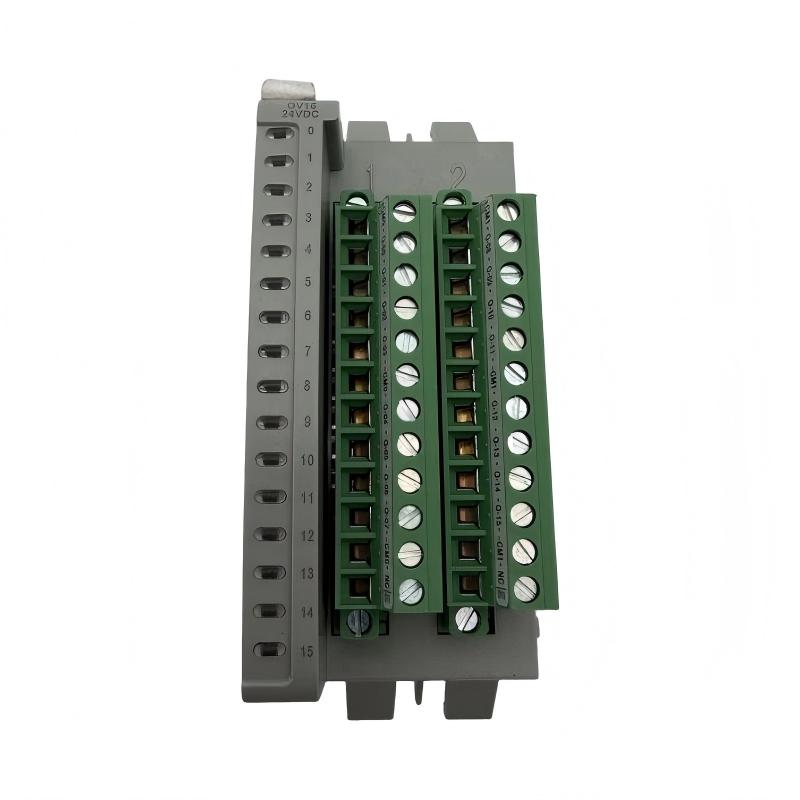
The Allen-Bradley 2085-OV16 Micro800 16-point Sink Output Module provides additional DC transistor output channels for Micro800 controllers. It is designed for applications requiring fast and reliable switching of DC loads such as solenoid valves, indicator lamps, relays, and interface devices.
Allen-Bradley 2085-OV16 Micro800 Sink Output Module Application Overview
The 2085-OV16 expands the digital output capability of a Micro800 PLC system by providing multiple sinking output channels.
A typical control structure:
Micro800 PLC Controller
          |
          |
2085-OV16 Sink Output Module
          |
          |
DC Field Devices
          |
          |
Machine Actuators
Typical applications:
- Automated assembly equipment
- Packaging machines
- Conveyor systems
- Pneumatic control systems
- Material handling equipment
- Small industrial machines
Common connected devices:
- 24 VDC solenoid valves
- DC relays
- Signal indicators
- Interface modules
- Low-power actuators
A sink output module controls the negative side of a DC circuit.
Typical wiring concept:
+24VDC
  |
  |
Field Load
  |
  |
2085-OV16 Output Channel
  |
  |
0VDC
Correct polarity is essential.
If the field device is wired incorrectly, the PLC output command may be active while the actuator remains inactive.
Allen-Bradley 2085-OV16 Installation Preparation and DC System Planning
Before installing the module, engineers should confirm the complete DC output circuit.
Preparation requirements:
- Verify Micro800 controller compatibility
- Confirm output channel assignment
- Check load voltage
- Verify load current
- Confirm sinking output requirements
- Prepare field wiring drawings
Installation inspection:
| Inspection Item | Engineering Check |
|---|---|
| Output type | Confirm sink transistor output |
| Load voltage | Match field device rating |
| Polarity | Verify positive and negative connection |
| Current demand | Within output specification |
| Wiring | Correct terminal assignment |
| Protection | Suitable for inductive loads |
A common mistake is replacing a relay output module with a transistor sink output module without reviewing the field wiring.
Relay outputs and transistor outputs have different electrical characteristics.
Allen-Bradley 2085-OV16 Sink Output Module Wiring Installation
Correct wiring is the most important part of commissioning a sink output module.
Allen-Bradley 2085-OV16 Field Wiring Verification
Engineers should check:
- 24 VDC supply connection
- Load positive terminal
- Output channel terminal
- Common reference connection
Incorrect polarity can result in:
- No actuator movement
- False troubleshooting results
- Unnecessary module replacement
Allen-Bradley 2085-OV16 Inductive Load Protection Check
Many Micro800 output applications use inductive loads.
Examples:
- Solenoid valves
- DC relays
- Contactors
When these devices switch OFF, they generate voltage spikes.
Field inspection should include:
- Suppression components
- Load condition
- Wiring length
- Switching frequency
During one machine installation, engineers used a 2085-OV16 to control pneumatic valves.
Initial commissioning:
- PLC output command: Normal
- Output LED: Active
- Valve: No response
Testing showed:
- Module output voltage: Correct
- Valve coil resistance: Normal
Further inspection found:
- The valve positive terminal was connected to 0V instead of +24VDC.
After correcting polarity:
- All valves operated correctly
- Machine sequence completed normally
The problem was a wiring error, not an output module failure.
Allen-Bradley 2085-OV16 Micro800 Hardware Configuration and Setup
After wiring, the Micro800 project must correctly identify the expansion module.
Configuration checks:
- Module recognition
- Output addressing
- Channel assignment
- Controller communication
- Program logic
A practical diagnostic sequence:
PLC Program Output
        ↓
2085-OV16 Channel Status
        ↓
DC Circuit Voltage
        ↓
Field Device Operation
If the PLC output bit changes but the actuator does not respond, the fault should be traced through the electrical path.
Allen-Bradley 2085-OV16 Setup and Commissioning Procedure
Commissioning should begin with individual channel testing.
Recommended approach:
Channel Verification
Test:
- Output activation
- Output release
- Load response
Example:
Output 0 → Valve Test
Output 1 → Indicator Test
Output 2 → Relay Test
...
Output 15 → Final Device Test
Record:
- Channel number
- Connected device
- Normal operating condition
This information simplifies future troubleshooting.
Allen-Bradley 2085-OV16 Commissioning Validation and Performance Testing
Final testing should include actual machine operation.
Verify:
- Startup sequence
- Output timing
- Actuator response
- Continuous switching performance
In one production line upgrade, a 2085-OV16 controlled multiple pneumatic cylinders.
Initial test:
- Individual outputs worked
- Full automatic cycle failed
Engineers monitored the output timing.
Finding:
- One valve required a longer response time than expected
- PLC sequence timing was too short
After adjusting the machine sequence:
- Cylinder operation became stable
- Production cycle completed normally
The issue was application timing rather than module performance.