ABB Modernizes Cernavodă Nuclear Power Plant Control Systems to Support 30 More Years of Operation
ABB has secured a major automation modernization contract for Unit 1 of Romania's Cernavodă Nuclear Power Plant, marking another significant example of how aging industrial control infrastructure is being upgraded to support long-term operation.
The project will modernize the plant's control and safety systems using ABB Ability System 800xA distributed control technology. The modernization is expected to support an additional 30 years of operation for Unit 1 while improving reliability, safety, cybersecurity, and long-term maintainability.
For the industrial automation industry, the project is particularly important because nuclear power plants represent one of the most demanding environments for control-system modernization. Unlike a conventional manufacturing facility, a nuclear plant cannot simply stop production for an extended period and replace its entire automation architecture. Modernization therefore requires carefully planned integration between new digital control technologies and existing plant infrastructure.
A Major Control System Modernization Project
The Cernavodă Nuclear Power Plant is located approximately 165 kilometers east of Bucharest and is operated by Societatea Națională Nuclearelectrica.
The facility operates two CANDU-6 nuclear units. Unit 1 entered service in 1996, while Unit 2 began operation in 2007.
ABB's new contract focuses on Unit 1, whose operating life is being extended. The modernization program is intended to provide the control and safety infrastructure required for continued operation over the coming decades.
The plant currently contributes approximately 18% to 20% of Romania's total electricity generation, making its availability strategically important to the country's power system.
The project is being delivered for EPC contractor Ansaldo Nucleare.
System 800xA at the Center of the Modernization
The most important automation technology in the project is ABB Ability System 800xA.
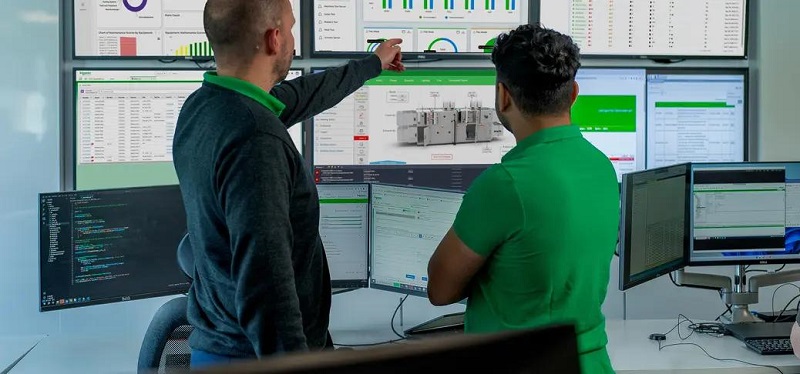
System 800xA is a distributed control system designed to integrate process control, operator interfaces, engineering functions, information management, and other automation capabilities within a common architecture.
For a nuclear power plant modernization, this type of architecture can provide an important advantage.
Instead of treating individual control functions as isolated systems, the modernization can create a more centralized and coordinated automation environment.
ABB's scope for the Cernavodă project includes the distributed control system, emergency shutdown functions applicable to Category B and C functions, cybersecurity solutions, engineering, and testing.
The project also includes Category A functions for standby diesel generators using conventional hardwired equipment.
This combination demonstrates an important principle in safety-critical automation: digital modernization does not necessarily mean eliminating conventional hardware.
Instead, different layers of technology can be combined according to the safety requirements of each function.
Why Nuclear Automation Modernization Is Different
Replacing an industrial PLC or DCS in a normal factory is already a complex engineering task.
Replacing control infrastructure at a nuclear facility is significantly more demanding.
The system must be designed around stringent safety requirements, validated engineering processes, extensive testing, documentation, redundancy, cybersecurity, and regulatory considerations.
Every modification needs to be carefully evaluated.
A control system cannot simply be upgraded because newer hardware is faster.
The engineering team must demonstrate that the new architecture performs the required functions correctly and reliably.
This makes lifecycle management extremely important.
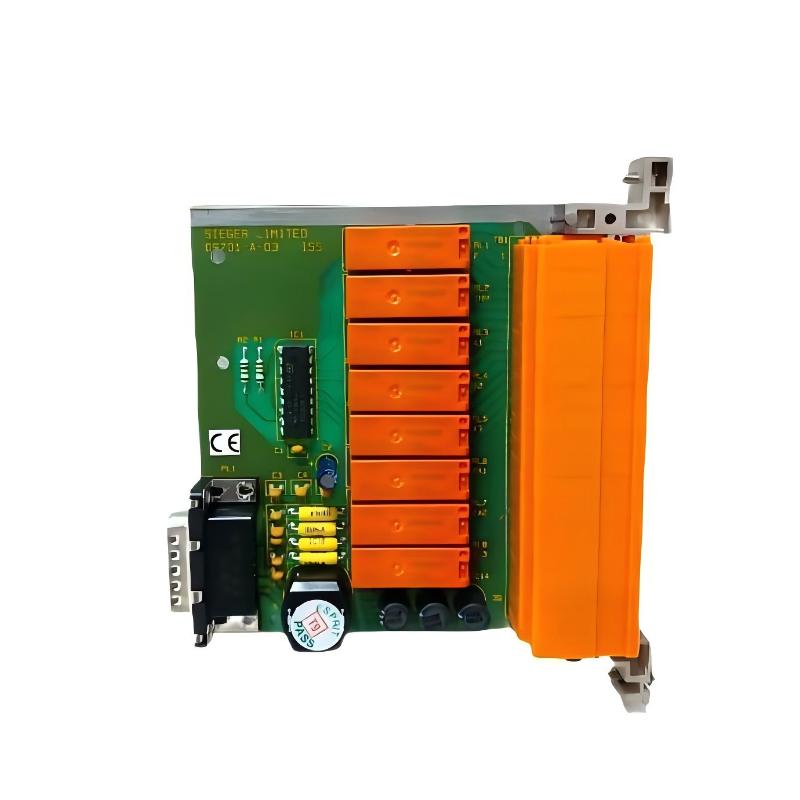
A plant that has been operating for several decades may face challenges such as obsolete controllers, discontinued I/O modules, aging communication networks, unavailable spare parts, outdated engineering workstations, and limited support for legacy software.
Eventually, maintaining the old system can become more difficult than modernizing it.
Extending the Value of Existing Infrastructure
One of the biggest advantages of a modernization project is that the plant does not need to start from zero.
Existing mechanical systems, turbines, generators, instrumentation, electrical equipment, buildings, piping, and other infrastructure can continue to provide value.
The automation layer can be progressively upgraded around those assets.
This approach is increasingly common throughout the process industries.
Oil and gas plants, chemical facilities, power stations, water treatment plants, steel mills, and mining operations often have physical equipment that can remain operational for decades.
The challenge is keeping the digital control layer compatible with that equipment.
Modern DCS platforms provide a path to achieve this.
Cybersecurity Becomes Part of Control-System Modernization
Cybersecurity is another major reason for upgrading aging automation systems.
Legacy control environments were often designed when industrial networks were relatively isolated.
Today's industrial facilities are considerably more connected.
Control systems exchange information with engineering networks, historians, enterprise systems, remote-support infrastructure, and other digital platforms.
This connectivity creates operational benefits but also introduces additional security requirements.
ABB's Cernavodă project includes cybersecurity solutions as part of the modernization scope.
This is significant because cybersecurity is being treated as part of the control-system architecture rather than as an independent IT project.
For modern nuclear and critical infrastructure operators, this approach is increasingly necessary.
Cybersecurity must be considered during system design, engineering, testing, commissioning, and long-term maintenance.
Safety and Cybersecurity Must Work Together
A modern industrial control system must address two different but related risks.
The first is functional safety.
The system needs to ensure that equipment behaves correctly under normal and abnormal operating conditions.
The second is cybersecurity.
The system must prevent unauthorized access or manipulation from compromising control functions.
These objectives can sometimes create competing requirements.
For example, greater connectivity can improve monitoring and maintenance but also increases the number of communication paths that need to be protected.
A modern control architecture therefore needs clear separation between critical functions and less critical digital services.
This is particularly important in nuclear environments.
The Role of Engineering and Testing
ABB's scope includes engineering and testing, highlighting another important part of large-scale control modernization.
Hardware installation is only one component of a DCS replacement.
Engineers must also migrate control logic, configure operator displays, verify alarms, validate I/O, test communication, check interlocks, confirm sequence behavior, and conduct extensive system-level testing.
In a safety-critical facility, these activities become even more rigorous.
Testing is particularly important when modern controllers must interact with legacy field equipment.
Engineers need to verify not only that the new controller works correctly but also that the entire process behaves as expected.
What This Means for Industrial Automation Suppliers
The Cernavodă modernization project illustrates a major long-term opportunity for automation suppliers.
The installed base of industrial control equipment is aging worldwide.
Many plants are still using PLC, DCS, SCADA, HMI, and I/O systems that were installed decades ago.
Some systems remain reliable, but spare-part availability and software support can become increasingly difficult.
Modernization projects therefore represent an important market for PLCs, controllers, I/O modules, communication processors, industrial computers, operator stations, network equipment, and cybersecurity products.
The key requirement is compatibility.
Industrial customers generally do not want a modernization project to create unnecessary disruption.
They need a controlled migration path.
Why Lifecycle Support Matters
A modern automation system should not only be evaluated by its processing performance.
Lifecycle support is equally important.
A power plant may need to operate for decades.
The automation platform therefore needs long-term product availability, engineering support, cybersecurity updates, spare parts, and upgrade paths.
This is particularly relevant when selecting industrial controllers and DCS platforms.
The cheapest initial hardware is not necessarily the lowest-cost solution over a 20- or 30-year operational period.
Long-term availability can become a major factor in total cost of ownership.
A Broader Trend Across Critical Infrastructure
The Cernavodă project reflects a broader trend in critical infrastructure.
Power generation assets are becoming older while demand for reliable electricity continues to grow.
At the same time, digital technologies are becoming more important for monitoring, control, maintenance, and cybersecurity.
The result is a growing need to modernize automation without unnecessarily replacing valuable physical infrastructure.
This model can be applied to nuclear power, conventional power generation, water infrastructure, transportation, oil and gas, and other critical industries.