ABB and BCG Highlight Hybrid AC/DC Power as a New Direction for Industrial Electrical Infrastructure
ABB and Boston Consulting Group are highlighting the growing role of direct-current technology in future electrical infrastructure, arguing that hybrid AC/DC systems could become increasingly important as electrification, renewable energy and artificial intelligence expand.
The companies published a new report on September 9, 2026, examining how electrical architectures could evolve as more energy sources and loads operate naturally on DC power.
For industrial automation, the topic is highly relevant.
Modern automation systems already contain a significant amount of DC equipment. PLCs, industrial computers, sensors, control electronics, communication devices and many other components ultimately depend on DC power.
At the same time, industrial facilities continue to rely heavily on AC distribution.
The emerging discussion is therefore not about replacing AC completely. Instead, it is about determining where AC and DC can work together most efficiently.
AC Remains Fundamental to Industrial Power Systems
Alternating current remains the dominant architecture for large-scale electrical transmission and distribution.
Industrial facilities use AC power for motors, transformers and many types of electrical equipment.
Replacing the existing AC infrastructure entirely would not be practical.
ABB and BCG instead describe a hybrid model in which AC and DC systems perform complementary roles.
This distinction is important because industrial facilities contain a mixture of electrical loads.
Large motors may continue to require AC power, while control electronics, batteries, solar systems and many digital devices operate internally on DC.
A hybrid architecture could therefore allow each type of electrical system to be used where it is most appropriate.
Why DC Is Gaining Attention Again
Direct current is not a new technology.
The reason interest is increasing again is that several of today's fastest-growing technologies naturally operate with DC electricity.
Solar photovoltaic systems produce DC power.
Battery storage systems store DC power.
Electric vehicles use batteries and power electronics based around DC.
Many data center systems also contain significant DC conversion stages.
Industrial automation equipment likewise relies heavily on DC internally.
Every conversion between AC and DC introduces additional equipment and associated losses.
Reducing unnecessary conversion steps can therefore improve electrical efficiency in suitable applications.
Industrial Automation Already Uses DC Internally
The relevance to industrial automation is particularly clear.
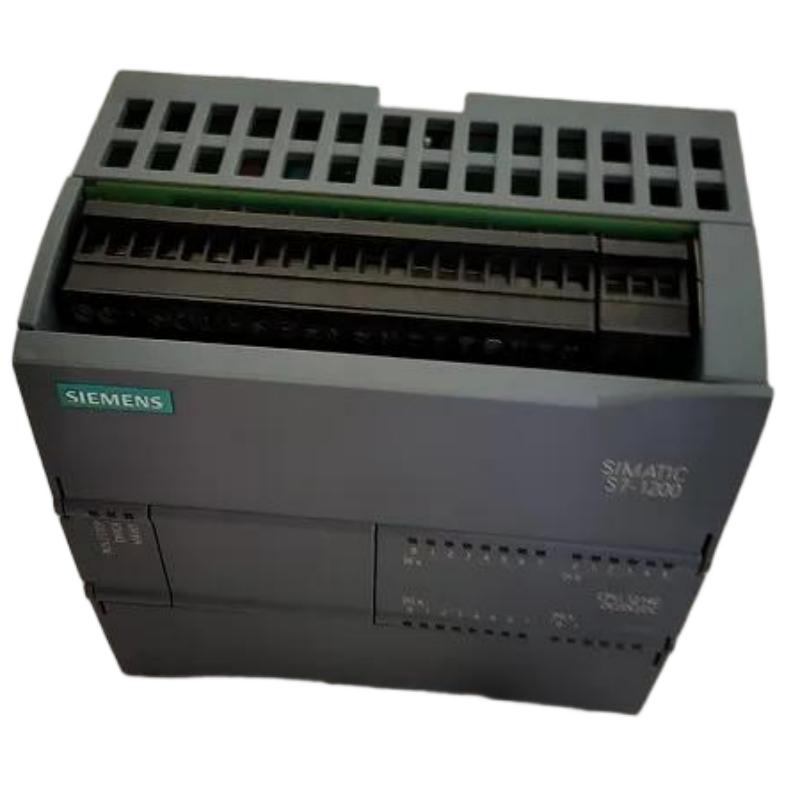
A modern PLC system typically uses a DC power supply.
Industrial sensors commonly operate from 24 V DC.
Communication equipment may use DC power.
Industrial PCs, embedded controllers and many electronic devices also depend on DC.
A typical automation cabinet may therefore receive AC power and convert it into DC for a large portion of the control system.
The question is whether future electrical architectures can deliver DC power more efficiently to these loads.
This does not mean every automation cabinet will immediately move to a DC distribution system.
Instead, engineers can evaluate whether particular applications benefit from reducing conversion stages.
AI Data Centers Are Increasing Pressure on Electrical Infrastructure
ABB and BCG identify AI data centers as one of the immediate drivers for renewed interest in DC power.
AI computing systems require large amounts of electrical power.
As computing density increases, conventional electrical architectures face new requirements for power delivery and thermal management.
Data centers contain large numbers of electronic loads that ultimately operate on DC.
This creates an opportunity for electrical architectures that reduce conversion stages between the grid and computing equipment.
Although data centers are not conventional industrial plants, the lessons from high-density computing can influence industrial electrical engineering.
Industrial facilities are also becoming more electrified and increasingly dependent on digital equipment.
Renewable Energy Strengthens the Case for DC
Renewable energy is another factor.
Solar photovoltaic systems naturally generate DC power.
Battery energy storage systems also store DC energy.
If electricity moves from solar generation into a battery and then into a DC load, multiple AC/DC conversion stages may be involved in a conventional architecture.
A hybrid AC/DC system can potentially reduce unnecessary conversions in suitable applications.
The exact benefit depends on the electrical topology, equipment efficiency, load profile and operating conditions.
Therefore, DC should not automatically be assumed to be more efficient in every installation.
The engineering objective is to determine where it provides a practical advantage.
DC and Industrial Automation Equipment
The growth of DC infrastructure could influence future industrial automation equipment.
Today, 24 V DC is already a common voltage level for industrial control circuits.
Automation engineers are familiar with DC power distribution inside control panels.
Future architectures could potentially extend DC power beyond individual panels into broader areas of a production facility.
This could include sensors, industrial networking equipment, automation controllers and other electronic loads.
However, voltage levels, protection requirements, cable design, fault behavior and standards would need to be carefully considered.
Large-scale DC distribution requires different engineering considerations from conventional AC systems.
Power Conversion Is an Important Engineering Factor
Power conversion is not inherently bad.
Modern converters can be highly efficient.
However, large facilities may contain many conversion stages.
For example, electricity may move from AC distribution to a DC intermediate bus, then through another converter to an electronic load.
Reducing unnecessary conversion stages can potentially improve overall system efficiency.
The benefit becomes more significant when the electrical infrastructure serves large loads operating continuously.
This is one reason DC is attracting attention in data centers and other high-power digital facilities.
Hybrid AC/DC Systems May Be More Practical Than Full DC
One of the most important conclusions of the ABB and BCG report is that the future is unlikely to be an AC-versus-DC decision.
Both technologies have roles.
AC is highly established for transmission and regional distribution.
DC can be attractive for certain local loads and energy sources.
A hybrid architecture can combine both.
For industrial facilities, this approach may be more realistic because it allows existing AC infrastructure to remain in service while selected DC applications are introduced where they provide measurable benefits.
This can reduce the disruption associated with a complete electrical architecture change.
Protection and Safety Remain Critical
DC distribution also introduces technical challenges.
AC and DC fault behavior are not identical.
Alternating current naturally crosses zero during each electrical cycle, while direct current does not.
Interrupting DC faults can therefore require specialized protection technology.
Circuit breakers, switching equipment, arc management and protection coordination need to be designed appropriately.
ABB has been developing DC technologies for industrial and other applications, including solid-state circuit breaker technologies.
For industrial engineers, the message is clear: DC systems require dedicated engineering rather than simply treating DC as an AC system with a different voltage.
Standards Are a Major Requirement
ABB and BCG also identify standards as an important factor in broader DC adoption.
Industrial customers need clear technical standards for equipment interoperability, safety and installation.
Without common standards, every DC project may require a customized engineering approach.
This can increase costs and slow deployment.
Standardization can help equipment manufacturers develop compatible products and allow system integrators to use established engineering practices.
The same principle has played an important role in the development of modern industrial automation networks.
Workforce Skills Will Also Matter
Electrical engineers and technicians are generally trained extensively in AC systems.
As DC distribution expands, additional DC-specific knowledge will become increasingly important.
Engineers may need to understand DC protection, arc behavior, power electronics and new distribution architectures.
Industrial automation engineers may also become more involved in electrical infrastructure decisions as factories become increasingly digital and electrified.
This convergence between automation and electrical engineering is already visible in modern smart factories.
Implications for Industrial Control Cabinets
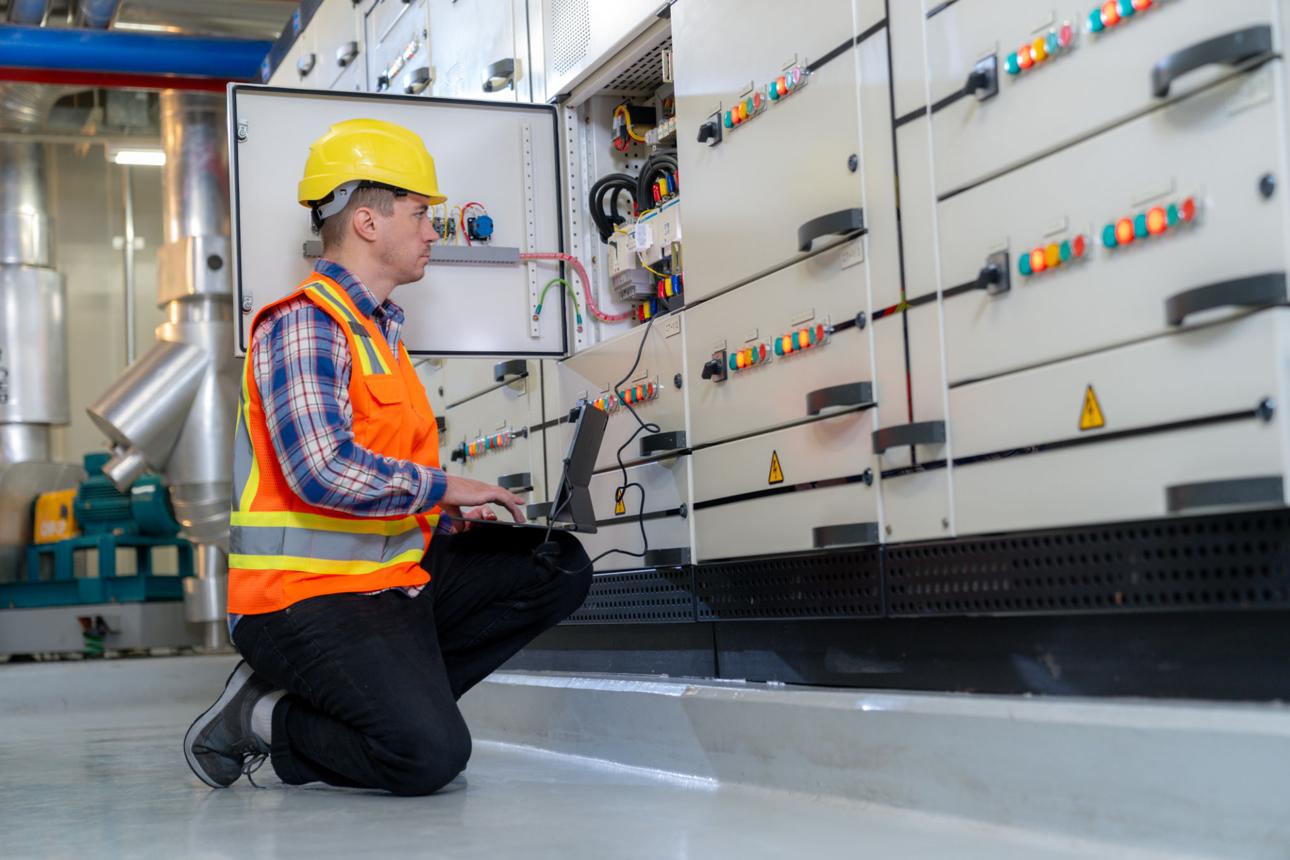
The control cabinet could eventually become one of the areas affected by broader DC adoption.
Today, many panels convert incoming AC power into 24 V DC.
If a facility provides a suitable DC distribution network, some conversion equipment could potentially be moved closer to the electrical infrastructure rather than repeated at every cabinet.
This could simplify some architectures.
However, the result depends heavily on the required voltage levels and equipment specifications.
Existing industrial equipment will continue to support established electrical standards for many years, meaning hybrid architectures will likely coexist with conventional designs.
DC Power and Electrification
Industrial electrification is expanding.
Processes that historically relied on fossil fuels are increasingly being converted to electrical technologies.
At the same time, renewable generation and battery storage are growing.
These trends create an electrical system containing more DC-native energy sources and loads.
Hybrid AC/DC infrastructure can provide a way to connect these technologies while maintaining compatibility with the existing AC grid.
For industrial facilities pursuing electrification, this could become an increasingly relevant design consideration.
What This Means for Automation Equipment Suppliers
The development also has implications for manufacturers of automation equipment.
Power supplies, PLCs, industrial PCs, sensors, drives and communication devices may increasingly need to support new DC distribution architectures.
Equipment manufacturers may also need to consider energy efficiency and power conversion more carefully.
For industrial automation buyers, power architecture could eventually become another factor in equipment selection alongside processing capacity, communication protocols and environmental specifications.
Conclusion
ABB and BCG's latest report highlights the growing strategic role of DC technology as industrial, commercial and digital infrastructure becomes increasingly electrified.
The development is particularly relevant to industrial automation because many control and communication systems already depend on DC power.
The likely future is not a complete transition from AC to DC.
Instead, hybrid AC/DC architectures could allow industrial facilities to use AC where it remains most practical while deploying DC where it can reduce conversion steps and improve integration with batteries, renewable energy and digital equipment.
Standards, protection technology, engineering skills and equipment compatibility will determine how quickly this transition develops.
For automation and electrical engineers, the growing discussion around DC power represents another example of how industrial control systems are becoming increasingly connected with the broader electrical infrastructure of the factory.