Yokogawa Joins Slovenia Hydrogen Ecosystem Initiative to Connect Electricity, Gas and Industrial Automation
Yokogawa Electric Corporation has signed a Memorandum of Understanding with Slovenia's ELES and Plinovodi to explore the development of a nationwide hydrogen ecosystem and strengthen the resilience of critical energy infrastructure.
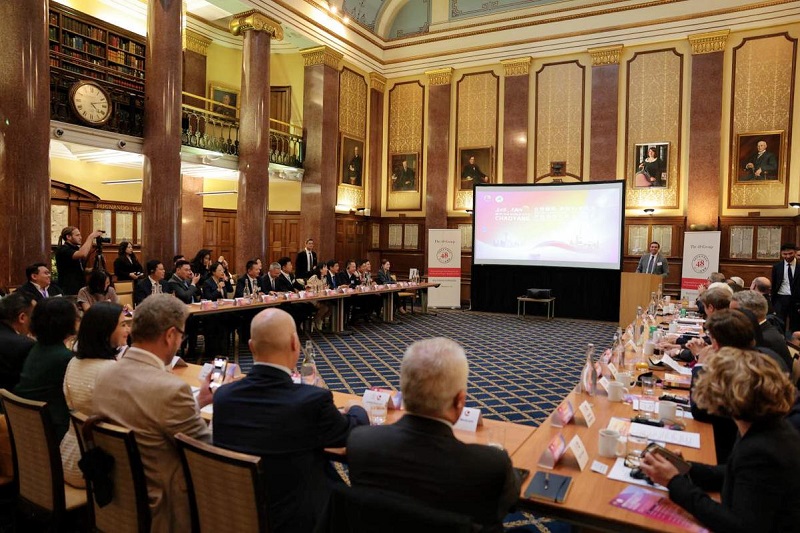
The agreement was signed on September 10, 2026, during ministerial meetings in Japan and was witnessed by representatives of the Japanese and Slovenian governments.
The collaboration is intended to investigate how electricity, gas and hydrogen infrastructure can work together as part of a more flexible low-carbon energy system.
For the industrial automation industry, the project is particularly relevant because integrating multiple energy infrastructures requires advanced control, monitoring, data management and digitalization technologies.
Hydrogen Becomes Part of a More Integrated Energy Architecture
Hydrogen is increasingly being considered as an energy carrier that can connect different parts of the energy system.
Electricity generated from renewable sources can be used to produce hydrogen.
The hydrogen can then be stored, transported or used in industrial applications.
This creates a relationship between the electricity system and gas infrastructure.
However, integrating these systems is technically complex.
Electricity networks operate according to one set of technical requirements.
Gas transmission systems have different operating characteristics.
Hydrogen introduces additional requirements related to production, storage, transportation and end use.
A digital control architecture is therefore needed to coordinate these systems.
Slovenia's Strategic Position
Slovenia is positioned within European energy infrastructure and is connected to regional electricity and gas systems.
The country's future energy strategy will need to accommodate increasing renewable generation while maintaining system reliability.
The cooperation between ELES, Plinovodi and Yokogawa is designed to explore how hydrogen can become part of this broader infrastructure.
ELES contributes expertise in electricity transmission and system management.
Plinovodi provides knowledge of gas transmission infrastructure and hydrogen network development.
Yokogawa contributes industrial automation and digitalization experience.
The combination creates a multidisciplinary approach to energy-system integration.
Demonstration Hydrogen Plant
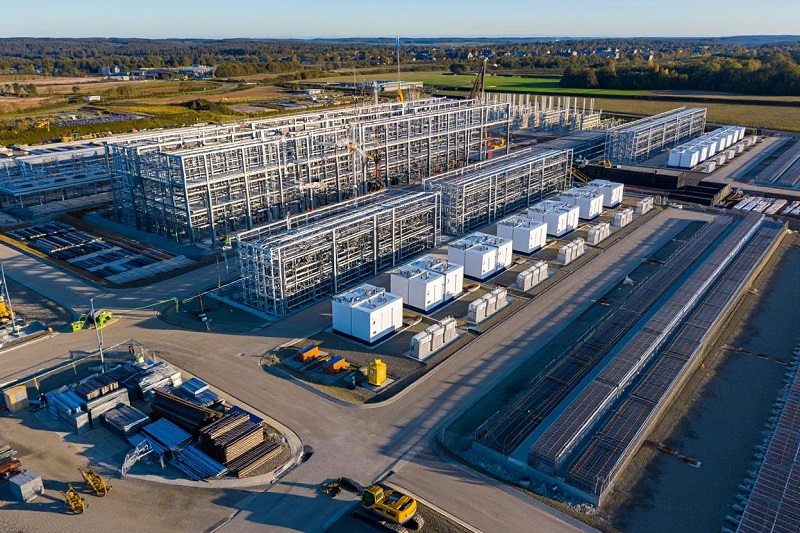
The MoU includes collaboration on a demonstration project for a hydrogen plant that interfaces with electricity and gas transmission networks.
This is an important element because it moves the discussion beyond hydrogen production as an isolated process.
A hydrogen facility connected to multiple energy networks becomes part of a larger control problem.
Electricity availability can affect hydrogen production.
Hydrogen production can affect electricity demand.
Storage can change the timing of energy consumption.
Gas or hydrogen transmission infrastructure can introduce additional operating constraints.
An integrated automation system can help coordinate these conditions.
Role of Industrial Automation
Industrial automation is fundamental to hydrogen production.
A hydrogen plant can include electrical equipment, power electronics, water treatment systems, compressors, storage systems and process equipment.
Sensors and transmitters monitor operating conditions.
Controllers coordinate process sequences.
Safety systems protect equipment and personnel.
SCADA or distributed control systems provide operators with information about plant status.
These technologies allow the physical hydrogen process to be connected with higher-level energy management systems.
Sector Coupling Between Electricity, Gas and Hydrogen
One of the key concepts in the project is sector coupling.
Sector coupling means connecting different energy infrastructures so that they can operate in a coordinated way.
For example, electricity generated during periods of high renewable output could be used for hydrogen production.
The hydrogen could then be stored and used later.
This creates a form of energy flexibility.
Instead of treating electricity, gas and hydrogen as independent systems, operators can optimize them together.
Automation and digitalization are essential to this process because the operating conditions of each system need to be visible to the others.
Renewable Energy Creates New Control Challenges
Renewable energy introduces variability.
Solar generation changes according to sunlight.
Wind generation changes according to weather conditions.
This means electricity production may not always match demand.
Hydrogen production can potentially provide additional flexibility because electrolyzers can convert electricity into stored chemical energy.
However, this requires careful control.
Operating the hydrogen plant at maximum capacity all the time may not be the most efficient strategy.
Instead, the control system can potentially consider electricity availability, hydrogen storage levels, process requirements and network conditions.
This creates a more complex optimization problem than conventional fixed-load industrial production.
Digital Solutions for Coordinated Infrastructure
Yokogawa's role in the initiative includes digital solutions intended to support coordinated operation of electricity and gas infrastructure.
This is an area where industrial automation technology can provide significant value.
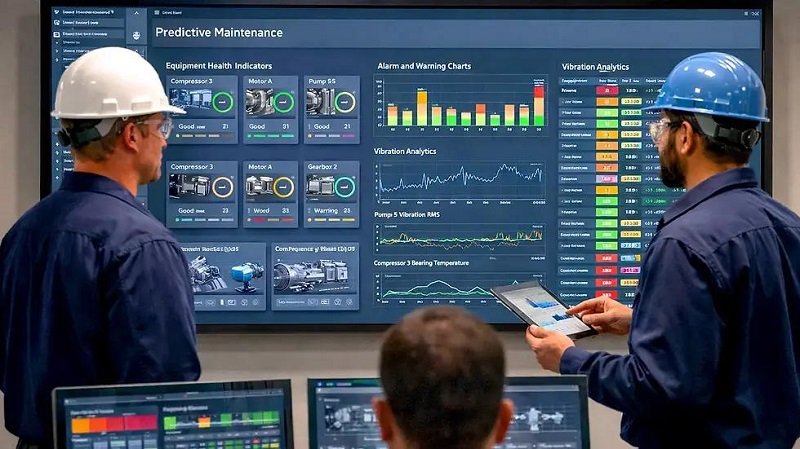
A modern control architecture can collect information from multiple physical systems and provide operators with a common operational view.
Data from electrical substations, gas transmission equipment, hydrogen production units and storage systems can be combined into higher-level monitoring and analysis environments.
This can improve situational awareness.
Importance of Real-Time Data
Energy infrastructure requires accurate and timely data.
Operators need to know current power availability, equipment status, pressure conditions and production levels.
A delay in information can affect decision-making.
Industrial communication networks therefore become important parts of the system.
Sensors, RTUs, PLCs, DCS platforms and SCADA systems may all participate in collecting and transmitting operational information.
The exact architecture will depend on the final design of the hydrogen ecosystem.
However, the basic requirement is clear: different energy systems must be able to exchange trustworthy information.
Hydrogen Safety and Process Control
Hydrogen introduces specific safety considerations.
It is highly flammable and has different physical characteristics from conventional natural gas.
Hydrogen systems therefore require appropriate detection, ventilation, pressure management, process control and safety systems.
Automation can help monitor critical parameters continuously.
Safety instrumented systems can provide independent protective functions where required.
Emergency shutdown systems can be designed to isolate equipment under abnormal conditions.
These functions are particularly important when hydrogen facilities become integrated with wider energy infrastructure.
Mobile Backup Energy Applications
The collaboration also includes plans to explore green hydrogen mobility solutions for maintenance of critical infrastructure and mobile backup units for electricity distribution.
This demonstrates how hydrogen can potentially support infrastructure resilience beyond stationary energy production.
Mobile backup equipment can provide temporary electrical support during maintenance activities or network disruptions.
The multifunctional concept also includes the possibility of using mobile units as fast-charging infrastructure.
For utility operators, flexibility can be valuable because the same equipment may support different operational requirements.
Hydrogen and Energy Security
Energy security is another major motivation behind the initiative.
Energy systems are increasingly exposed to multiple sources of uncertainty, including fuel supply risks, extreme weather, changing demand patterns and infrastructure constraints.
Hydrogen can provide another energy-storage and energy-carrier option.
However, hydrogen itself does not automatically guarantee energy security.
Its effectiveness depends on production capacity, storage infrastructure, transportation networks and economic viability.
Automation and digitalization can help make the resulting system more observable and controllable.
The Role of Feasibility Studies
The first step under the MoU will be a feasibility study examining technical, operational and commercial pathways for integrating hydrogen into Slovenia's energy infrastructure.
This is an important stage.
Large energy infrastructure projects require evaluation of more than technology.
Engineers need to understand how equipment will operate together.
Operators need to determine how the infrastructure will be controlled.
Economic analysis needs to evaluate whether the proposed system provides sufficient value.
Regulatory and safety requirements must also be considered.
The feasibility study can therefore provide a foundation for deciding how the future demonstration project should be designed.
Implications for Industrial Automation Suppliers
The development of hydrogen infrastructure could create demand for a broad range of industrial automation equipment.
Potential technology areas include:
PLC and PAC control systems
Distributed control systems
Safety instrumented systems
SCADA platforms
Industrial communication networks
Pressure and flow transmitters
Gas and hydrogen detection systems
Process analyzers
Variable frequency drives
Remote terminal units
Industrial cybersecurity solutions
The exact equipment requirements will depend on the final process architecture.
However, hydrogen projects demonstrate how industrial automation is becoming increasingly important in the energy transition.
Digitalization Across Energy Networks
The project also illustrates the convergence between traditional process automation and energy-system digitalization.
Historically, an electricity transmission operator, gas network operator and industrial process plant could be managed as largely separate systems.
Future energy architectures may require greater coordination.
Data from each infrastructure needs to be shared in ways that allow operators to understand system-wide conditions.
This creates opportunities for advanced analytics, digital twins and higher-level optimization.
European Replication Potential
The participants also see potential for the experience developed in Slovenia to be applied more broadly.
A successful hydrogen integration model could provide useful lessons for other European energy systems.
Different countries have different infrastructure configurations, regulations and energy resources, so the exact design would not necessarily be identical.
Nevertheless, the fundamental engineering principles—sector coupling, digital monitoring, coordinated control and flexible energy storage—could be applicable elsewhere.
Conclusion
Yokogawa's new collaboration with ELES and Plinovodi represents another step toward integrating hydrogen into national energy infrastructure.
The initiative will examine how electricity, gas and hydrogen systems can operate together while improving energy resilience and supporting the development of a low-carbon hydrogen sector in Slovenia.
For industrial automation professionals, the most important aspect is the role of control and digitalization.
A hydrogen ecosystem cannot operate effectively as a collection of disconnected assets. Electricity networks, gas infrastructure, hydrogen production, storage and transportation require coordinated monitoring and control.
The planned feasibility study will help determine the technical, operational and commercial pathways for this integration.
As Europe continues to develop renewable energy and hydrogen infrastructure, industrial automation technologies—including PLCs, DCS, SCADA, safety systems, industrial networking and digital analytics—are likely to play an increasingly important role in connecting the physical energy system with intelligent operational management.