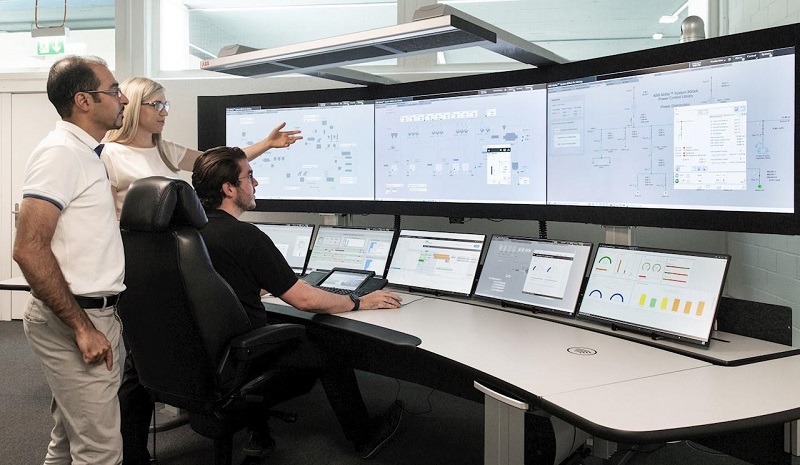
Emerson Expands DeltaV DCS Digital Transformation Solutions for Modern Process Industries
Emerson Enhances Process Automation With Advanced DCS Technology, Cloud Connectivity and Industrial Digitalization
Emerson is continuing to strengthen its process automation solutions as industries worldwide accelerate digital transformation and modernization of their control systems.
Process industries are facing increasingly complex operational challenges.
Manufacturers must improve production efficiency, reduce energy consumption, increase equipment reliability and maintain high levels of safety while adapting to rapidly changing market requirements.
Distributed control systems (DCS) remain a critical technology for these industries because they provide reliable control of continuous production processes.
However, modern DCS platforms are evolving beyond traditional control functions.
The next generation of process automation systems combines real-time control with advanced analytics, cloud connectivity, digital engineering and intelligent operations.
Emerson’s DeltaV automation platform represents this transformation by connecting process control capabilities with modern digital technologies.
The Importance of DCS Systems in Modern Manufacturing
DCS technology has been the foundation of process automation for decades.
Industries including:
- Oil and gas
- Chemical manufacturing
- Pharmaceutical production
- Food processing
- Power generation
- Water treatment
depend on DCS systems to maintain stable operations.
A DCS platform manages complex processes by connecting:
- Field instruments
- Controllers
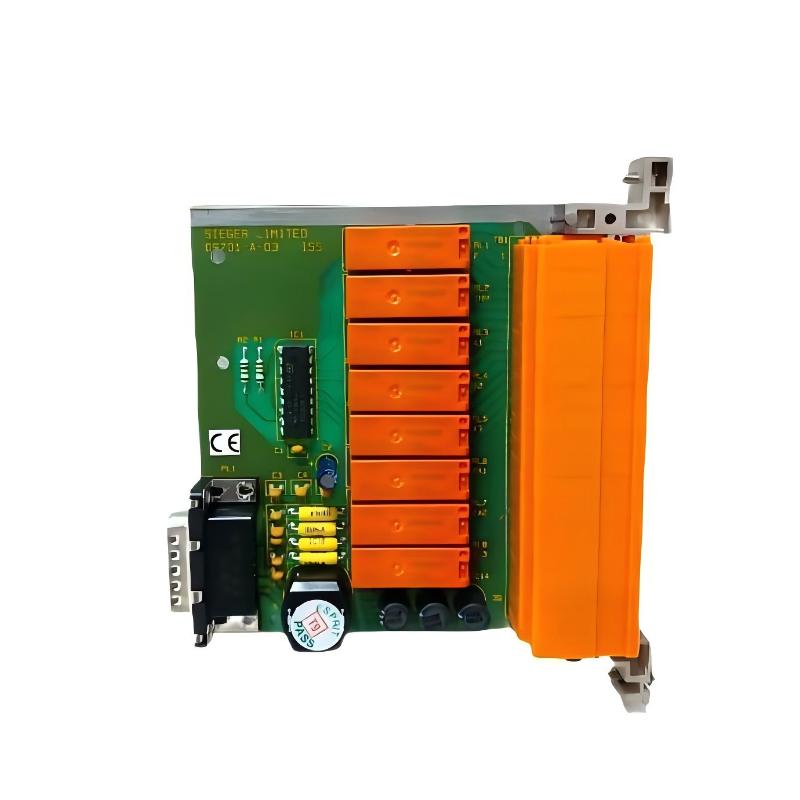
- Input/output modules
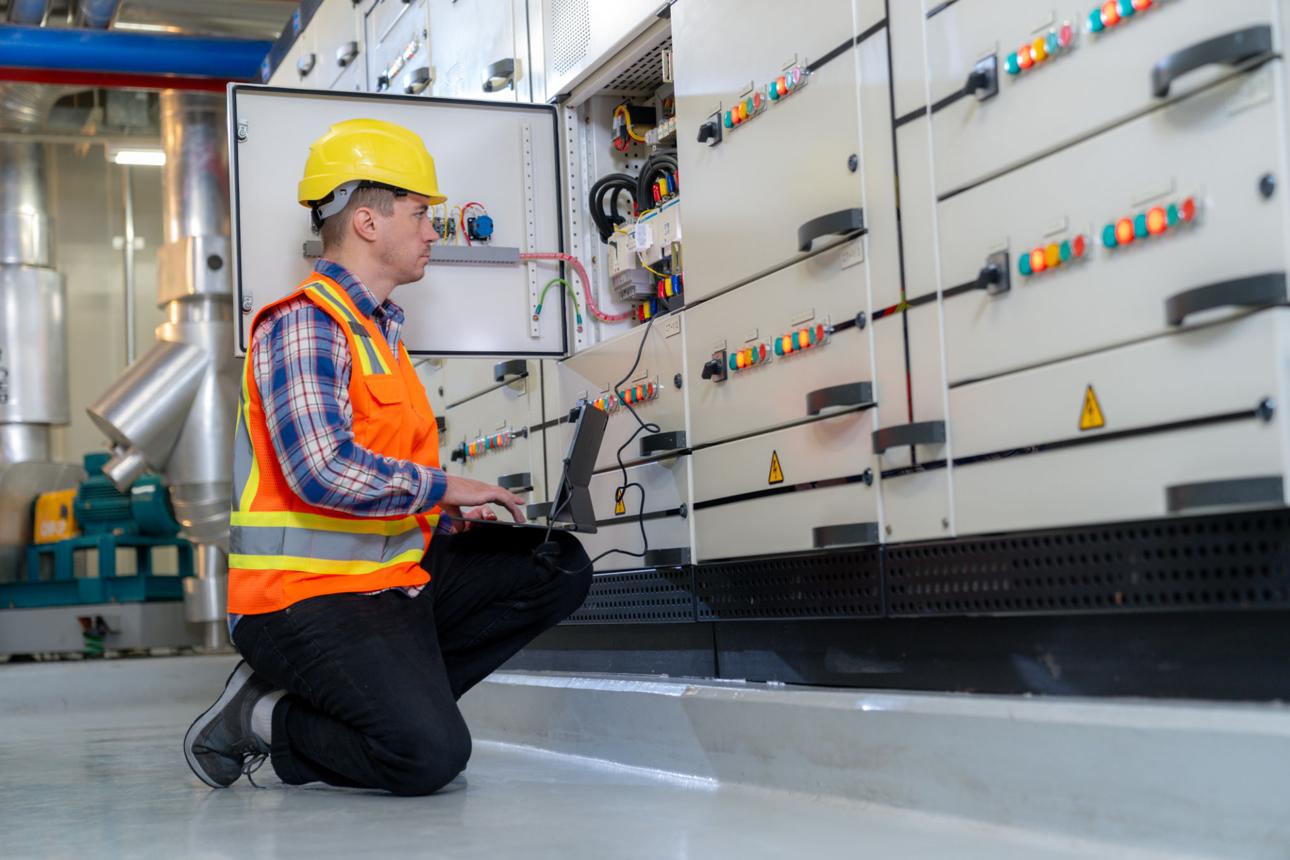
- Operator stations
- Engineering systems
- Industrial networks
The system continuously collects process information and adjusts equipment operation according to programmed control strategies.
This capability is essential for industries where small changes in operating conditions can significantly affect production quality and safety.
Digital Transformation Changes the Role of DCS Platforms
Traditional DCS systems mainly focused on controlling industrial processes.
Modern DCS platforms are becoming more connected and intelligent.
Manufacturers now expect automation systems to provide:
- Better production visibility
- Faster troubleshooting
- Improved maintenance planning
- Advanced process analysis
- Integration with enterprise systems
This requires DCS technology to communicate with more digital tools.
Modern industrial architectures increasingly connect automation systems with:
- Manufacturing execution systems
- Industrial databases
- Analytics platforms
- Cloud applications
- Artificial intelligence solutions
The DCS becomes not only a control system but also an important source of industrial intelligence.
Emerson DeltaV Supports Flexible Process Automation
Modern process industries require flexible automation architectures.
Production requirements can change because of:
- New products
- Market demand changes
- Regulatory requirements
- Sustainability goals
Automation systems must therefore support adaptation.
Flexible DCS platforms allow manufacturers to expand production capabilities while maintaining reliable control.
Engineering teams can modify system configurations, add new equipment and integrate additional digital functions without completely replacing existing infrastructure.
This flexibility is especially important for industries that operate continuously.
Improving Operational Efficiency Through Digital Technologies
Digital technologies provide new opportunities for improving industrial performance.
A modern DCS system collects large amounts of process information.
This data can support:
Process Optimization
Engineers can analyze operating conditions and identify improvement opportunities.
Equipment Monitoring
Operational information can help detect abnormal equipment behavior.
Production Analysis
Manufacturers can evaluate production performance and identify bottlenecks.
Energy Management
Data analysis can reveal opportunities to reduce energy consumption.
The combination of automation data and digital analysis creates a stronger foundation for continuous improvement.
Cloud Connectivity and Industrial Data Management
Industrial companies increasingly need access to production information beyond the control room.
Cloud technologies provide new methods for storing, analyzing and sharing industrial data.
However, industrial cloud applications require careful design.
Manufacturers must consider:
- Data security
- Network reliability
- System availability
- Operational requirements
The connection between industrial automation and cloud platforms must maintain the reliability expected from critical production systems.
Modern automation solutions focus on creating secure connections between operational technology and digital platforms.
Advanced Analytics Improves Decision-Making
Industrial facilities generate huge amounts of operational data.
However, collecting information alone does not create value.
Manufacturers need analytical tools that transform data into useful insights.
Advanced analytics can help answer questions such as:
- Why did production efficiency change?
- Which equipment requires attention?
- How can energy consumption be reduced?
- Which process parameters influence product quality?
By combining DCS data with analytical technologies, engineers can make better operational decisions.
Predictive Maintenance in Process Automation
Maintenance is one of the most important areas where digital automation can create value.
Unexpected equipment failure can result in:
- Production losses
- Safety risks
- Higher maintenance costs
- Extended downtime
Predictive maintenance uses equipment information to identify potential issues before failure occurs.
Data sources may include:
- Temperature measurements
- Pressure signals
- Vibration information
- Equipment operating history
- Alarm records
DCS platforms provide valuable operational information that supports these applications.
Improving Safety Through Modern Control Systems
Safety is one of the highest priorities in process industries.
Modern automation systems support safer operation through:
- Continuous monitoring
- Alarm management
- Process protection
- Emergency response functions
A well-designed control system helps operators understand plant conditions and respond quickly when abnormal situations occur.
Digital technologies can further improve safety by providing better information and analysis.
However, safety systems must always be designed according to industrial requirements and engineering standards.
Cybersecurity Challenges in Connected Automation
As industrial systems become more connected, cybersecurity becomes increasingly important.
Process plants must protect:
- DCS controllers
- Engineering stations
- Industrial networks
- Production data
Cybersecurity strategies include:
- Access management
- Network segmentation
- Secure communication
- Monitoring systems
- Regular maintenance
For modern process industries, cybersecurity is now a fundamental part of automation design.
Supporting Brownfield Automation Upgrades
Many industrial facilities are operating with automation systems installed many years ago.
Replacing entire control systems can be challenging because production interruption must be minimized.
Modern DCS upgrade strategies focus on gradual modernization.
Typical approaches include:
System Assessment
Engineers evaluate existing automation infrastructure.
Hardware Modernization
Critical components are upgraded.
Software Enhancement
New digital capabilities are introduced.
Data Integration
Existing production information becomes available for analysis.
This allows companies to improve automation capability while protecting previous investments.
The Role of Industrial Communication Networks
Modern DCS platforms depend on reliable communication.
Industrial networks connect:
- Field devices
- Controllers
- Operator stations
- Engineering tools
- Digital platforms
Communication performance directly affects automation reliability.
As systems become more connected, network design becomes increasingly important.
Automation engineers must consider both operational performance and cybersecurity requirements.
Automation and Sustainability Goals
Process industries are under increasing pressure to improve sustainability.
Automation technology can support these goals by improving:
- Energy efficiency
- Process stability
- Resource utilization
- Equipment performance
Better control can reduce unnecessary consumption and improve production efficiency.
For industries such as chemicals, energy and manufacturing, automation modernization can contribute to long-term sustainability strategies.
Future Trends in DCS Development
The future of DCS technology will continue moving toward intelligent and integrated automation.
Key trends include:
- Artificial intelligence integration
- Digital twin applications
- Cloud-based industrial analytics
- Advanced cybersecurity
- Flexible engineering platforms
- Improved human-machine interaction
The goal is to create process automation systems that are more intelligent while maintaining the reliability required for industrial production.
Benefits of Modern DCS Modernization
Companies upgrading their automation systems can achieve several advantages:
Increased Reliability
Modern systems provide improved hardware and software support.
Better Operational Visibility
Operators receive more detailed process information.
Improved Maintenance Planning
Data analysis supports proactive maintenance.
Greater Flexibility
Factories can adapt faster to changing requirements.
Enhanced Digital Capability
Production data can support advanced applications.