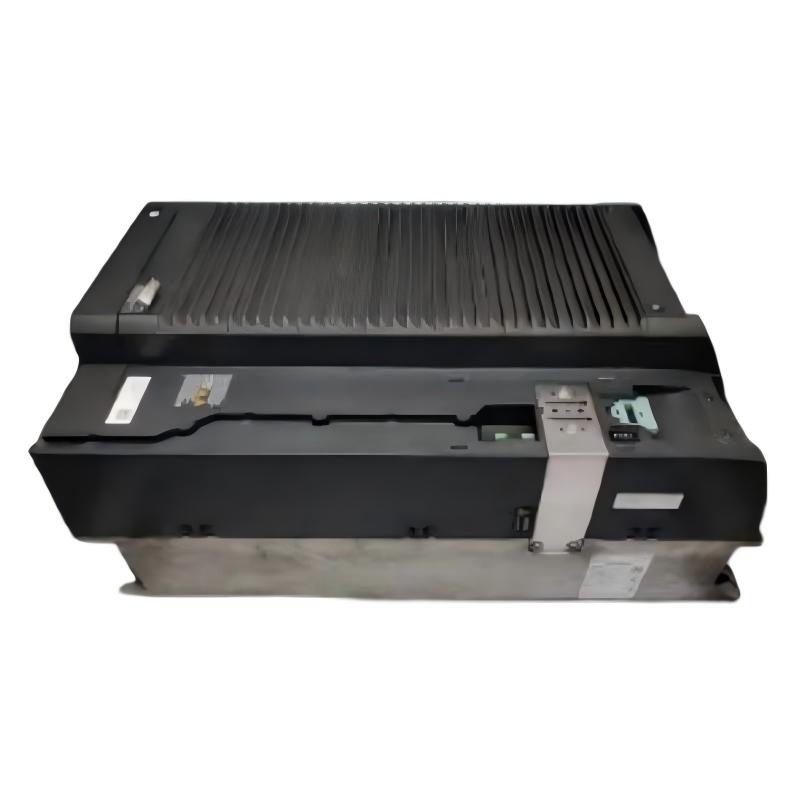
Siemens 6AG1210-1PE28-2AL0 Power Supply Module Troubleshooting Guide: Fault Diagnosis and Repair
Siemens 6AG1210-1PE28-2AL0 Power Supply Module troubleshooting should begin with electrical measurement and load analysis rather than immediate replacement. In industrial automation systems, power supply faults are frequently caused by overload, wiring problems, voltage instability, or downstream device failures.
Siemens 6AG1210-1PE28-2AL0 Power Supply Module Fault Symptoms
Common fault symptoms include:
- PLC Controller suddenly shuts down
- 24 V DC output drops
- Connected sensors lose power
- Communication modules restart
- Output devices become unstable
- Power supply temperature increases
- Automation system operates intermittently
The first diagnostic question should be:
Is the power supply module failing, or is the connected load causing abnormal operating conditions?
Siemens 6AG1210-1PE28-2AL0 Fault Diagnosis Process
A practical Fault Diagnosis sequence is:
AC Input → Power Supply Module → DC Distribution → PLC System → Field Devices
The engineer should check:
- Input voltage
- Output voltage
- Load current
- Terminal condition
- Grounding quality
- Connected device status
A power supply replacement should only be considered after external causes are eliminated.
Siemens 6AG1210-1PE28-2AL0 Low Voltage Troubleshooting
Low 24 V DC output is a common field problem.
Possible causes:
- Excessive load current
- Short circuit
- Undersized wiring
- Loose terminals
- Incorrect power distribution
Diagnostic steps:
- Measure output voltage without load.
- Measure voltage during operation.
- Check current consumption.
- Disconnect loads one by one.
- Identify abnormal circuits.
A voltage drop under load usually indicates a system-level problem rather than immediate module failure.
Siemens 6AG1210-1PE28-2AL0 Overload Fault Diagnosis
Overload conditions can occur when additional devices are added after commissioning.
Common causes:
- Extra sensors installed
- Additional communication devices
- More actuators connected
- Incorrect load calculation
Field measurement example:
Initial design load:
- 3.8 A
Actual operating load:
- 5.6 A
The power supply entered overload protection during machine operation.
After removing unnecessary loads and redesigning the DC distribution, the system returned to stable operation.
Siemens 6AG1210-1PE28-2AL0 Real Fault Diagnosis Case
During production maintenance, a PLC cabinet experienced random shutdowns every few hours.
The engineer checked:
- PLC hardware diagnostics: Normal
- Communication modules: Normal
- Power supply output: Intermittent drop
Further testing found a loose DC terminal connection.
During machine vibration, the connection resistance increased and caused temporary voltage interruption.
After tightening the terminal and checking the wiring condition, the automation system operated continuously.
The fault was caused by installation quality, not a damaged power supply module.
Siemens 6AG1210-1PE28-2AL0 Short Circuit Troubleshooting
A short circuit on the DC output side can trigger protection.
Possible causes:
- Damaged field cable
- Failed sensor
- Valve coil short circuit
- Incorrect wiring
Troubleshooting method:
- Disconnect DC loads.
- Confirm power supply recovery.
- Connect circuits individually.
- Identify the faulty branch.
Do not repeatedly restart the power supply while the short circuit remains connected.
Siemens 6AG1210-1PE28-2AL0 Thermal Fault Diagnosis
Overheating problems require checking both the module and installation environment.
Inspect:
- Cabinet temperature
- Airflow condition
- Installation spacing
- Load percentage
- External heat sources
Example:
A power supply operating at normal current may still overheat if installed inside a poorly ventilated enclosure.
Temperature analysis should include the entire cabinet environment.
Siemens 6AG1210-1PE28-2AL0 Hardware Failure Diagnosis
A genuine power supply hardware failure should be confirmed through testing.
Check:
- Stable AC input
- Correct wiring
- No external short circuit
- Normal load condition
- Output behavior
Possible failure indicators:
- No DC output with correct input
- Persistent abnormal voltage
- Internal fault indication
- Failure under normal load conditions
Siemens 6AG1210-1PE28-2AL0 Repair Decision
Before replacing the module, verify:
- Input power quality
- Output wiring
- Load calculation
- DC distribution
- Environmental conditions
Replace the Power Supply Module only after confirming that external system conditions are normal.
Siemens 6AG1210-1PE28-2AL0 Post-Repair Validation
After repair or replacement, perform:
- Input voltage test
- 24 V DC output measurement
- Load operation test
- PLC startup verification
- Long-term stability monitoring
A successful repair should restore stable power delivery during actual production operation.
Siemens 6AG1210-1PE28-2AL0 Troubleshooting Checklist
| Fault Condition | Diagnostic Priority |
|---|---|
| No output voltage | Input wiring |
| Low DC voltage | Overload and cable loss |
| PLC restart | Power stability |
| Overheating | Load and ventilation |
| Intermittent failure | Terminal connection |
| Repeated fault | System design issue |