GE Vernova Expands Robotics and Industrial Automation Capabilities with Robotech Acquisition
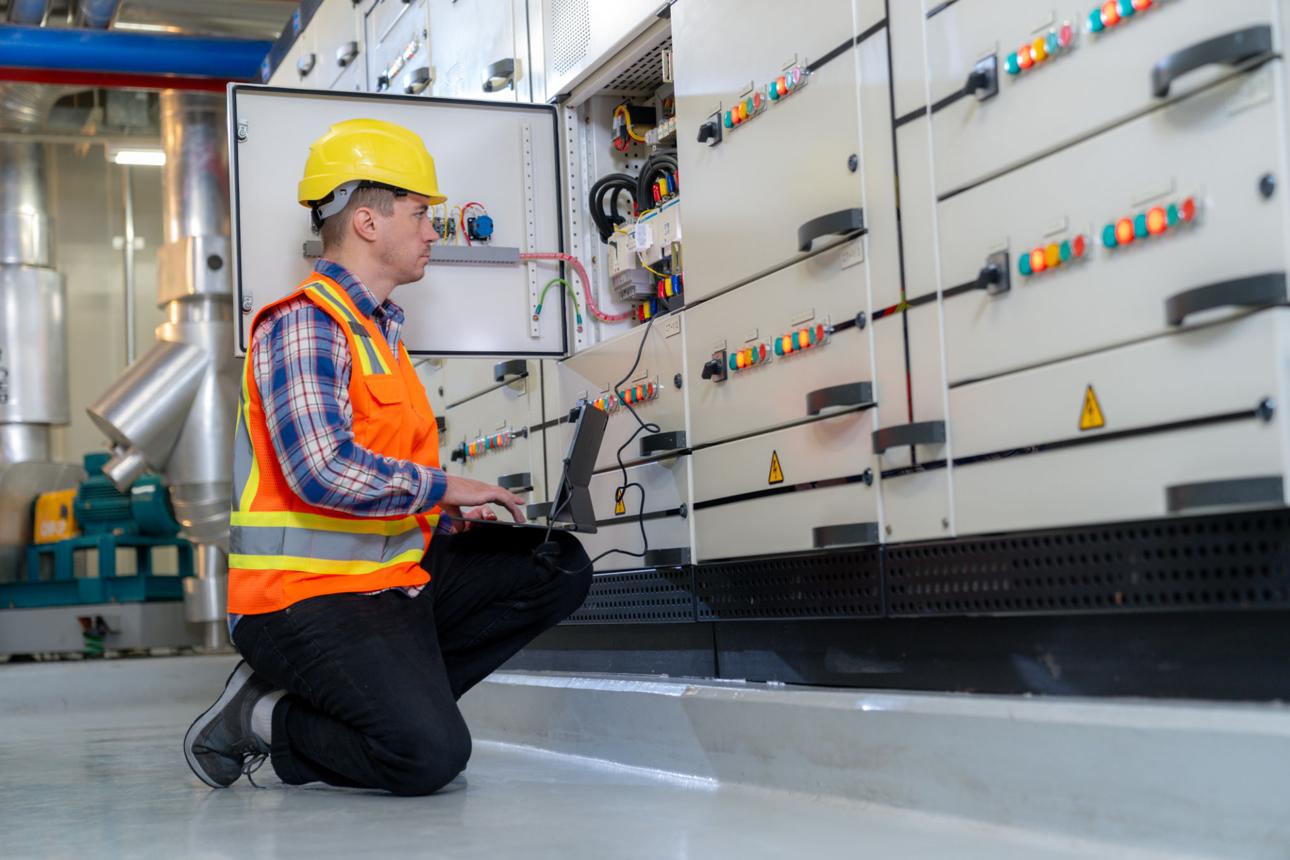
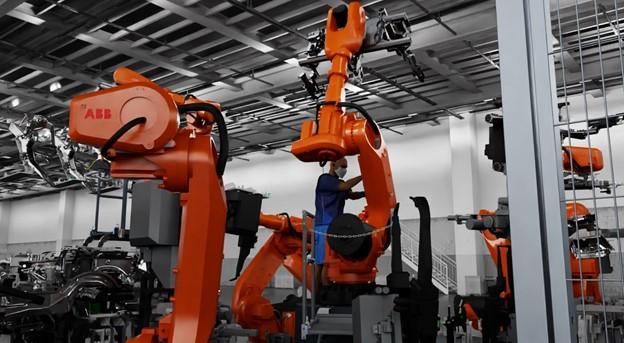
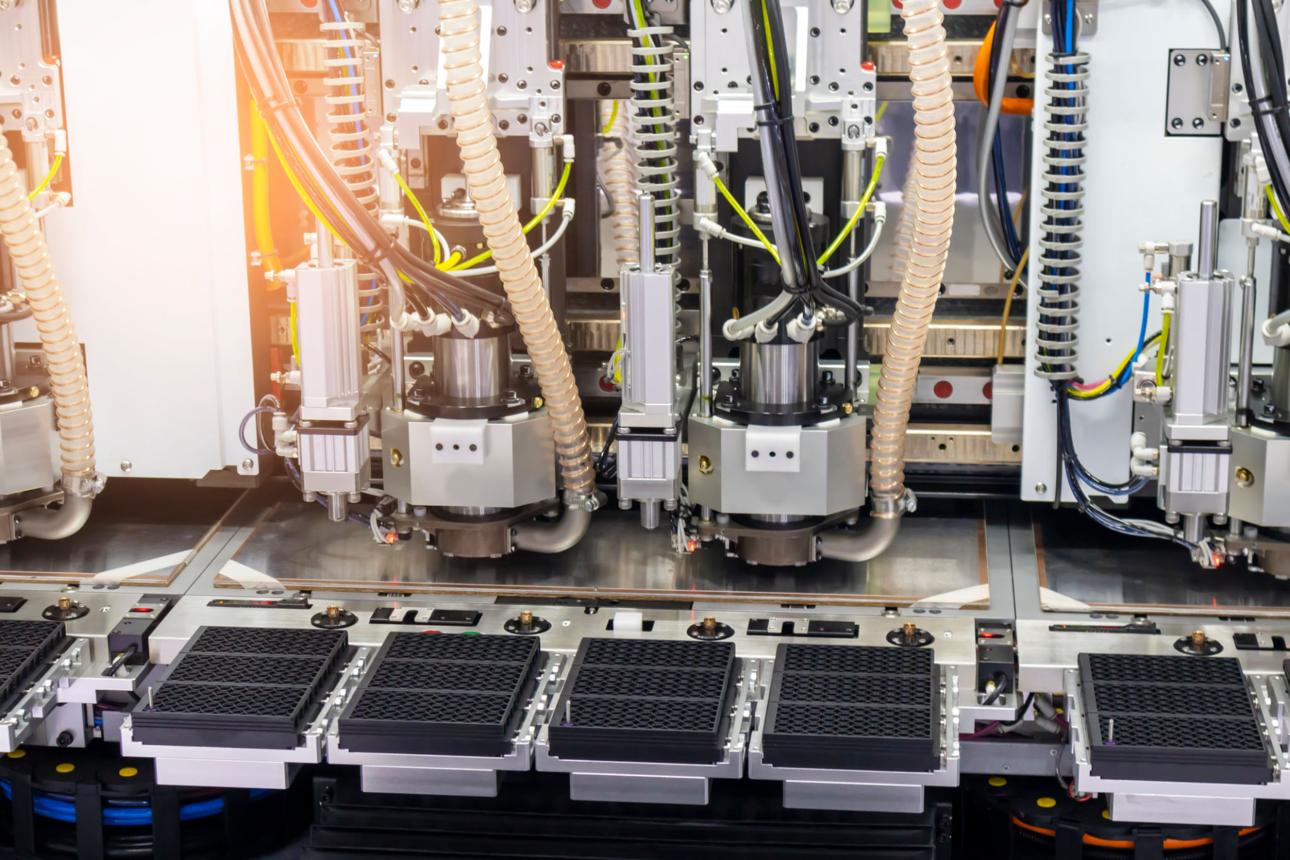
Suggested Image: GE Vernova industrial manufacturing facility with robotic automation cells, gas turbine production equipment, machine vision, industrial control systems, and engineers monitoring automated manufacturing processes.
Industrial automation is becoming increasingly important across the power generation and electrification industries. As demand for power infrastructure grows, manufacturers are under pressure to increase production capacity while maintaining quality, safety, and operational efficiency.
GE Vernova is responding to this environment by expanding its robotics and automation capabilities.
In May 2026, GE Vernova announced an agreement to acquire Robotech Automation, a robotics and automation systems integrator based near Montreal, Quebec. The company said the acquisition would accelerate its robotics and automation capabilities and deployment.
The development provides an interesting example of how industrial automation is becoming strategically important within large-scale energy equipment manufacturing.
Why Robotics Matters to Power Equipment Manufacturing
Power generation equipment is complex and often requires large-scale manufacturing processes.
Gas turbines, generators, electrical equipment, and related systems can involve:
Precision machining
Welding
Assembly
Material handling
Inspection
Surface treatment
Testing
Quality control
Many of these activities can benefit from automation.
Robotic systems can provide repeatable motion, consistent process execution, and continuous operation while industrial control systems coordinate machines, sensors, safety systems, and production equipment.
GE Vernova's Robotech Acquisition
Robotech Automation brings specialized engineering expertise, proprietary automation systems, and integration capabilities.
GE Vernova stated that the companies were already collaborating on active supply chain projects, providing a foundation for integration.
The acquisition therefore represents more than simply adding individual robots.
System integration is critical because robots rarely operate independently in advanced manufacturing environments.
A robotic cell may need to communicate with:
PLC controllers
Motion controllers
Servo drives
Machine vision systems
Safety PLCs
Industrial Ethernet networks
Manufacturing execution systems
Quality databases
Production planning systems
The value of robotics often comes from integrating all these components into a coordinated production system.
Automation and GE Vernova's Manufacturing Expansion
GE Vernova has also been increasing automation within its manufacturing operations.
During a May 2026 strategic conference, the company discussed continued investment in factory equipment and automation. Its Gas Power business had installed hundreds of machines over the preceding quarters and planned additional installations, with automation described as an important part of improving manufacturing efficiency.
This illustrates a broader industrial trend.
Manufacturing companies are not simply purchasing isolated automation products. They are increasingly redesigning production processes around automation.
Robotics Meets Industrial Control
Robots are only one component of a modern automated production line.
A typical robotic manufacturing cell may include a PLC as the main machine controller.
The PLC can coordinate:
Robot operation
Safety circuits
Sensors
Pneumatic systems
Servo motors
Conveyors
Clamping equipment
Vision inspection
Production sequencing
Industrial communication networks then connect these devices.
Depending on the application, technologies such as Ethernet-based industrial networks, safety communication, OPC UA, or other industrial protocols can be used to exchange information between automation layers.
This creates a close relationship between robotics and traditional PLC-based automation.
Machine Vision and Automated Inspection
Quality inspection is another important application.
Manufacturing large and expensive industrial equipment requires reliable quality control.
Machine vision systems can inspect components for dimensional accuracy, surface defects, assembly conditions, and other characteristics.
When vision technology is integrated with robots and PLCs, the production cell can automatically identify a problem and respond according to predefined process rules.
For example, an automated cell could:
Detect a component.
Identify its position.
Pick or manipulate the component.
Perform an assembly operation.
Inspect the result.
Record production information.
Reject defective components.
Continue the production cycle.
This type of closed-loop automation can improve consistency and reduce manual inspection requirements.
The Role of AI in Industrial Automation
The next stage of robotic automation is increasingly connected with artificial intelligence.
Traditional automation follows deterministic logic.
AI-based systems can add capabilities such as:
Image classification
Pattern recognition
Predictive maintenance
Process optimization
Anomaly detection
Production analysis
However, industrial AI must work within the constraints of real production systems.
Safety, response time, reliability, traceability, and cybersecurity remain critical.
This means AI is likely to complement PLCs, robots, and industrial control systems rather than simply replace them.
GE Vernova and the Broader Energy Automation Market
GE Vernova's business covers power generation, electrification, and related energy technologies.
The expansion of automation capabilities is therefore connected to a broader challenge facing the energy industry: increasing the capacity and efficiency of manufacturing infrastructure.
GE Vernova's second-quarter 2026 results showed continued activity across its Power and Electrification businesses, with significant order and backlog growth.
As demand for energy infrastructure increases, manufacturers need production systems capable of scaling output without sacrificing quality.
Automation can become an important part of that equation.
Automation for Gas Turbine Manufacturing
Gas turbine manufacturing provides a strong example of where advanced industrial automation can be applied.
Components may require highly accurate machining and inspection.
Production equipment can incorporate:
CNC machines
Robotic handling
Automated welding
Measurement systems
Machine vision
PLC control
Servo systems
Industrial safety systems
The resulting production environment can be significantly more integrated than a conventional manually operated factory.
Digital Manufacturing and Data Integration
Modern automation also generates valuable production data.
Manufacturing systems can record:
Machine cycle times
Production quantities
Equipment status
Quality results
Maintenance events
Energy consumption
Material movement
Process parameters
When these data streams are connected to manufacturing software, engineering teams can identify bottlenecks and improve production planning.
This creates a link between shop-floor automation and higher-level manufacturing management.
Why System Integration Is Becoming More Important
The growth of robotics does not eliminate the need for PLC and DCS expertise.
Instead, it increases the importance of system integration.
A modern automation project may require engineers who understand several technology areas simultaneously:
PLC programming
Robot programming
Motion control
Industrial networking
Machine safety
Electrical engineering
Machine vision
Data acquisition
Cybersecurity
Manufacturing software
The ability to integrate these technologies into one reliable system is increasingly valuable.
Looking Ahead
GE Vernova's investment in robotics and automation reflects a wider transformation taking place across industrial manufacturing.
As energy infrastructure demand grows, manufacturers need to produce complex equipment more efficiently.
Robotics, PLCs, industrial networks, machine vision, digital production systems, and advanced analytics can work together to create more flexible and scalable factories.
The acquisition of Robotech Automation is therefore significant from an industrial automation perspective because it strengthens GE Vernova's ability to combine robotics engineering with its existing manufacturing and energy-industry capabilities.
Conclusion
GE Vernova's 2026 robotics and automation activities demonstrate how automation is becoming an increasingly important part of energy equipment manufacturing.
The company's move to strengthen robotics capabilities through Robotech Automation adds specialized automation integration expertise to a business that is already investing heavily in manufacturing capacity.
For the wider industrial automation market, the development highlights an important trend: robotics, PLC control, machine vision, motion systems, industrial networking, and manufacturing software are increasingly being deployed as one integrated automation environment.
As power generation and electrification infrastructure expands, advanced manufacturing automation will remain an important technology for improving production capacity, consistency, and operational visibility.