2026 Harmonic Protector Manufacturer Guide: Smart Harmonic Protection and High-Performance Solutions for Industrial Power Quality
Meta Description (SEO):
2026 guide to harmonic protector manufacturers, including smart harmonic protection devices and ABB harmonic solutions. Learn how high-performance harmonic protectors improve industrial power quality and efficiency.
2026 Market Overview: Growing Demand for Harmonic Protection Solutions
As industrial automation and electrification continue to expand, power quality management has become a critical requirement for factories, data centers, and energy-intensive facilities.
In 2026, demand is rising for smart harmonic protectors and high-performance harmonic filtering systems, driven by increasing use of:
- Variable frequency drives (VFDs)
- Industrial robots and servo systems
- Data center UPS systems
- Renewable energy integration
- Electrified manufacturing equipment
These systems introduce harmonic distortion into power networks, making harmonic protection essential for stable and efficient operation.
What Is a Smart Harmonic Protector?
A smart harmonic protection device is designed to detect, analyze, and mitigate harmonic distortions in electrical systems. Compared with traditional passive filters, smart solutions offer:
- Real-time harmonic monitoring
- Active power filtering capabilities
- Adaptive response to load changes
- Integration with industrial IoT systems
- Improved energy efficiency and equipment protection
These features help ensure stable voltage quality, reduced equipment failure, and optimized energy consumption.
ABB in Harmonic Power Quality Solutions
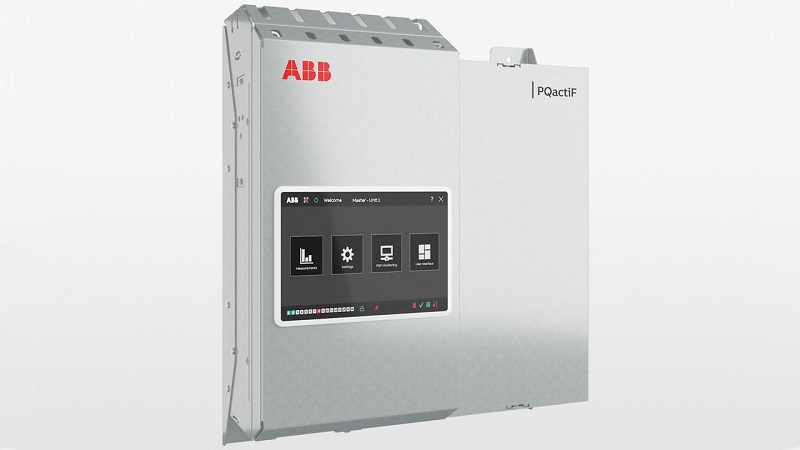
ABB is widely recognized for its advanced power quality and harmonic mitigation technologies.
ABB-related harmonic solutions are commonly used in:
- Industrial drive systems
- Manufacturing automation lines
- Data centers and critical infrastructure
- Renewable energy plants
Their systems focus on reducing total harmonic distortion (THD) while improving overall energy efficiency and system reliability.
Key Benefits of High-Performance Harmonic Protectors
Modern harmonic protection systems provide several advantages for industrial users:
1. Improved Power Quality
Reduces voltage distortion and stabilizes electrical networks.
2. Equipment Protection
Prevents overheating and premature failure of motors, transformers, and drives.
3. Energy Efficiency
Minimizes reactive power and improves system efficiency.
4. Compliance with Standards
Helps meet international power quality and grid regulations.
5. Smart Monitoring Capabilities
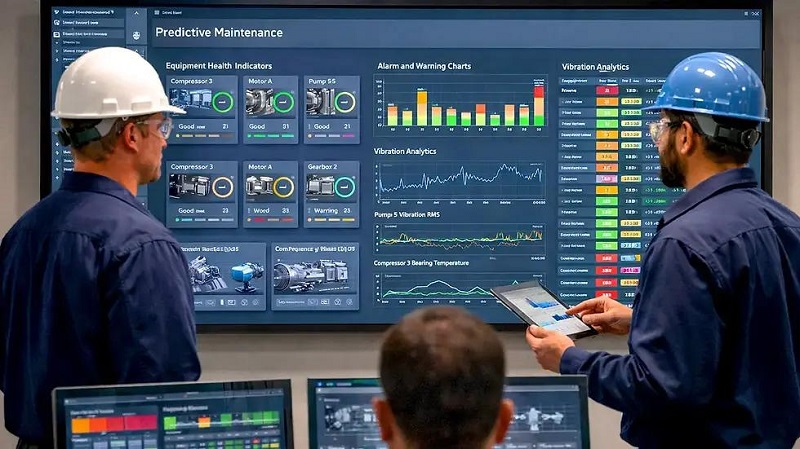
Enables predictive maintenance and real-time diagnostics.
Industry Applications
Harmonic protection systems are widely applied in:
- Smart factories and industrial automation systems
- Steel, cement, and heavy manufacturing industries
- Data centers and IT infrastructure
- Renewable energy integration systems
- Commercial building electrical systems
These sectors require stable and clean power supply to ensure operational continuity and efficiency.
Industry Trend: From Passive Filtering to Smart Power Quality Management
The harmonic protection market is shifting from traditional passive filters to:
- Active harmonic filtering systems
- AI-driven power quality analytics
- IoT-enabled monitoring platforms
- Integrated energy management systems
This evolution supports the broader development of Industry 4.0 and smart grid infrastructure.