Virtual PLCs and AI Integration Reshape Industrial Automation in 2026
The industrial automation sector is rapidly evolving with the rise of virtual Programmable Logic Controllers (vPLCs) and artificial intelligence-driven control systems. In 2026, manufacturers are increasingly moving away from traditional hardware-bound PLC architectures toward software-based, cloud-enabled automation platforms.
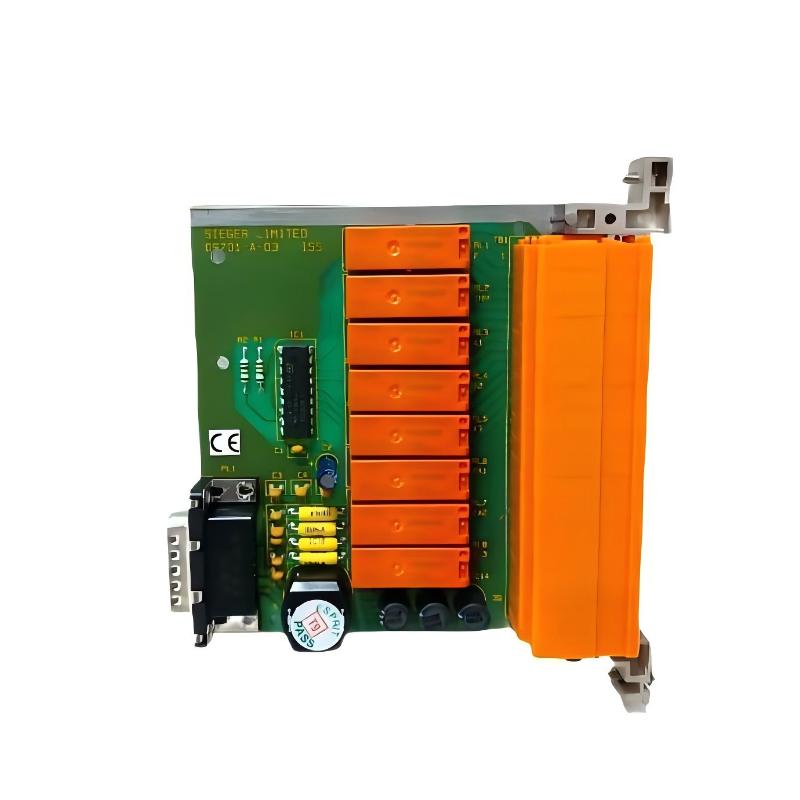
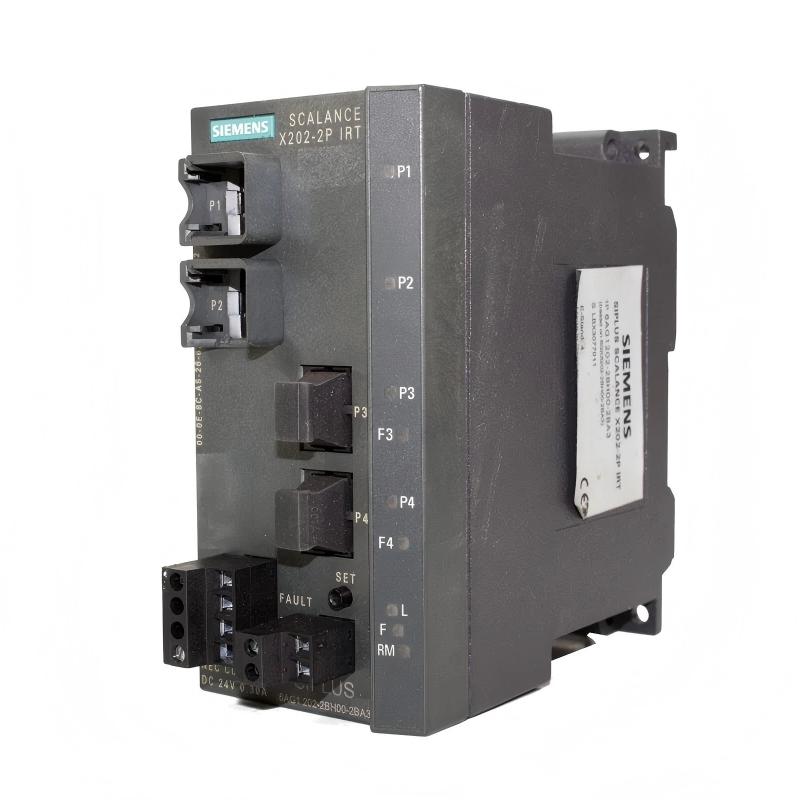
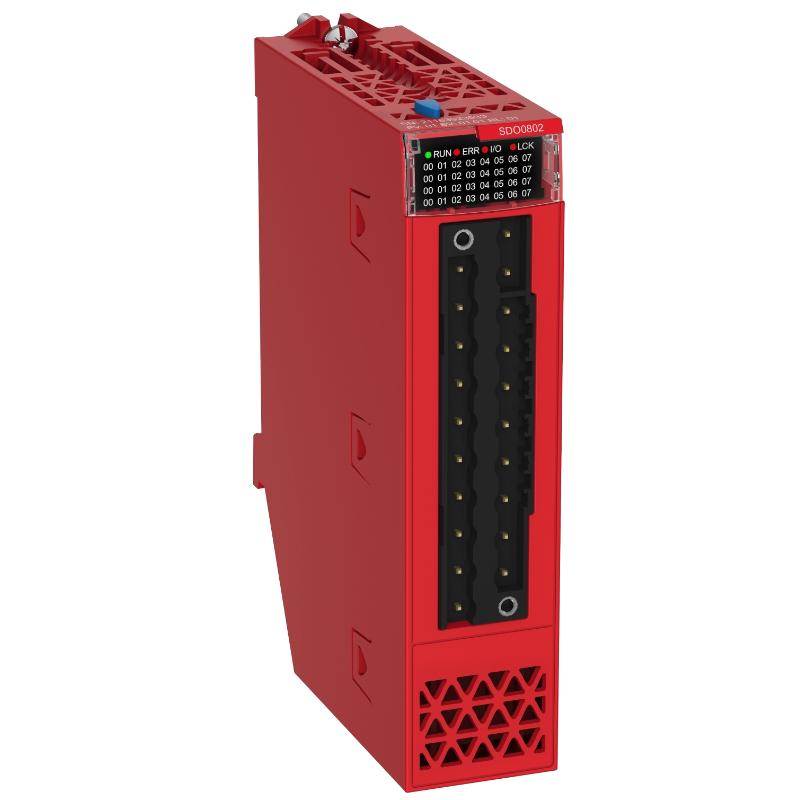
Virtual PLC technology allows control logic to run on industrial PCs, edge devices, or cloud infrastructure rather than dedicated physical PLC hardware. This shift significantly improves flexibility and reduces hardware dependency in modern factories.
Why Virtual PLCs Are Emerging Now
Several technological factors are driving this transformation:
- Increased computing power at the edge
- Growth of industrial cloud platforms
- Demand for remote monitoring and diagnostics
- Integration of AI-based predictive control systems
- Need for faster production reconfiguration
Manufacturers are under pressure to adapt production lines more quickly to changing market demands, and virtual PLCs provide a scalable solution for agile manufacturing.
AI in PLC Programming and Control Systems
Artificial intelligence is now being used in multiple areas of industrial automation, including:
- Automatic generation of control logic
- Optimization of production parameters
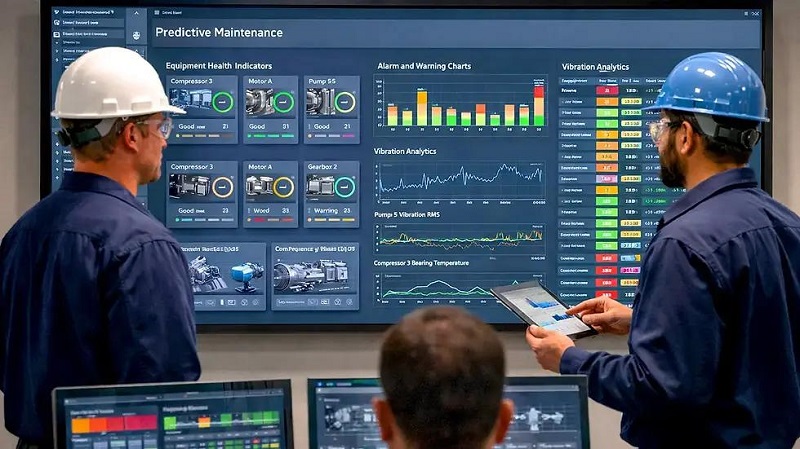
- Predictive maintenance of industrial equipment
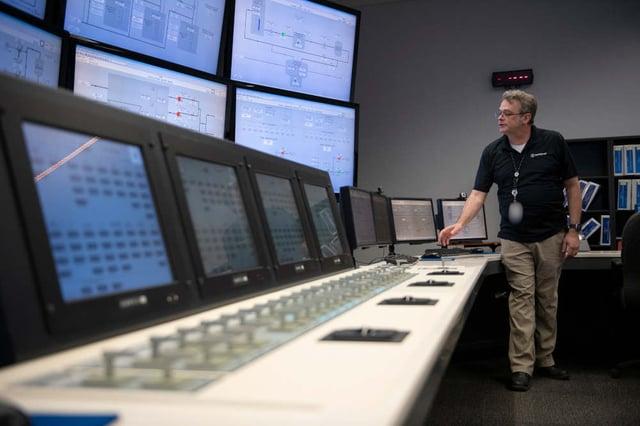
- Automated alarm diagnosis in SCADA systems
- Code translation between PLC platforms
AI-assisted engineering tools are reducing engineering workload by automating repetitive programming and testing tasks, allowing engineers to focus more on system design and optimization.
Impact on Industrial Engineers
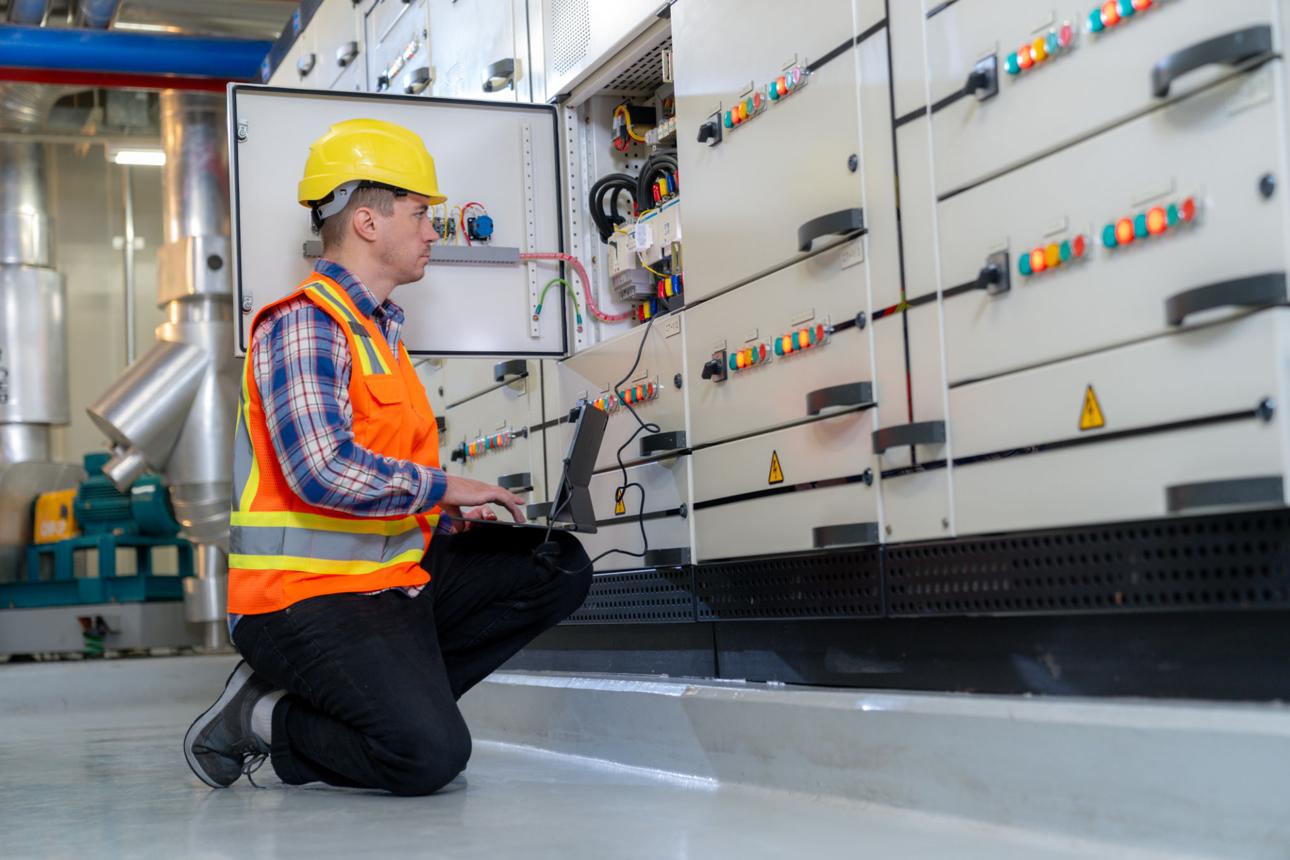
The role of PLC and DCS engineers is changing. Instead of purely writing ladder logic or configuring hardware, engineers are increasingly expected to understand:
- IT/OT convergence
- Industrial cybersecurity
- Cloud-based SCADA systems
- Data analytics and machine learning integration
This shift is creating demand for hybrid automation engineers who combine traditional electrical engineering with software development skills.
Future Outlook
By the late 2020s, virtual PLCs are expected to become a standard component of industrial automation architectures, especially in smart factories and Industry 4.0 environments.