Industrial Automation 2026: Digital Twin Becomes Core Technology in Smart Manufacturing
Introduction
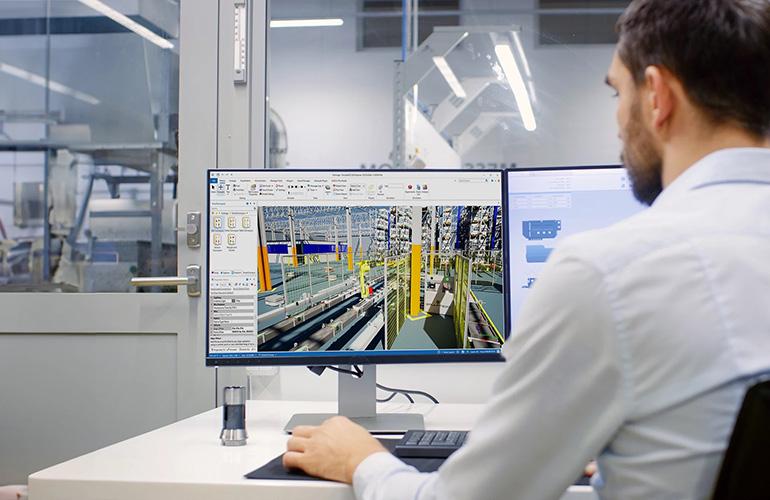
The industrial automation industry in 2026 is experiencing rapid transformation, driven by the increasing adoption of digital twin technology. Manufacturers are using virtual models of physical systems to improve production efficiency, reduce downtime, and optimize industrial processes.
Digital twin technology is now widely applied in manufacturing, energy, automotive, and process industries, becoming a key component of modern smart factories.
Growing Adoption in Industrial Systems
Digital twin systems are no longer limited to research environments. They are now actively deployed in real industrial production systems.
Companies use digital twins to:
- Simulate production lines before installation
- Monitor equipment conditions in real time
- Predict machine failures
- Optimize energy usage across plants
This allows manufacturers to reduce operational risks and improve system reliability.
Integration with PLC and DCS Systems
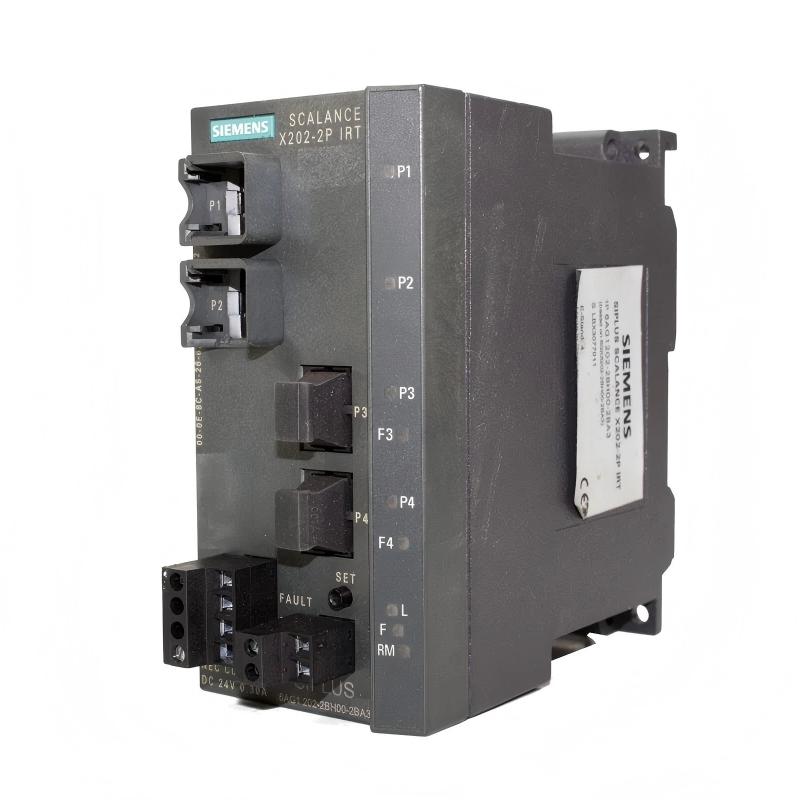
Digital twin platforms are deeply connected with traditional industrial control systems.
In modern factories:
- PLC systems provide real-time machine control data
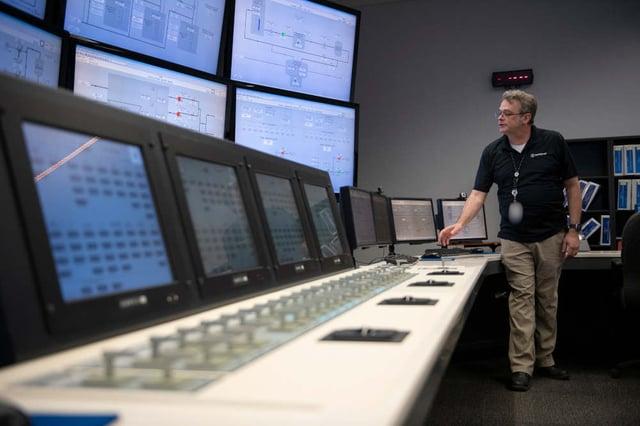
- DCS systems manage large-scale process operations
- SCADA systems visualize industrial data
- Digital twins combine all information into a virtual model
This integration allows engineers to test changes in a virtual environment before applying them to real production systems.
Industrial IoT and Data Connectivity
The growth of Industrial IoT has significantly enhanced digital twin capabilities.
Modern systems can now collect continuous data from sensors, machines, and controllers, enabling real-time updates of digital models.
This improves:
- Production accuracy
- Equipment reliability
- Predictive maintenance performance
- Overall operational efficiency
Industrial Applications
Digital twin technology is widely used in:
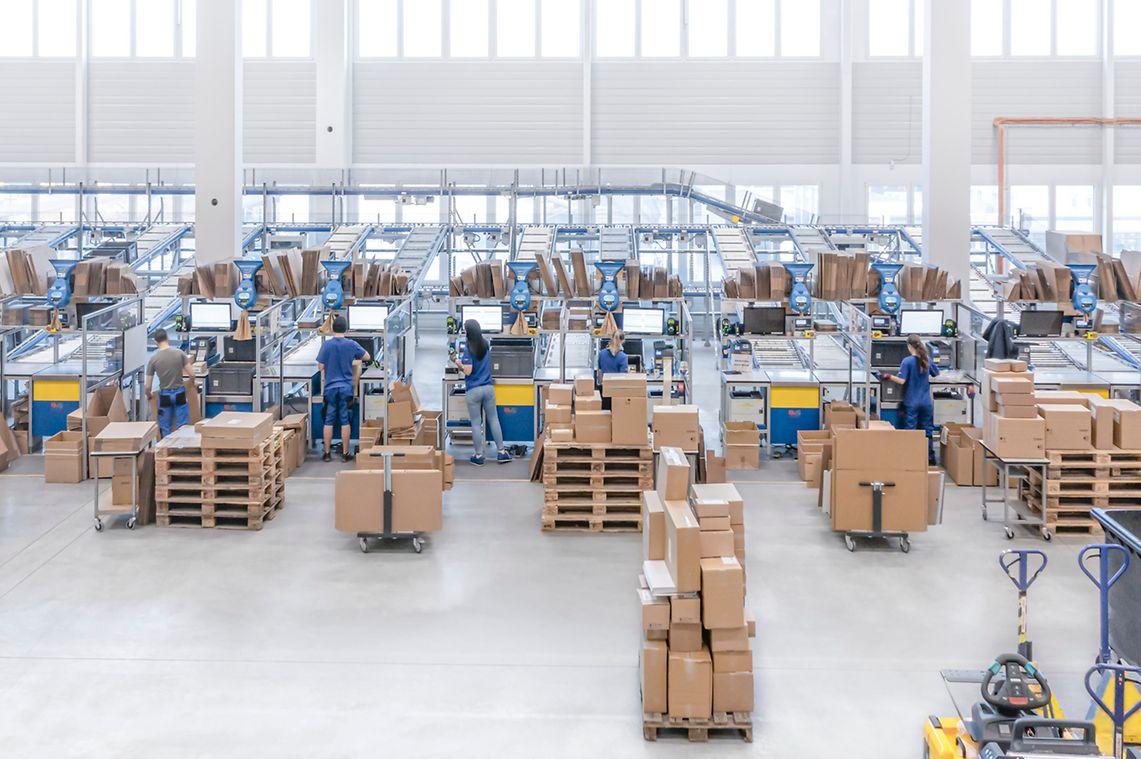
- Smart manufacturing plants
- Energy production systems
- Oil and gas operations
- Automotive assembly lines
- Chemical processing industries
These applications help reduce downtime and improve production stability.
Conclusion
Digital twin technology is becoming a core element of industrial automation. Its integration with PLC, DCS, and IIoT systems is driving the evolution toward fully digital and intelligent manufacturing environments.