Industrial Automation Trends in 2026: PLC, DCS, Robotics, and AI Technologies Reshape Global Manufacturing
Advanced Automation Systems Drive Smart Factories Toward Higher Efficiency, Flexibility, and Intelligent Production
The global industrial automation industry is entering a new phase of development in 2026, driven by the rapid adoption of intelligent PLC systems, advanced Distributed Control Systems (DCS), robotics, artificial intelligence, and digital manufacturing technologies.
Manufacturers across the world are facing increasing challenges, including rising production costs, global market competition, labor shortages, and the need for higher operational efficiency.
To address these challenges, industrial companies are accelerating investments in automation technologies that improve productivity, reduce downtime, and create more flexible manufacturing environments.
Modern industrial automation is no longer limited to automatic machine control. It has evolved into a complete digital ecosystem combining control systems, data analytics, communication networks, and intelligent decision-making technologies.
The New Era of Intelligent Industrial Automation
For many decades, industrial automation focused mainly on replacing manual operations with automatic control.
Traditional automation systems were designed to:
- Control machines
- Improve production speed
- Increase operational reliability
- Reduce human error
However, modern factories require much more advanced capabilities.
Today’s industrial companies need systems that can:
- Analyze production data
- Predict equipment failures
- Optimize manufacturing processes
- Reduce energy consumption
- Support remote operation
- Improve product quality
This demand is driving the development of intelligent automation systems.
The combination of PLC, DCS, AI, robotics, and industrial communication technologies is creating a new generation of smart manufacturing.
PLC Systems Continue to Drive Factory Automation
Programmable Logic Controllers remain one of the most important technologies in industrial automation.
PLC systems are widely used in:
- Manufacturing equipment
- Packaging machines
- Automotive production lines
- Material handling systems
- Robotics applications
- Process control systems
Modern PLC platforms are becoming more powerful and intelligent.
New-generation PLC systems provide:
- Faster processing capability
- Advanced communication functions
- Better cybersecurity features
- Cloud connectivity
- Integration with industrial software
The role of PLC is expanding from simple machine control toward intelligent automation management.
DCS Technology Supports Large-Scale Process Automation
Distributed Control Systems continue to play a critical role in industries requiring continuous and complex process management.
Important DCS applications include:
- Oil and gas facilities
- Chemical plants
- Power stations
- Water treatment systems
- Pharmaceutical manufacturing
Modern DCS platforms provide:
- Advanced process monitoring
- Real-time data analysis
- Improved safety management
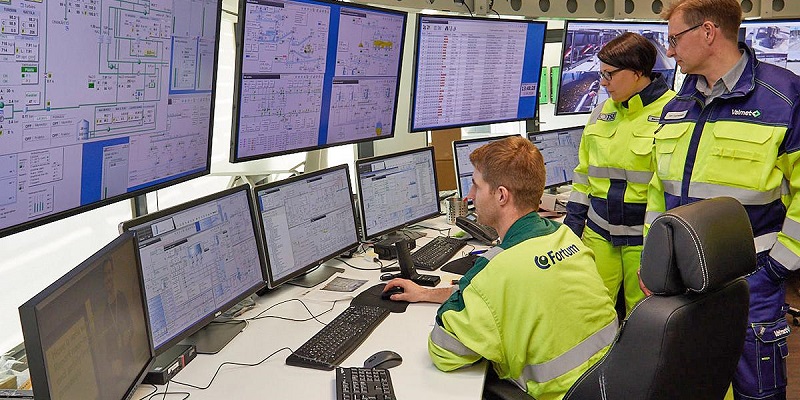
- Remote operation capabilities
- Integration with digital platforms
As industrial processes become more complex, DCS technology continues to evolve to meet new operational requirements.
Artificial Intelligence Becomes a Major Automation Driver
Artificial intelligence is one of the most important trends influencing industrial automation in 2026.
AI technologies are helping manufacturers improve efficiency and decision-making.
Major industrial AI applications include:
Predictive Maintenance
AI systems analyze equipment data to identify possible failures before they happen.
Industrial machines generate large amounts of information from:
- Sensors
- Motors
- Drives
- Temperature monitoring systems
- Vibration detection devices
AI algorithms can identify abnormal patterns and provide maintenance recommendations.
This helps companies reduce:
- Unexpected downtime
- Repair costs
- Production interruptions
AI-Based Process Optimization
Industrial processes often involve thousands of variables.
AI technology can analyze these variables and identify better operating conditions.
Applications include:
- Energy optimization
- Production parameter adjustment
- Quality improvement
- Resource management
This allows factories to operate more efficiently.
Robotics and Automation Integration Expands Globally
Industrial robotics continues to grow as manufacturers seek higher productivity and flexibility.
Modern robotic systems are increasingly integrated with:
- PLC controllers
- Machine vision systems
- AI software
- Industrial networks
Robotics applications include:
- Assembly operations
- Welding
- Packaging
- Material handling
- Inspection processes
The combination of robotics and intelligent automation allows manufacturers to create more flexible production environments.
Digital Twin Technology Improves Industrial Performance
Digital twin technology is becoming increasingly important in modern manufacturing.
A digital twin creates a virtual model of a physical machine, production line, or industrial process.
Companies can use digital twins to:
- Test production changes
- Simulate equipment behavior
- Optimize processes
- Reduce engineering risks
Before making physical changes, engineers can evaluate possible results in a virtual environment.
This improves project efficiency and reduces implementation costs.
Industrial Communication Becomes the Foundation of Smart Factories
Connected factories require reliable communication between different automation systems.
Modern industrial environments depend on:
- PLC networks
- DCS communication systems
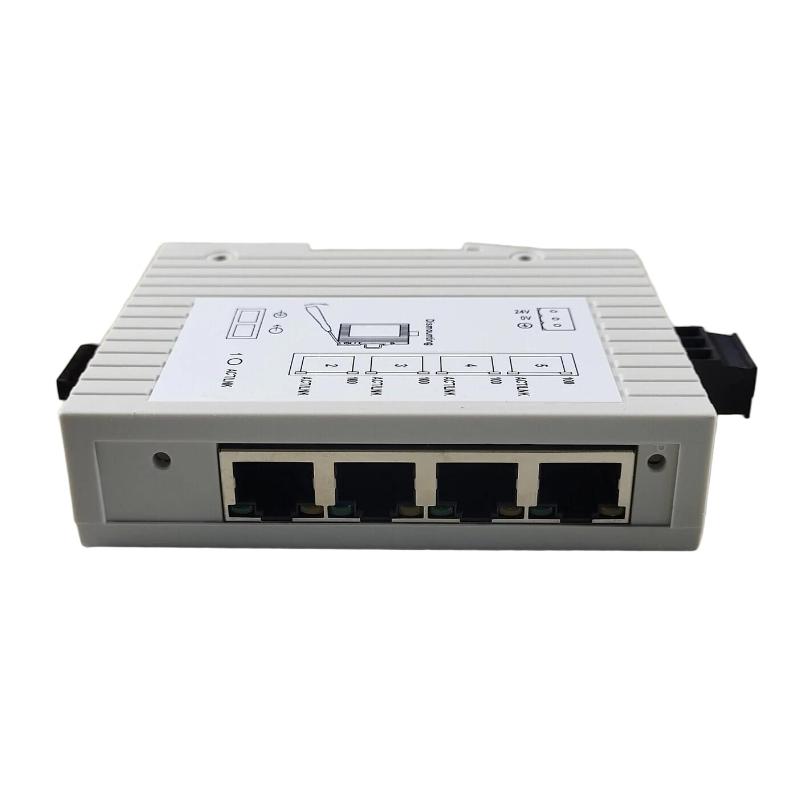
- Industrial Ethernet
- Wireless industrial networks
- Cloud platforms
Communication technologies allow:
- Machines to exchange data
- Systems to share information
- Engineers to monitor operations remotely
Open communication standards are becoming increasingly important for industrial companies.
Cybersecurity Challenges Increase With Automation Connectivity
As industrial systems become more connected, cybersecurity has become a critical issue.
Factories must protect:
- PLC controllers
- DCS platforms
- SCADA systems
- Industrial networks
- Production data
Modern automation security strategies include:
- Secure network design
- User authentication
- Data encryption
- Access control
- Continuous monitoring
Cybersecurity is now an essential part of industrial automation planning.
The Changing Role of Automation Engineers
The development of intelligent automation is changing the requirements for engineers.
Traditional automation skills remain important:
- PLC programming
- DCS configuration
- HMI development
- Control system commissioning
However, modern engineers also need knowledge of:
- Industrial networking
- Artificial intelligence
- Cloud technologies
- Data analysis
- Cybersecurity
The future automation professional will combine electrical engineering, control engineering, and digital technology skills.
Future Outlook of Industrial Automation
The industrial automation industry will continue moving toward intelligent, connected, and flexible systems.
Major future trends include:
- AI-powered automation
- Software-based control systems
- Advanced robotics
- Industrial IoT
- Smart manufacturing platforms
- Sustainable automation solutions
Manufacturers that successfully adopt these technologies will achieve stronger competitiveness in the global market.
Industrial automation is no longer only about controlling machines. It is about creating intelligent production systems capable of analyzing information, optimizing operations, and continuously improving performance.
The future of manufacturing will be built on advanced PLC systems, powerful DCS platforms, artificial intelligence, and connected industrial ecosystems.