Smart Sensors and Industrial Ethernet Revolutionize PLC Automation Systems in Modern Factories
Advanced Field Devices, Real-Time Data Communication, and Connected Control Networks Create More Efficient Manufacturing Operations
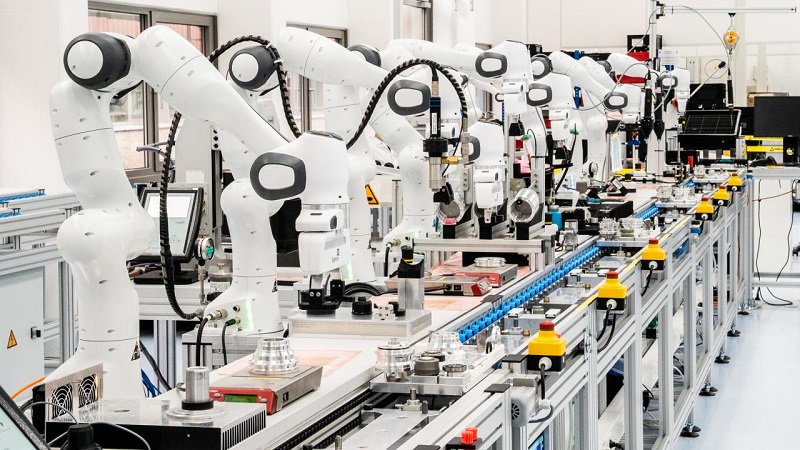
The industrial automation industry is experiencing a major technological shift in 2026 as smart sensors, industrial Ethernet networks, advanced PLC systems, and real-time communication technologies transform the way modern factories operate.
For many years, industrial automation relied on traditional control architectures where PLC controllers operated independently with limited connection to external systems.
Today, manufacturing companies are demanding more intelligent and connected automation solutions.
Modern factories require:
- Faster data communication
- Higher equipment visibility
- Real-time production monitoring
- Better machine performance analysis
- More flexible control systems
To achieve these goals, industrial companies are increasingly upgrading their automation infrastructure with intelligent field devices, industrial networking technologies, and advanced PLC platforms.
The combination of smart sensors and industrial Ethernet is creating a new generation of automation systems capable of collecting, processing, and sharing industrial data throughout the entire production environment.
Smart Sensors Become the Foundation of Intelligent Automation
Sensors have always been an essential part of industrial automation.
Traditional sensors mainly provided simple signals such as:
- Temperature values
- Pressure measurements
- Position feedback
- Speed information
- Machine status signals
These signals were sent to PLC systems for processing and control.
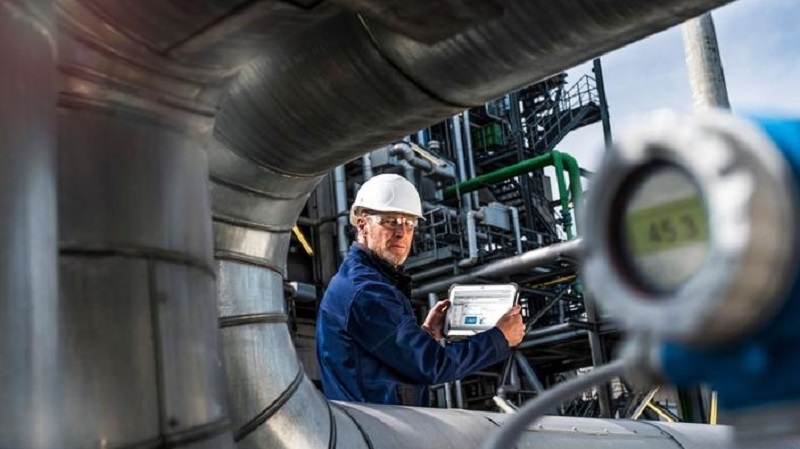
However, modern smart sensors provide much more advanced capabilities.
Today’s intelligent sensors can:
- Process information locally
- Perform self-diagnostics
- Communicate directly with automation networks
- Monitor equipment conditions
- Provide detailed operational data
This development improves the ability of automation systems to understand real-world production conditions.
The Role of Smart Sensors in Predictive Manufacturing
One of the most important applications of smart sensors is predictive maintenance.
Industrial companies want to reduce unexpected equipment failures and improve production reliability.
Smart sensors can continuously monitor:
- Motor vibration
- Bearing temperature
- Equipment pressure
- Machine movement
- Energy consumption
The collected information helps automation systems identify abnormal operating conditions.
For example:
A traditional system may detect equipment failure only after a machine stops.
A smart sensor system can identify early warning signals and allow maintenance teams to take action before production is interrupted.
This reduces downtime and improves equipment lifespan.
Industrial Ethernet Changes Automation Communication
Communication technology is one of the most important elements of modern automation systems.
Traditional industrial networks were often designed for specific applications.
However, modern factories require faster, more flexible, and more scalable communication systems.
Industrial Ethernet technology is becoming increasingly important because it provides:
- High-speed communication
- Large data capacity
- Real-time performance
- Better integration possibilities
Industrial Ethernet connects:
- PLC controllers
- Remote I/O modules
- Sensors
- Robots
- Drives
- SCADA systems
- Industrial computers
This creates a connected automation environment.
How Advanced Networking Improves PLC Performance
Modern PLC systems benefit significantly from improved industrial communication.
Advanced networking allows PLC controllers to:
- Receive more detailed field data
- Communicate with multiple systems
- Support remote diagnostics
- Improve control accuracy
- Integrate with digital platforms
A PLC system connected through industrial Ethernet can provide much greater operational visibility compared with traditional automation architectures.
This enables manufacturers to optimize production processes based on real-time information.
The Integration Between PLC Systems and Smart Manufacturing Platforms
Smart factories require communication between different levels of automation.
A modern industrial architecture may include:
Field Level
Smart sensors, actuators, motors, and machines.
Control Level
PLC controllers and industrial computers.
Supervisory Level
SCADA and HMI systems.
Management Level
MES and enterprise software platforms.
The connection between these levels creates a complete digital manufacturing environment.
Manufacturers can monitor production performance, analyze equipment conditions, and make better operational decisions.
The Growth of Remote Monitoring in Industrial Automation
Remote monitoring has become increasingly important for global manufacturers.
Companies operating multiple factories need centralized visibility of their automation systems.
Modern PLC and industrial networking technologies enable:
- Remote equipment monitoring
- Faster troubleshooting
- Reduced maintenance costs
- Global technical support
For international manufacturers, remote automation management improves operational efficiency.
Cybersecurity Requirements for Connected PLC Systems
As PLC systems become more connected, cybersecurity becomes increasingly important.
Connected automation environments create new security requirements.
Companies must protect:
- PLC controllers
- Industrial networks
- Remote access systems
- Production data
Modern industrial cybersecurity strategies include:
- Secure communication protocols
- User authentication
- Network segmentation
- Access management
A secure automation network is essential for reliable industrial operations.
Impact on Automation System Design
The development of smart sensors and industrial Ethernet is changing how engineers design automation systems.
Traditional automation design focused mainly on:
- Hardware selection
- Control logic
- Electrical wiring
Modern automation design requires additional consideration of:
- Network architecture
- Data management
- Cybersecurity
- Cloud integration
- Industrial communication
Automation engineering is becoming more connected with information technology.
Future Development of PLC Communication Technology
The future of PLC automation will continue moving toward:
- Higher communication speed
- More intelligent devices
- Greater system integration
- Better data analysis
- Improved cybersecurity
Factories will increasingly rely on connected automation systems where every machine and device can communicate.
Smart sensors and industrial Ethernet will continue playing a critical role in this transformation.
Conclusion: Connected Automation Creates Smarter Industrial Operations
The combination of smart sensors, industrial Ethernet, and advanced PLC technology is reshaping modern manufacturing.
Factories are becoming more intelligent, connected, and efficient.
Manufacturers adopting these technologies can achieve:
- Better production visibility
- Reduced downtime
- Improved equipment management
- Higher operational efficiency
The future of industrial automation will depend on connected systems that combine accurate sensing, powerful control, and intelligent data management.
PLC systems will remain the core of industrial automation, but their capabilities will continue expanding as factories move toward fully connected smart manufacturing environments.