Siemens Announces Over $200 Million Investment in the United States to Expand Electrical Infrastructure Manufacturing Capacity
Siemens Strengthens U.S. Electrical Manufacturing Footprint with New Facilities Supporting Industrial and AI Infrastructure Growth
Siemens has announced a major investment of more than $200 million in new U.S. manufacturing facilities to expand its electrical infrastructure production capabilities and support growing demand for advanced power distribution solutions.
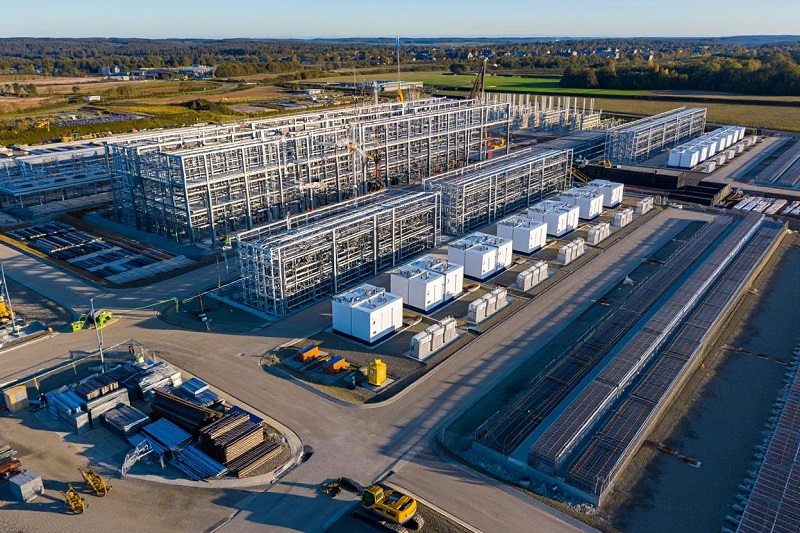
The investment will strengthen Siemens’ domestic manufacturing capacity for electrical equipment used in critical industries, including data centers, semiconductor manufacturing, healthcare facilities, automotive production, and other industrial infrastructure projects.
The expansion reflects the increasing importance of reliable electrical infrastructure as industries accelerate digital transformation, artificial intelligence development, and smart manufacturing deployment.
New Manufacturing Facilities Expand Siemens Electrical Infrastructure Production
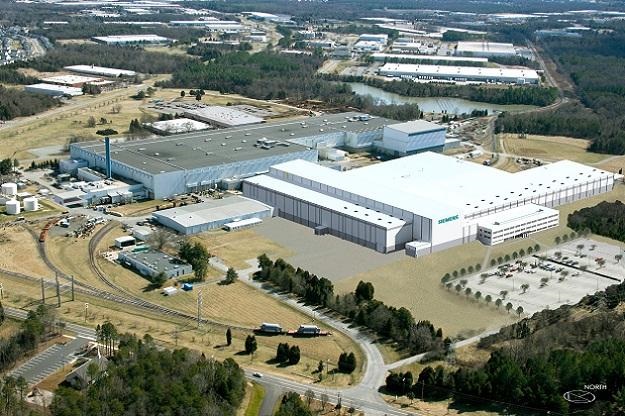
As part of the investment plan, Siemens will develop new manufacturing capabilities in Pendergrass, Georgia, and Grand Prairie, Texas.
The Georgia facility represents the largest portion of the investment, with more than $185 million allocated to a new manufacturing site designed to produce low-voltage electrical infrastructure products and systems.
The Texas project includes an additional $19 million investment to expand production capacity for critical power distribution solutions and strengthen Siemens’ electrical products operations.
Together, the two projects are expected to create more than 1,500 new jobs and increase Siemens’ ability to serve customers across multiple industrial markets.
Supporting the Growth of AI Data Centers and Digital Infrastructure
One of the key drivers behind the investment is the rapid expansion of artificial intelligence infrastructure and cloud computing facilities.
Modern data centers require highly reliable electrical systems capable of supporting:
- High-density computing equipment
- Advanced cooling systems
- Continuous power distribution
- Intelligent energy management
- Reliable backup systems
Siemens’ expanded production capacity will help provide electrical infrastructure solutions needed for next-generation AI data centers and digital facilities.
As artificial intelligence continues increasing demand for computing power, electrical infrastructure has become a critical foundation for global digital development.
Siemens Electrical Technologies Support Industrial Automation Growth
Electrical infrastructure is an essential part of modern industrial automation systems.
Factories increasingly depend on reliable power distribution equipment to operate:
- PLC control systems
- Industrial robots
- Variable frequency drives
- Motion control systems
- Manufacturing execution systems
- Industrial communication networks
Stable electrical systems help manufacturers improve production reliability, reduce downtime, and maintain efficient operations.
Siemens’ investment demonstrates the growing connection between electrical infrastructure, automation technology, and smart manufacturing.
Expanding Production Capacity for Global Industrial Demand
Manufacturing industries worldwide are investing in automation upgrades, electrification projects, and digital transformation.
The demand for advanced electrical equipment continues increasing in sectors such as:
Semiconductor Manufacturing
Semiconductor plants require highly stable power systems to maintain precision production environments.
Automotive Manufacturing
Automotive factories depend on electrical distribution systems to support robotics, automated assembly lines, and intelligent production equipment.
Healthcare Infrastructure
Hospitals and medical facilities require reliable electrical systems for critical equipment operation.
Data Center Industry
AI computing and cloud services require large-scale power infrastructure with high reliability.
Siemens’ expanded manufacturing network is designed to support these growing industrial requirements.
Siemens Continues Investing in Manufacturing and Industrial Innovation
The latest investment builds on Siemens’ broader commitment to expanding manufacturing capabilities in the United States.
The company has invested more than $1 billion in U.S. manufacturing over recent years, focusing on strengthening local production capacity and supporting industrial innovation.
By increasing domestic manufacturing capabilities, Siemens aims to improve supply chain resilience while responding faster to customer demand.
Impact on Industrial Automation Equipment Supply Chain
The expansion of electrical infrastructure manufacturing creates new opportunities for industrial automation suppliers and system integrators.
Future industrial projects are expected to require:
- Electrical distribution equipment
- Industrial control components
- Automation hardware
- Power management systems
- Digital monitoring solutions
- Maintenance and lifecycle services
For global industrial equipment suppliers, understanding infrastructure development trends is essential for supporting customers in smart factory upgrades.
Electrical Infrastructure Becomes a Foundation for Smart Manufacturing
The development of smart factories depends not only on automation software and intelligent machines but also on reliable electrical foundations.
Modern industrial facilities require integration between:
- Power distribution systems
- Automation controllers
- Industrial networks
- Energy monitoring platforms
- Digital management software
Siemens’ investment highlights the increasing role of electrical infrastructure in supporting the next generation of industrial production.