Omron Expands Smart Manufacturing Solutions with Machine Vision, Robotics and Industrial AI Technologies Intelligent Automation, Vision Inspection Systems and Industrial Robotics Drive the Next Generation of Smart Factories
Omron Accelerates Manufacturing Innovation Through Intelligent Automation Technologies
The global manufacturing industry is experiencing rapid changes as companies continue adopting intelligent automation technologies to improve productivity, quality control and production flexibility.
Manufacturers across electronics, automotive, semiconductor, food processing, pharmaceuticals and logistics industries are investing in smart factory solutions to address increasing market demands.
Modern production environments require more than traditional machine automation.
Companies now need systems that can:
- Improve manufacturing accuracy
- Reduce production defects
- Increase operational efficiency
- Support flexible production
- Collect and analyze industrial data
Omron continues expanding its industrial automation solutions by integrating programmable controllers, machine vision technologies, robotics systems, motion control products and industrial artificial intelligence applications.
The development of intelligent manufacturing represents a major shift in industrial automation.
Factories are moving from fixed automation processes toward adaptive production systems where machines can analyze information, make decisions and respond to changing requirements.
Smart Manufacturing Becomes a Major Industrial Development Direction
Manufacturing companies worldwide are facing increasing pressure to improve competitiveness.
Several factors are driving the adoption of smart factory technologies:
- Higher product customization requirements
- Faster production cycles
- Increasing quality standards
- Labor challenges
- Demand for improved efficiency
Smart manufacturing uses connected automation systems to improve production performance.
Modern smart factories combine:
- PLC controllers
- Industrial robots
- Sensors
- Machine vision systems
- Motion control equipment
- Industrial software platforms
These technologies work together to create more intelligent production environments.
By collecting real-time information from manufacturing processes, companies can improve decision-making and optimize operations.
Machine Vision Technology Improves Industrial Quality Control
Machine vision has become one of the most important technologies in modern manufacturing.
Traditional inspection methods often depend on manual checking, which can be affected by human factors.
Industrial vision systems provide automated inspection capabilities with high accuracy and consistency.
Machine vision applications include:
- Product inspection
- Defect detection
- Component identification
- Measurement verification
- Position recognition
- Quality analysis
Advantages include:
- Faster inspection speed
- Improved accuracy
- Reduced production errors
- Consistent quality control
- Lower inspection costs
In industries requiring high precision, machine vision technology has become an essential automation solution.
Industrial Robots Support Flexible Production Systems
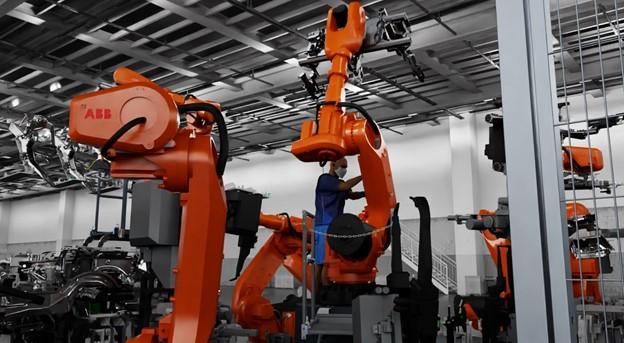
Robotic automation continues transforming manufacturing processes.
Industrial robots are widely used in:
- Assembly
- Packaging
- Material handling
- Inspection
- Precision manufacturing
- Machine tending
Modern robots provide:
- High repeatability
- Fast operation
- Flexible programming
- Improved production efficiency
Unlike traditional automation equipment designed for fixed tasks, modern robotic systems can adapt to different production requirements.
This flexibility is especially valuable for manufacturers producing multiple product models.
Robotics technology allows companies to adjust production processes faster and improve market responsiveness.
PLC Systems Provide Reliable Control for Smart Factories
Programmable Logic Controllers remain the foundation of industrial automation.
In smart manufacturing environments, PLC systems coordinate different automation components.
PLC controllers manage:
- Machine sequences
- Sensor signals
- Robot communication
- Motion control
- Safety operations
Modern PLC platforms also support:
- Industrial networking
- Data collection
- Remote diagnostics
- Integration with digital systems
By connecting PLC systems with intelligent devices, manufacturers can create more efficient and transparent production environments.
Industrial AI Enhances Automation Intelligence
Artificial intelligence is becoming increasingly important in manufacturing automation.
Industrial AI technologies analyze large amounts of production data to identify patterns and improve operations.
Applications include:
Intelligent Quality Inspection
AI improves defect recognition and product analysis.
Predictive Maintenance
AI detects abnormal equipment behavior before failures occur.
Production Optimization
AI helps determine better operating conditions.
Process Improvement
AI analyzes manufacturing data to identify efficiency opportunities.
The combination of AI and automation allows factories to move toward more autonomous operations.
Motion Control Technology Improves Manufacturing Precision
Precision movement is essential in many industrial applications.
Motion control systems support:
- Servo operation
- Position control
- Speed regulation
- Synchronization
- High-accuracy manufacturing
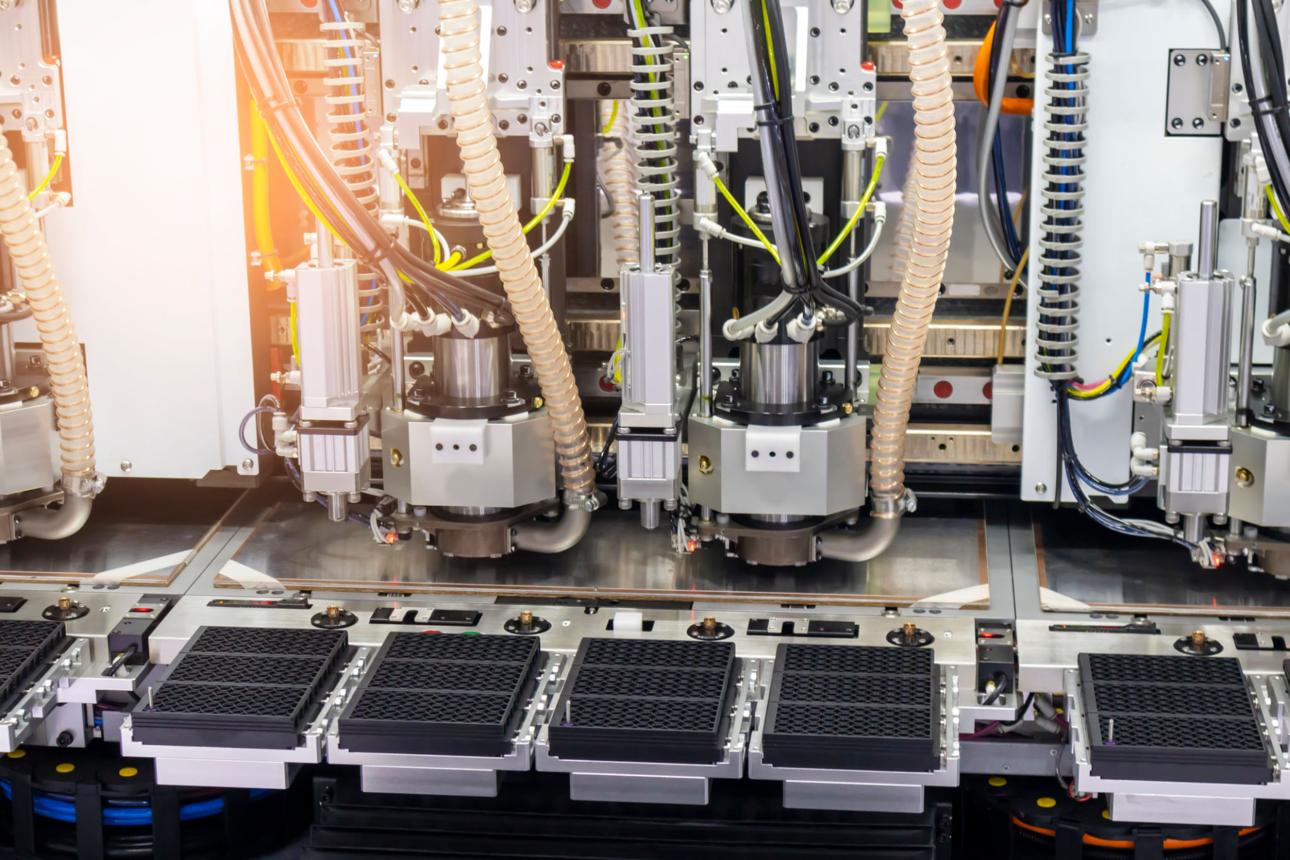
Industries such as electronics and semiconductor production require extremely precise automation.
Advanced motion technologies help manufacturers achieve:
- Higher production accuracy
- Faster machine cycles
- Improved product consistency
When combined with PLC systems and industrial networks, motion control becomes an important part of intelligent manufacturing.
Digital Transformation Connects Production Data and Business Decisions
Modern factories generate large amounts of operational information.
Data comes from:
- Machines
- Sensors
- Controllers
- Inspection systems
- Production equipment
Digital manufacturing platforms help companies analyze this information.
Benefits include:
- Better production planning
- Improved equipment management
- Faster problem identification
- Higher operational efficiency
The connection between automation systems and digital platforms allows companies to make decisions based on real production conditions.
Industrial Communication Supports Connected Automation
Smart factories require reliable communication between multiple automation devices.
Industrial networks connect:
- PLC systems
- Robots
- Vision equipment
- Sensors
- HMIs
- Industrial computers
Reliable communication enables:
- Real-time monitoring
- Faster troubleshooting
- Better system coordination
- Improved production control
As manufacturing becomes more intelligent, communication infrastructure will continue playing a critical role.
Energy Efficiency Becomes an Important Goal for Smart Factories
Manufacturers are increasingly focusing on reducing energy consumption.
Automation technologies support energy optimization through:
- Intelligent machine operation
- Equipment monitoring
- Production analysis
- Automated control
Smart systems can identify inefficient processes and help companies reduce unnecessary energy usage.
Energy-efficient manufacturing improves both sustainability and operational profitability.
Industrial Automation Equipment Demand Continues Increasing
The expansion of smart factories creates strong demand for automation components.
Manufacturers upgrading production systems require:
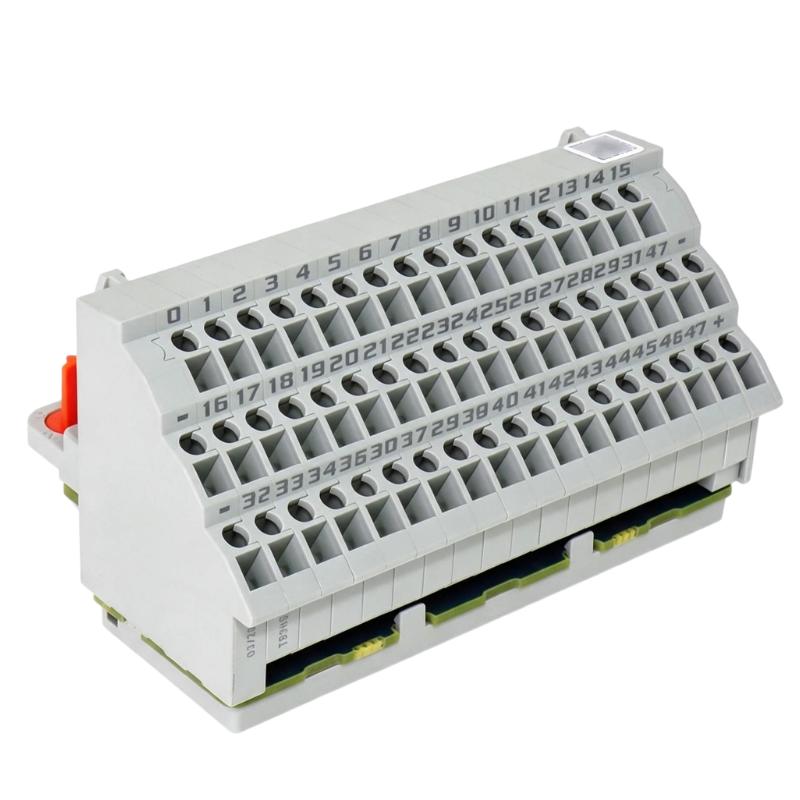
- PLC modules
- Industrial controllers
- Vision sensors
- Robot systems
- Motion control modules
- Communication devices
- HMI panels
- Industrial computers
Many companies choose gradual automation upgrades rather than complete factory replacement.
This creates continuous demand for automation spare parts, replacement equipment and system expansion products.
For global automation suppliers, smart manufacturing development provides long-term market opportunities.
Cybersecurity Requirements Increase in Connected Factories
As automation systems become more connected, cybersecurity becomes increasingly important.
Smart factories must protect:
- Production data
- Industrial networks
- Automation devices
- Remote access systems
Security measures include:
- Access control
- Network protection
- Communication security
- System monitoring
Future smart manufacturing systems must combine intelligence with strong protection.
Future Trends of Intelligent Manufacturing
The future of manufacturing automation will continue developing toward more intelligent and flexible systems.
Key trends include:
AI-Based Production Optimization
Artificial intelligence will improve manufacturing decisions.
Advanced Machine Vision
Vision systems will become more intelligent and accurate.
Collaborative Robotics
Robots will work more closely with human operators.
Autonomous Production
Factories will become more self-adjusting.
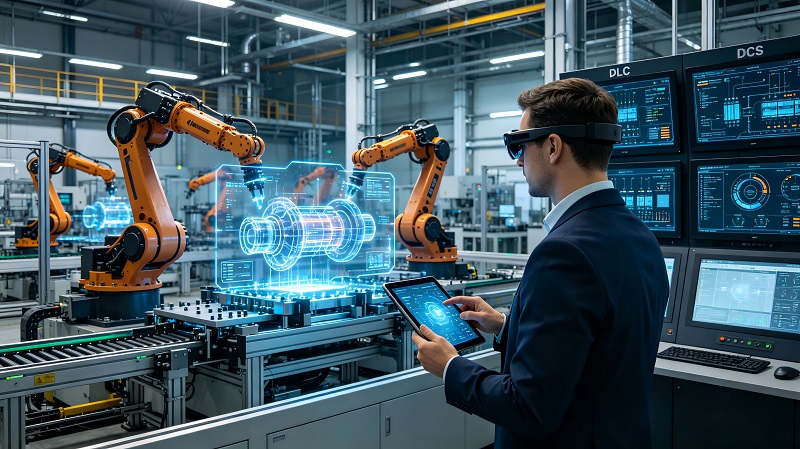
Digital Twin Technology
Virtual simulation will improve engineering efficiency.
These trends will continue shaping the development of Industry 4.0.