Schneider Electric Develops Industrial Edge Computing Solutions to Improve Automation Data Processing Industrial Edge Platforms, IoT Integration and Real-Time Data Analytics Transform Smart Factory Automation
Schneider Electric Advances Industrial Automation Through Edge Computing and Digital Intelligence
The industrial automation industry is entering a new stage of development as manufacturers increasingly focus on real-time data processing, intelligent decision-making and connected production systems.
Modern factories generate enormous amounts of information from PLC controllers, sensors, drives, machines and industrial networks.
However, traditional automation architectures often rely on centralized data processing systems, which can create challenges related to response speed, network load and operational flexibility.
To address these challenges, industrial companies are adopting edge computing technologies that allow data processing closer to production equipment.
Schneider Electric continues developing digital automation solutions by combining industrial edge computing, IoT technologies, automation platforms and intelligent energy management systems.
The integration of edge computing with industrial automation is becoming a major trend in Industry 4.0 development.
Modern manufacturing facilities require systems capable of:
- Processing industrial data in real time
- Improving machine response speed
- Reducing communication delays
- Supporting predictive maintenance
- Enhancing operational visibility
Industrial edge computing is helping companies create faster, smarter and more efficient automation environments.
Industrial Edge Computing Becomes a Key Technology for Smart Factories
Traditional industrial systems typically send large amounts of operational data to centralized servers or cloud platforms.
Although cloud computing provides powerful data processing capabilities, some industrial applications require immediate responses.
Industrial edge computing solves this challenge by processing information closer to machines and field devices.
Edge computing enables:
- Faster data analysis
- Reduced network traffic
- Improved real-time control
- Better data security
- More efficient automation processes
Applications include:
- Manufacturing production lines
- Energy systems
- Water treatment facilities
- Logistics automation
- Process industries
By bringing intelligence closer to industrial equipment, edge computing improves automation performance.
Real-Time Data Processing Improves Industrial Decision-Making
Modern factories depend on accurate and timely information.
Production managers and engineers need real-time visibility into equipment performance and manufacturing conditions.
Industrial edge systems collect information from:
- PLC controllers
- Sensors
- Industrial robots
- Variable frequency drives
- Machine vision systems
- Energy monitoring devices
This data can be analyzed locally to support faster decisions.
Benefits include:
- Immediate equipment response
- Faster fault detection
- Improved production efficiency
- Reduced downtime
Real-time data processing is becoming an important capability for advanced manufacturing systems.
Edge Computing Enhances PLC-Based Automation Systems
PLC systems remain the foundation of industrial automation.
Modern PLC architectures are increasingly integrated with edge computing technologies.
This combination allows automation systems to perform more advanced functions.
PLC and edge integration supports:
- Local data analysis
- Equipment monitoring
- Intelligent control strategies
- Remote diagnostics
- Industrial application management
Instead of sending all information to higher-level systems, edge-enabled automation platforms can process important data directly near the machine.
This improves system performance and reduces unnecessary communication traffic.
Industrial IoT Connects Machines and Digital Platforms
The Industrial Internet of Things (IIoT) is an important part of modern automation development.
IIoT technologies connect industrial equipment through communication networks.
Connected devices include:
- Sensors
- Controllers
- Machines
- Energy systems
- Production equipment
Industrial IoT enables companies to collect valuable operational information.
This information supports:
- Equipment optimization
- Production analysis
- Maintenance planning
- Energy management
When combined with edge computing, IIoT creates powerful industrial data solutions.
Predictive Maintenance Benefits from Edge Analytics
Equipment reliability is one of the most important concerns in industrial production.
Unexpected failures can result in production delays and increased costs.
Edge computing improves predictive maintenance by analyzing equipment information locally.
Industrial systems can monitor:
- Vibration levels
- Temperature changes
- Motor performance
- Operating cycles
- Energy consumption
Early detection of abnormal conditions allows maintenance teams to take action before failures occur.
Benefits include:
- Reduced downtime
- Improved equipment lifespan
- Lower maintenance expenses
- Better production reliability
Industrial Cybersecurity Becomes More Important with Connected Systems
As factories become increasingly connected, cybersecurity requirements continue growing.
Industrial edge devices create new communication points that must be protected.
Security considerations include:
- Device authentication
- Secure communication
- Network protection
- Data management
- Access control
Modern industrial automation requires solutions that combine connectivity with strong security protection.
Cybersecurity is becoming an essential part of smart factory design.
Edge Computing Supports Energy Management and Sustainability
Energy efficiency is becoming a major goal for industrial companies.
Industrial edge technologies help organizations monitor and optimize energy usage.
Applications include:
- Real-time energy monitoring
- Equipment efficiency analysis
- Automated energy control
- Consumption forecasting
By analyzing energy data locally, factories can respond quickly to inefficient operating conditions.
This supports:
- Reduced energy costs
- Improved sustainability
- Better resource utilization
Intelligent energy management will continue becoming more important in future automation systems.
Industrial Communication Networks Enable Edge Automation
Reliable communication infrastructure is essential for industrial edge computing.
Edge systems communicate with:
- PLC controllers
- Remote I/O modules
- Sensors
- Industrial computers
- Cloud platforms
Industrial communication technologies support:
- High-speed data exchange
- Reliable machine connectivity
- Real-time monitoring
- System integration
As automation systems become more intelligent, communication networks will continue serving as a critical foundation.
Smart Manufacturing Creates Demand for Automation Components
The development of edge-based automation systems is increasing demand for industrial technology products.
Companies upgrading their factories require:
- PLC modules
- Industrial computers
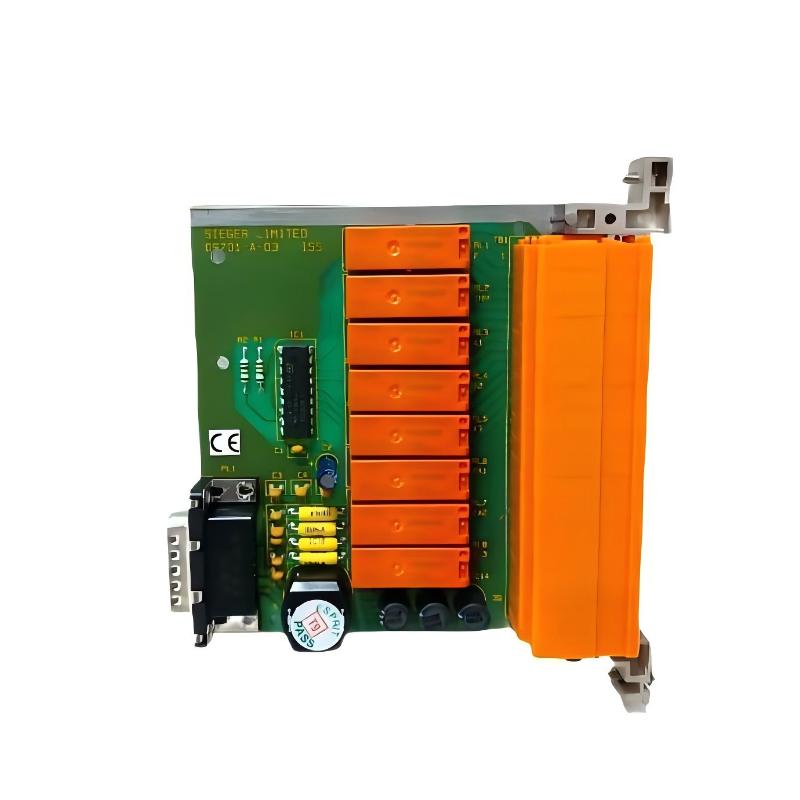
- Edge controllers
- Communication modules
- Remote I/O systems
- Industrial sensors
- HMI devices
Many manufacturers are modernizing existing systems through gradual upgrades.
This creates long-term opportunities for industrial automation suppliers and equipment distributors.
Artificial Intelligence and Edge Computing Create New Automation Possibilities
Artificial intelligence combined with edge computing is opening new opportunities for industrial applications.
AI models running at the edge can analyze production information quickly.
Applications include:
Intelligent Quality Inspection
AI analyzes images and production data locally.
Automated Process Optimization
AI improves machine operation strategies.
Equipment Condition Monitoring
AI detects unusual patterns.
Production Efficiency Analysis
AI identifies improvement opportunities.
The combination of AI and edge computing will accelerate the development of autonomous factories.
Future Trends of Industrial Edge Automation
The future of industrial automation will continue moving toward distributed intelligence.
Important trends include:
More Powerful Edge Controllers
Industrial devices will provide stronger computing capabilities.
AI-Based Edge Applications
Artificial intelligence will become more common in local automation systems.
Greater IT and OT Integration
Industrial systems will become more connected with enterprise platforms.
Improved Industrial Cybersecurity
Security technologies will continue developing.
Autonomous Manufacturing Systems
Factories will become more intelligent and self-optimizing.