Siemens Expands Industrial Automation Solutions with AI-Enhanced PLC Systems and Digital Factory Technologies
Intelligent Controllers, Industrial Edge Computing and Digital Engineering Accelerate the Next Generation of Smart Manufacturing
The global manufacturing industry is entering a new stage of digital transformation as companies continue adopting intelligent automation systems to improve production efficiency, flexibility and operational reliability.
Manufacturers worldwide are facing increasing pressure to optimize production processes while managing challenges such as rising labor costs, supply chain uncertainty and growing demand for customized products.
As a result, industrial automation technologies including programmable logic controllers, industrial communication systems, digital engineering platforms and edge computing solutions are becoming increasingly important.
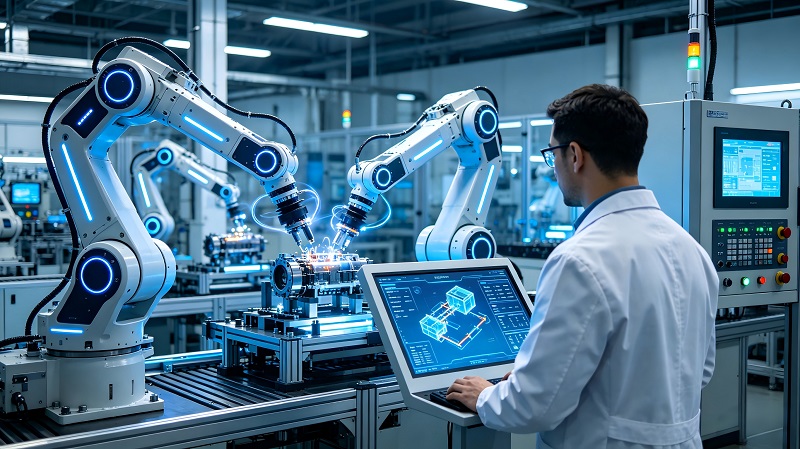
Siemens continues developing advanced industrial automation technologies that combine traditional control engineering with artificial intelligence, industrial software and connected manufacturing systems.
The modern factory is no longer only a place where machines perform repetitive tasks.
Instead, it is becoming a connected ecosystem where production equipment, control systems and digital platforms continuously exchange information.
This transformation is changing how companies design, operate and maintain manufacturing facilities.
PLC Technology Remains the Foundation of Smart Manufacturing
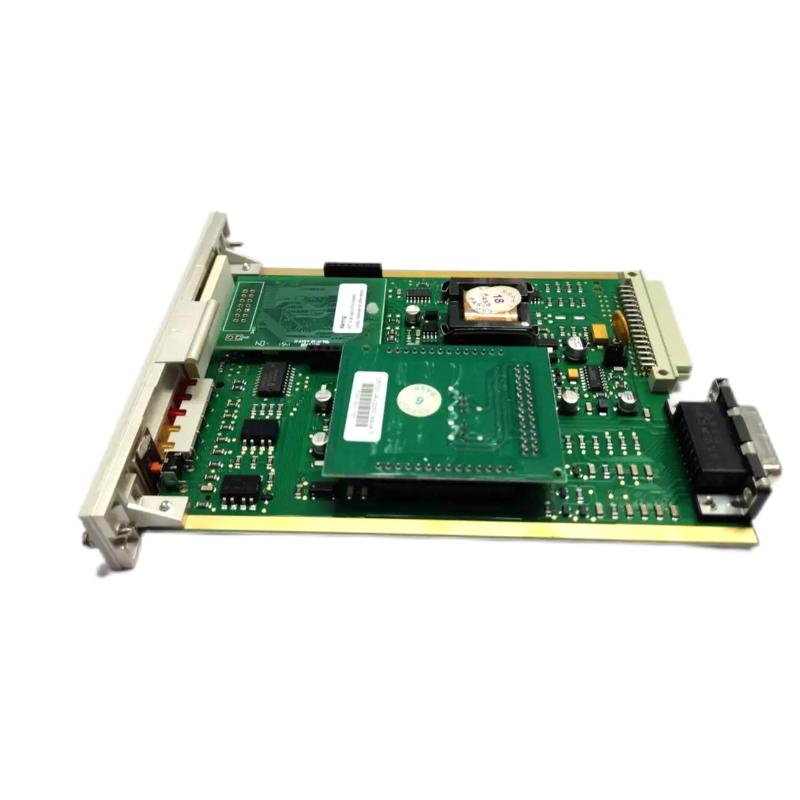
Programmable Logic Controllers remain one of the most important components in industrial automation.
For decades, PLC systems have provided reliable control for manufacturing equipment across industries including:
- Automotive production
- Food and beverage processing
- Chemical manufacturing
- Pharmaceutical production
- Semiconductor manufacturing
- Packaging systems
Modern PLC platforms are evolving beyond traditional machine control.
Today's controllers provide advanced capabilities such as:
- High-speed processing
- Industrial Ethernet communication
- Integrated diagnostics
- Remote monitoring
- Data exchange with industrial software
- Cybersecurity functions
These developments allow PLC systems to become intelligent automation platforms rather than simple control devices.
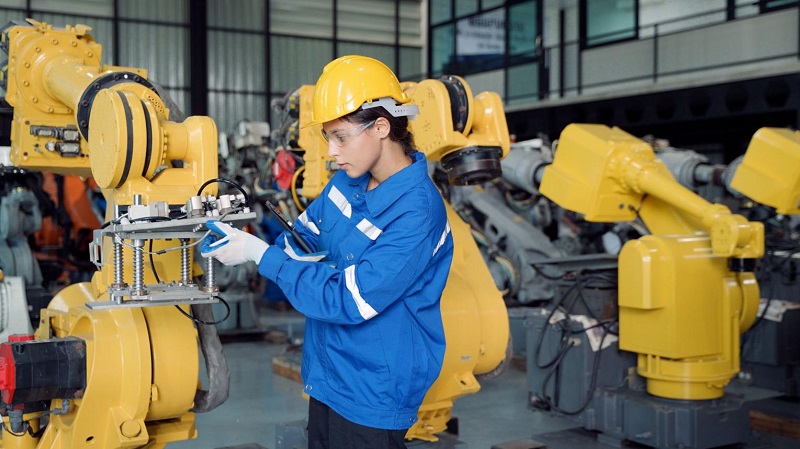
A modern production line may use PLC systems to coordinate robots, sensors, drives, safety equipment and manufacturing software.
Artificial Intelligence Creates New Possibilities for Industrial Automation
Artificial intelligence is becoming an important technology in manufacturing.
Industrial AI can help companies analyze large amounts of production information and identify opportunities for improvement.
Potential applications include:
Predictive Maintenance
AI algorithms can analyze equipment data to detect abnormal operating conditions.
This allows maintenance teams to identify possible failures before they interrupt production.
Quality Optimization
AI-based inspection systems can identify product defects and improve manufacturing consistency.
Process Improvement
AI can analyze production parameters and recommend adjustments.
Energy Optimization
AI can help reduce unnecessary energy consumption by analyzing equipment operation.
The integration of AI with PLC systems creates new opportunities for intelligent manufacturing.
Industrial Edge Computing Improves Real-Time Decision Making
Industrial edge computing is becoming increasingly important as factories generate larger amounts of data.
Traditional automation systems often send information to centralized servers.
However, many industrial applications require immediate responses.
Edge computing allows data processing closer to production equipment.
Advantages include:
- Faster response times
- Reduced network traffic
- Improved reliability
- Better data security
Industrial edge devices can analyze information from:
- PLC controllers
- Sensors
- Drives
- Robots
- Production equipment
This enables faster decisions without depending completely on cloud systems.
Digital Engineering Improves Factory Development
Modern automation projects require efficient engineering processes.
Digital engineering technologies allow manufacturers to design, simulate and optimize automation systems before physical installation.
Benefits include:
- Reduced commissioning time
- Improved project planning
- Lower engineering costs
- Better system reliability
Engineers can create virtual models of machines and production lines before building actual equipment.
This approach helps identify problems earlier and improves overall project efficiency.
Industrial Communication Creates Connected Production Systems
Smart factories depend on reliable communication between different automation devices.
Industrial networks connect:
- PLC systems
- HMIs
- Robots
- Drives
- Sensors
- Industrial computers
Connected systems allow manufacturers to collect valuable information about production performance.
Data can be used for:
- Equipment monitoring
- Production analysis
- Maintenance planning
- Energy management
Industrial communication has become one of the most important foundations of Industry 4.0.
Automation Modernization Creates New Market Opportunities
Many factories around the world are upgrading existing automation systems.
Instead of replacing complete production lines, companies often modernize individual parts.
Typical upgrades include:
- Replacing obsolete PLC modules
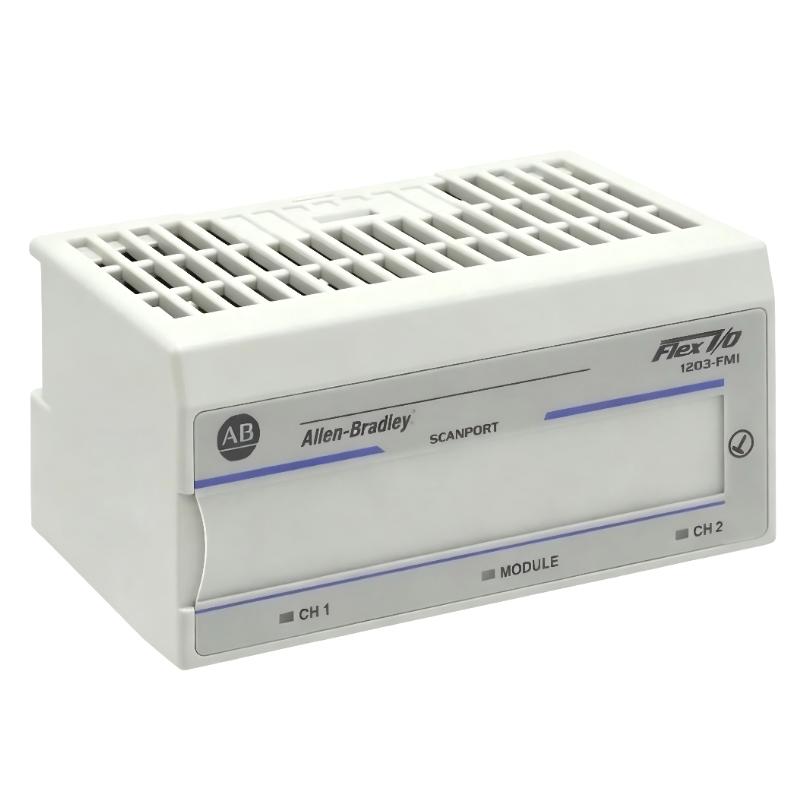
- Adding communication interfaces
- Installing new HMIs
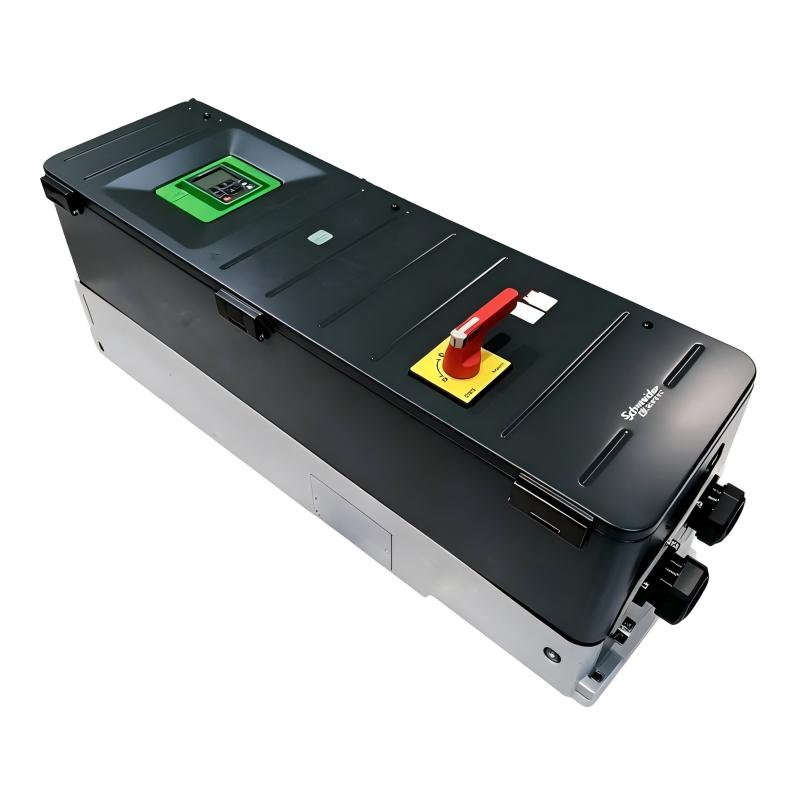
- Upgrading drives
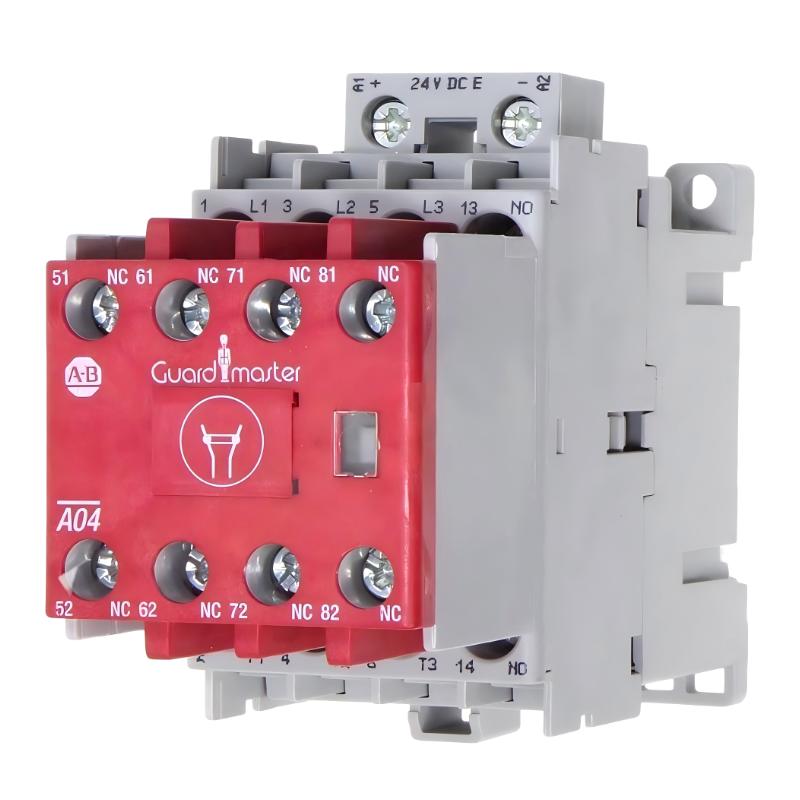
- Improving safety systems
This creates strong demand for industrial automation components.
Global manufacturers, system integrators and equipment suppliers continue investing in modernization projects.
Industrial Cybersecurity Becomes a Key Requirement
As factories become more connected, cybersecurity becomes increasingly important.
Modern automation systems must protect:
- PLC networks
- Industrial communication systems
- Engineering stations
- Remote access connections
Manufacturers are increasingly considering cybersecurity during the design stage.
Security measures include:
- Access control
- Network segmentation
- Secure communication
- Device monitoring
Future automation systems must provide both intelligence and protection.
Sustainable Manufacturing Drives Automation Development
Energy efficiency is becoming a major priority for industrial companies.
Automation technologies help manufacturers reduce energy consumption through:
- Optimized machine operation
- Intelligent control strategies
- Equipment monitoring
- Production scheduling
Smart automation allows companies to understand where energy is consumed and how processes can be improved.
Sustainable manufacturing is becoming an important competitive advantage.
Future Outlook of Industrial Automation
The future of industrial automation will focus on deeper integration between:
- PLC technology
- Artificial intelligence
- Industrial software
- Edge computing
- Robotics
- Digital engineering
Factories will become more flexible, intelligent and connected.
Automation systems will not only control equipment but also support decision-making and continuous improvement.