Siemens Expands Access to Refurbished Automation Products Through New Digital Partnership
Siemens is expanding access to refurbished industrial automation equipment through a new partnership with Sparepartsnow, creating another channel for customers looking for Siemens automation products while supporting a more circular approach to industrial equipment management.
The partnership, announced on September 9, 2026, combines Siemens' refurbishment capabilities with Sparepartsnow's digital marketplace. The initiative is particularly relevant to manufacturers operating mature automation systems where replacing a discontinued or difficult-to-source component can be a significant maintenance challenge.
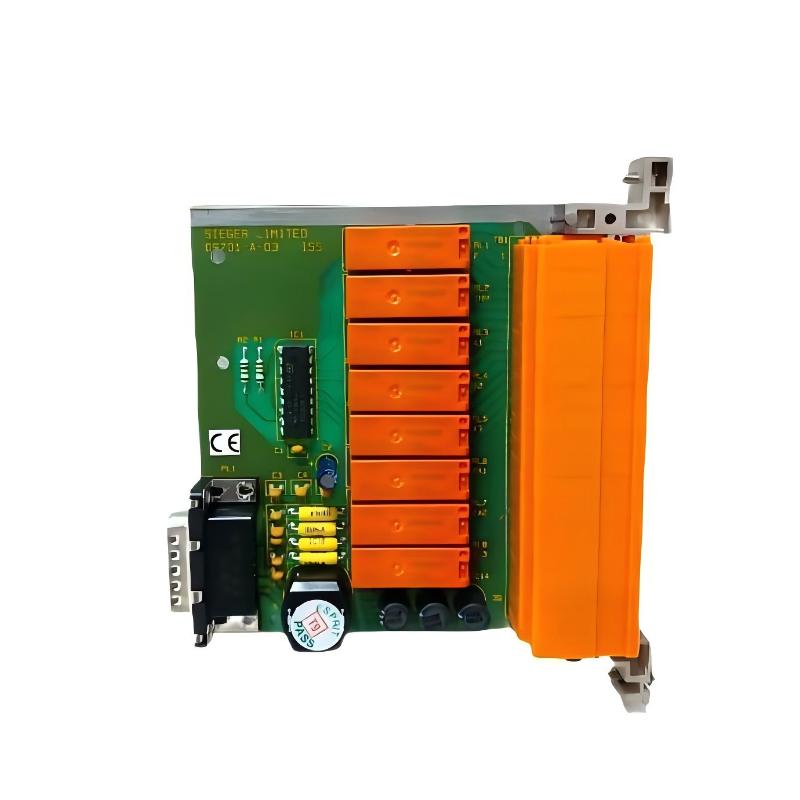
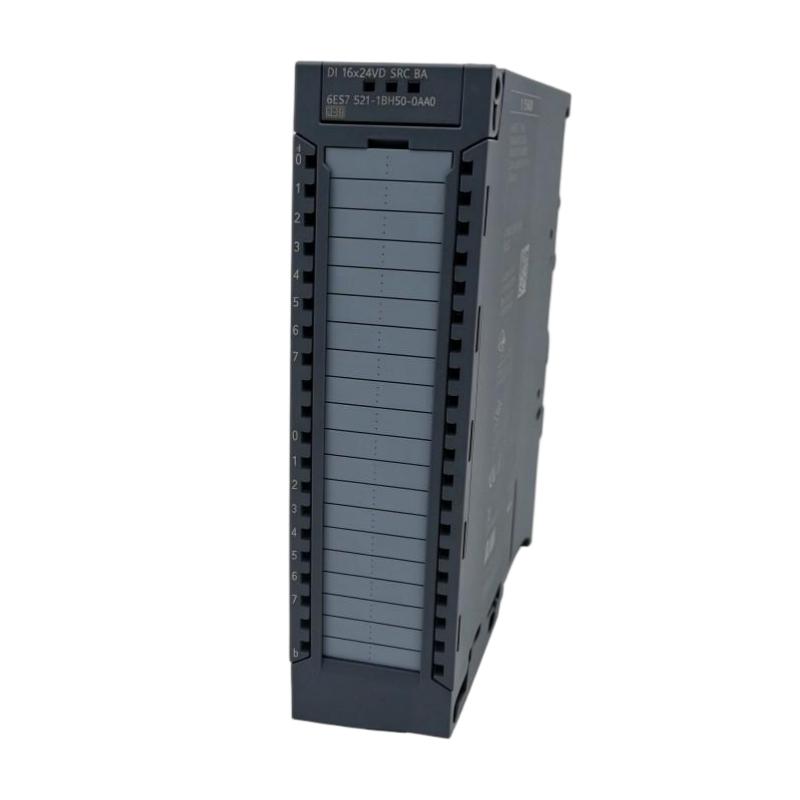
For industrial plants, the availability of reliable replacement equipment is not simply a purchasing issue. PLC modules, communication processors, power supplies, drives, operator panels and other automation components can remain in service for many years. When a particular component becomes unavailable through conventional distribution channels, a properly refurbished unit can provide an alternative path for maintaining existing equipment.
Refurbished Automation Equipment Has a Practical Role in Industry
Industrial automation systems are normally designed for long service lives.
A manufacturing facility may continue using a PLC platform or distributed automation architecture for many years after the original installation. The control system may still perform reliably, while some individual components become difficult to obtain because product generations have changed.
This creates a challenge for maintenance departments.
Replacing an entire automation system can require engineering changes, software migration, panel modifications, commissioning and production downtime. In some cases, a complete modernization project may be appropriate. In other cases, the immediate requirement is simply to replace one failed module and restore production.
Refurbished equipment can be useful in this situation.
The objective is not merely to provide a used component. The more important issue is whether the equipment has been properly assessed, refurbished and verified against appropriate technical requirements.
Siemens says the new partnership combines its refurbishment expertise with Sparepartsnow's digital reach, providing customers with access to refurbished products that meet the original manufacturer's technical specifications and performance characteristics.
Supporting Existing Siemens Automation Installations
The partnership is particularly relevant to plants with established Siemens automation systems.
Industrial control architectures can contain large numbers of individual components. A typical automation installation may include CPUs, digital and analog I/O modules, communication interfaces, power supplies, industrial networking components, HMI devices and drive equipment.
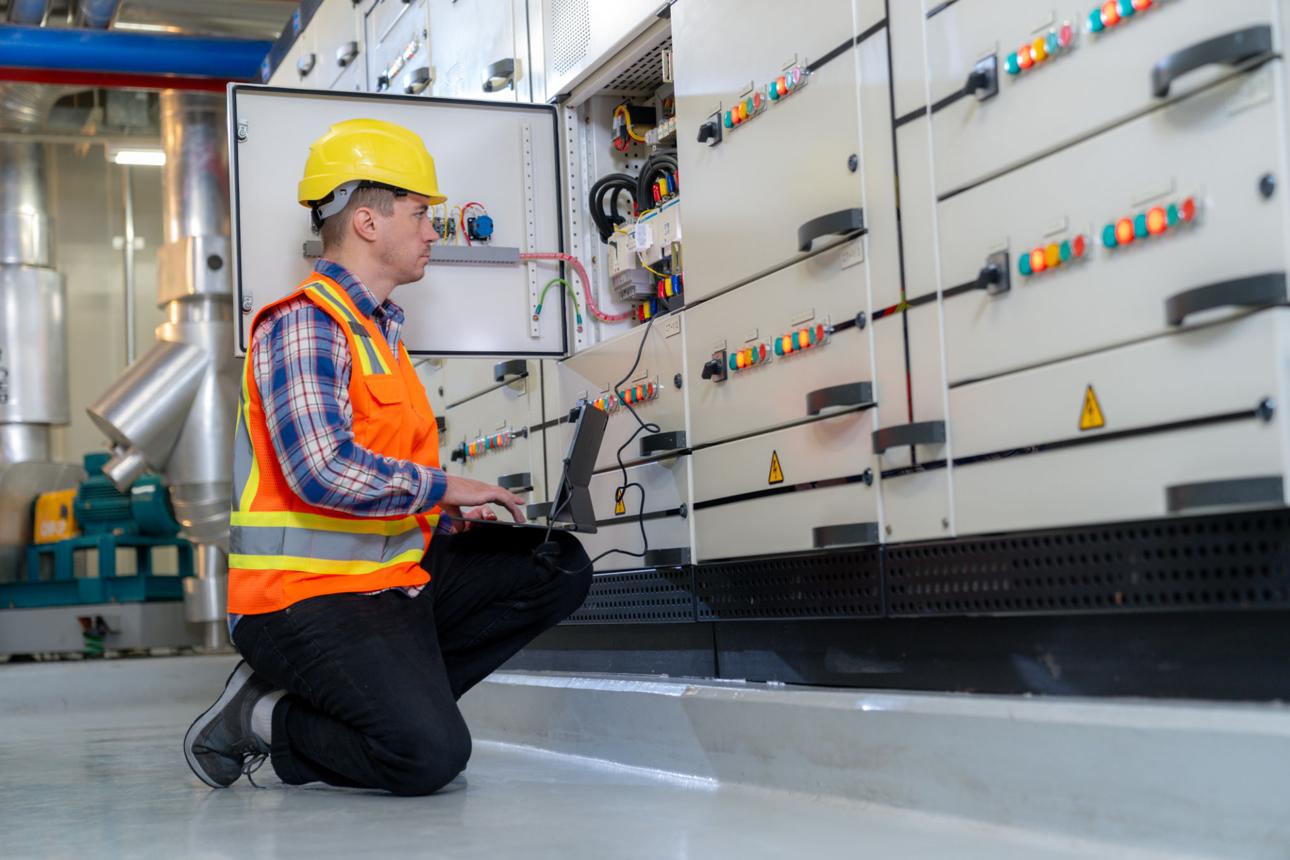
A failure in one of these components can interrupt production even when the rest of the system remains fully operational.
Having access to replacement equipment can therefore reduce the time required to restore a system.
For maintenance teams, compatibility is one of the most important considerations.
A replacement component needs to match the installed system not only in terms of physical installation but also with regard to firmware, communication compatibility, electrical characteristics and application requirements.
This is why manufacturer-backed refurbishment can be attractive compared with an unknown second-hand component.
Circularity Becomes More Important in Industrial Automation
The partnership also reflects a broader trend toward circularity in industrial equipment.
Industrial sustainability is often discussed in terms of energy efficiency, renewable electricity and carbon reduction. However, extending the useful life of existing equipment can also contribute to resource efficiency.
An automation component that can be professionally refurbished and returned to service does not necessarily need to be replaced by a newly manufactured equivalent.
This approach can potentially reduce material consumption and extend the productive life of industrial assets.
For mature factories, circular equipment management can therefore complement modernization strategies.
A plant does not have to choose between maintaining old equipment and pursuing digital transformation as two completely separate strategies. It can modernize critical areas while continuing to maintain suitable legacy equipment elsewhere.
Why Original Technical Specifications Matter
Industrial automation equipment operates in environments where reliability is critical.
A PLC module may control a production process. A communication module may connect remote I/O to a central controller. A drive may regulate the speed of a production motor.
A failure can have consequences far beyond the component itself.
For this reason, refurbishment quality matters.
According to Siemens, refurbished products offered through the partnership are intended to meet the original manufacturer's technical specifications and performance characteristics.
This is an important distinction for industrial customers because visual condition alone does not provide enough information about the reliability of an automation component.
A professional refurbishment process can include inspection, testing, repair or replacement of appropriate components, configuration checks and functional verification.
The exact process depends on the product category and equipment condition.
Refurbished PLC Modules Can Help Reduce Downtime
PLC systems are particularly sensitive to component availability.
A failed CPU, communication processor or I/O module can stop an automated machine or production line. If an exact replacement is no longer available through normal inventory channels, maintenance engineers may face extended downtime.
A refurbished replacement can provide another option.
For example, a plant may have a mature Siemens PLC installation with a large installed base of modules. Replacing a single defective module with a compatible refurbished unit may allow the existing program and control architecture to remain unchanged.
This can be significantly simpler than redesigning the entire control system during an emergency maintenance event.
However, engineers should always verify exact model numbers, hardware revisions, firmware requirements and application compatibility before replacement.
Inventory Strategy for Long-Lifecycle Automation Systems
The partnership also has implications for spare-parts planning.
Many industrial companies maintain critical spare parts because they know certain components can have long procurement lead times.
A digital marketplace for refurbished equipment can expand the potential sources available to maintenance departments.
Instead of relying exclusively on newly manufactured products, a plant may consider several categories of inventory:
New original equipment
Manufacturer-refurbished equipment
Professionally refurbished equipment
Previously used equipment with appropriate testing
Emergency replacement stock
The correct approach depends on the criticality of the application.
For a safety-critical or highly sensitive process, maintenance requirements may be more restrictive. For less critical applications, refurbished equipment can provide greater flexibility.
Digital Marketplaces Change How Industrial Spare Parts Are Sourced
Industrial spare-parts procurement has traditionally depended heavily on established distributors and local inventories.
Digital marketplaces are changing this model by allowing buyers to search for specific components across broader inventories.
This can be particularly useful for older automation products.
A maintenance engineer searching for a particular Siemens module can potentially identify available stock without contacting multiple suppliers individually.
The challenge, however, is maintaining confidence in product authenticity, technical condition and traceability.
A digital marketplace therefore becomes more valuable when product quality and refurbishment standards are clearly defined.
Refurbishment and Modernization Can Work Together
Refurbished automation equipment should not be viewed as an alternative to modernization in every situation.
Modernization remains important when an existing control platform has reached the end of its practical service life, lacks required functionality or presents increasing cybersecurity and maintenance risks.
However, modernization projects can require significant planning.
A manufacturer may need to migrate PLC programs, update HMI systems, redesign communication networks, modify electrical panels and conduct extensive commissioning.
During this process, refurbished equipment can still have a role.
It can be used to maintain production equipment that is not yet scheduled for modernization or provide backup components during a phased migration.
This creates a more practical transition strategy.
Benefits for Maintenance and Engineering Teams
For maintenance engineers, the most immediate benefit of a reliable refurbished equipment channel is flexibility.
When a critical automation component fails, the priority is usually to restore production safely and correctly.
Having access to professionally refurbished equipment can increase the number of possible replacement options.
It may also support planned maintenance.
Instead of waiting for a failure, engineering teams can purchase tested replacement components and keep them in controlled spare-parts inventory.
This can reduce the risk associated with unexpected component shortages.
A Broader Trend Toward Industrial Equipment Lifecycle Management
The Siemens and Sparepartsnow partnership highlights a broader change in industrial automation.
Manufacturers are increasingly thinking about automation equipment across its entire lifecycle rather than treating installation and replacement as separate events.
Lifecycle management can include preventive maintenance, spare-parts planning, refurbishment, modernization, cybersecurity updates and eventual system replacement.
This approach is particularly important for factories with large installed automation bases.
A mature automation system may contain thousands of components accumulated over decades. Managing these assets effectively requires a combination of technical knowledge, inventory planning and lifecycle strategy.
Conclusion
Siemens' partnership with Sparepartsnow expands access to refurbished Siemens automation products through a digital marketplace while supporting a more circular approach to industrial equipment management.
For manufacturers operating long-lived PLC, HMI, networking and automation systems, the availability of professionally refurbished components can provide another option for maintaining production equipment and managing spare-parts requirements.
The initiative also illustrates an important point about industrial sustainability: extending the useful life of reliable equipment can be part of a broader circular manufacturing strategy.
For automation engineers, the key remains technical verification. Correct model identification, compatibility, testing and application requirements should always be confirmed before a refurbished component is installed.
As industrial automation systems continue to operate for long periods, professional refurbishment is likely to remain an important part of the wider automation equipment lifecycle.