Siemens Industrial AI and Automation Technologies Accelerate the Future of Smart Manufacturing
Siemens Advances Industrial Automation Through Artificial Intelligence
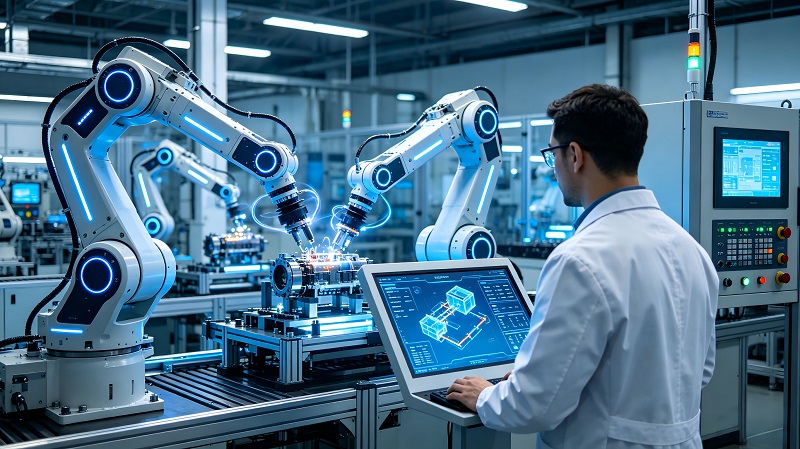
The manufacturing industry is experiencing a major transformation driven by artificial intelligence, industrial software, and automation technologies.
Modern factories are no longer focused only on increasing production speed. Manufacturers now require intelligent systems that can analyze data, optimize processes, reduce energy consumption, and improve equipment reliability.
Siemens has continued expanding its industrial digitalization strategy by combining automation engineering, industrial software, artificial intelligence, and data-driven solutions.
The company’s recent industrial automation development highlights an important trend: AI is becoming increasingly integrated into traditional manufacturing environments.
For PLC engineers, automation professionals, and industrial system integrators, the combination of automation control and artificial intelligence represents a significant evolution of factory technology.
From Traditional Automation to Intelligent Manufacturing
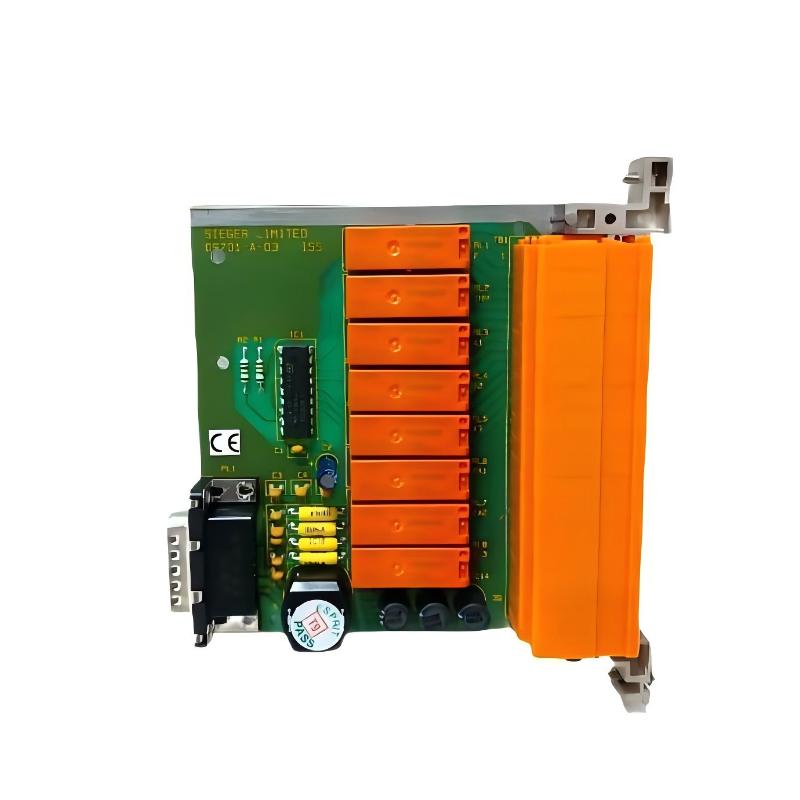
For decades, PLC systems, industrial networks, and control technologies have provided the foundation of modern manufacturing.
A traditional automated production line usually includes:
- PLC controllers
- HMI systems
- Industrial communication networks
- Servo drives
- Sensors
- Robotics systems
These technologies allow machines to perform programmed operations with high accuracy.
However, modern factories generate enormous amounts of operational data every day.
The challenge is no longer only collecting data but using this information effectively.
Artificial intelligence provides new possibilities by helping manufacturers:
- Predict equipment failures
- Optimize production parameters
- Improve product quality
- Reduce energy consumption
- Increase manufacturing flexibility
Siemens Connects Automation and Industrial AI
Siemens focuses on connecting the physical production environment with digital technologies.
The company's industrial ecosystem combines:
- Automation hardware
- Engineering software
- Industrial data platforms
- Simulation technologies
- AI applications
This approach allows manufacturers to create a digital connection between machines, production processes, and business decisions.
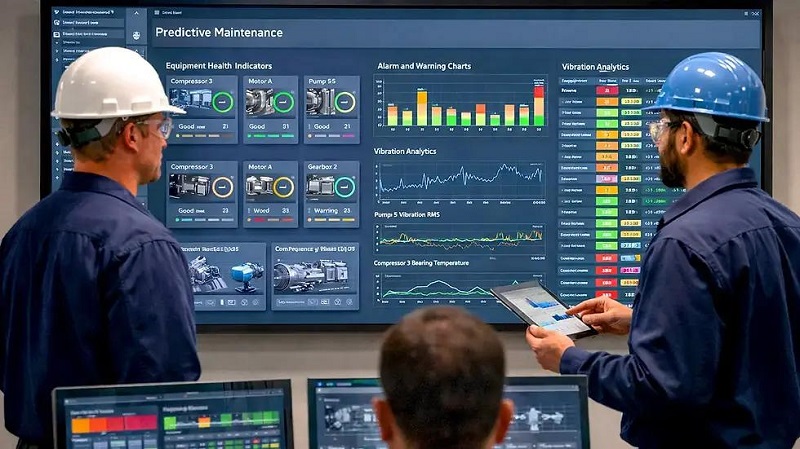
For example, production equipment can provide operational data that AI algorithms analyze to identify abnormal conditions before failures occur.
This supports predictive maintenance strategies and reduces unexpected downtime.
AI Applications in PLC and Factory Automation
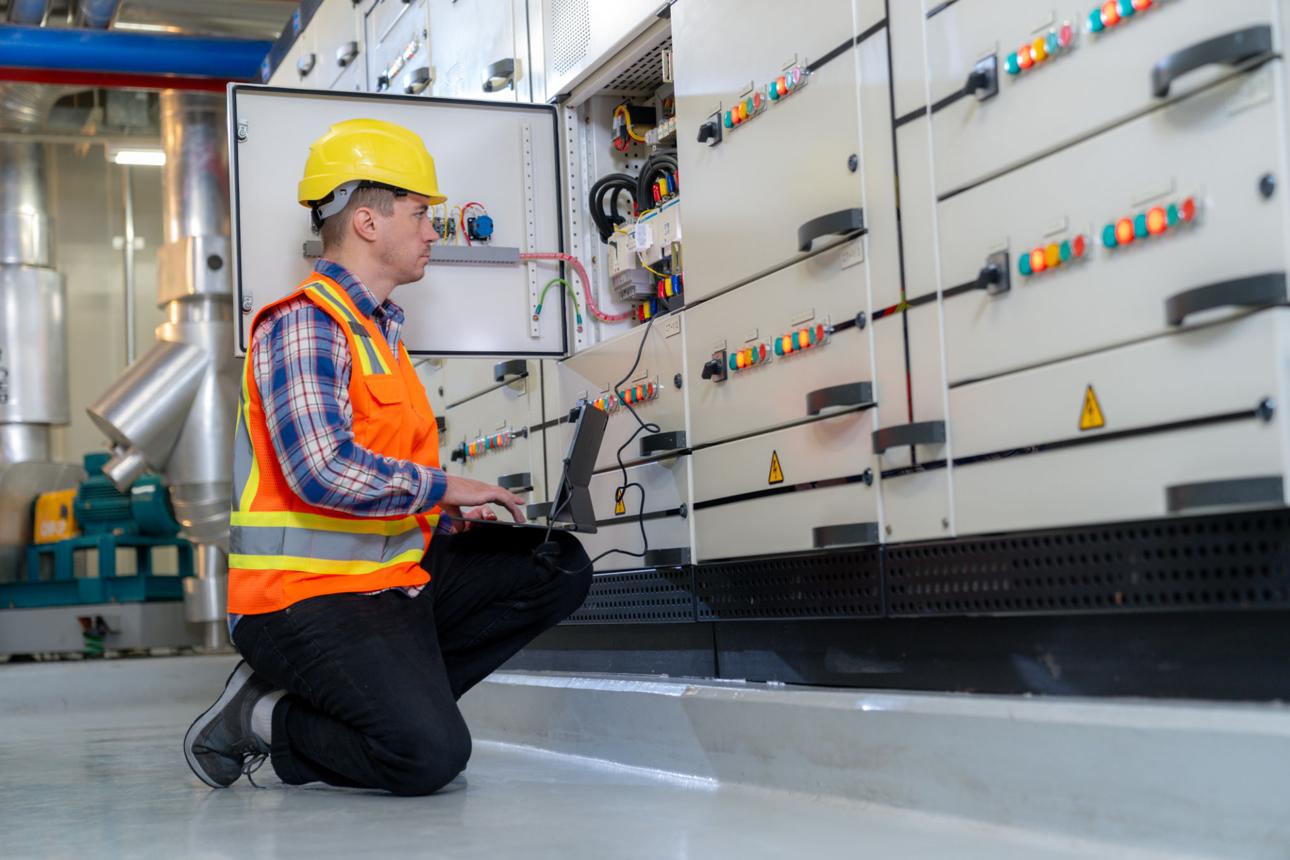
The integration of AI does not replace PLC control systems. Instead, AI works together with existing automation architectures.
PLC systems remain responsible for:
- Real-time machine control
- Safety operations
- Deterministic processing
AI technologies provide additional intelligence for:
- Optimization
- Analysis
- Prediction
- Decision support
This combination creates a new automation architecture where control systems and intelligent software cooperate.
Smart Manufacturing Requires Digital Transformation
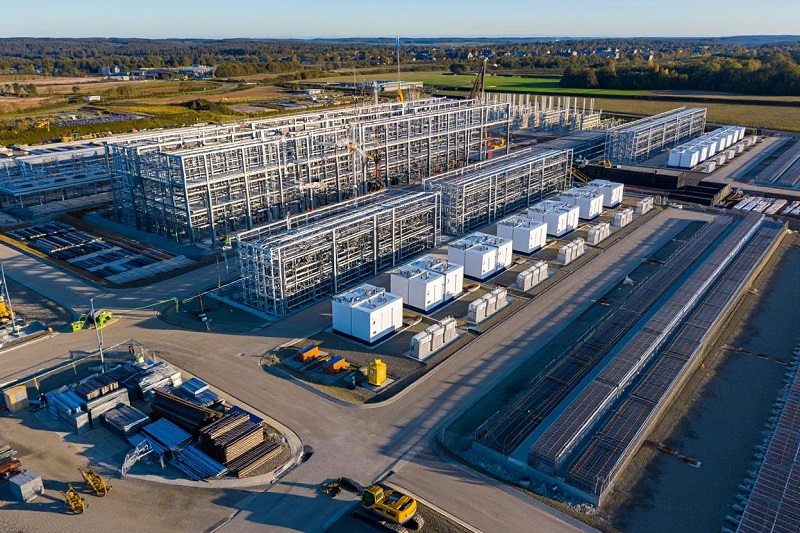
Manufacturers worldwide are investing in smart factory technologies because global competition requires higher efficiency and flexibility.
Important smart manufacturing trends include:
Digital Twin Technology
Digital twins allow engineers to simulate production processes before implementing changes.
Benefits include:
- Faster engineering
- Reduced commissioning time
- Lower project risks
Industrial Edge Computing
Edge technology allows data processing closer to machines.
Advantages include:
- Faster response
- Reduced network load
- Improved real-time analysis
Industrial Cybersecurity
As factories become more connected, cybersecurity becomes increasingly important.
Modern automation systems require protection against:
- Unauthorized access
- Network threats
- Data security risks
Opportunities for Automation Engineers and Equipment Suppliers
The development of industrial AI creates new requirements for automation professionals.
Future automation engineers need knowledge in:
- PLC programming
- Industrial communication
- Data analysis
- Network technology
- Digital manufacturing concepts
For industrial automation suppliers, demand is also expanding beyond traditional hardware sales.
Customers increasingly require:
- Automation components
- System integration
- Maintenance services
- Technical support
- Digital solutions
The Future Relationship Between PLC and AI
PLC technology will continue to remain a core component of industrial automation.
The future factory will not be controlled by AI alone.
Instead, the industrial architecture will combine:
PLC + Industrial Network + Edge Computing + AI + Cloud Platform
This integrated model provides both reliable machine control and intelligent optimization.
Siemens' industrial strategy reflects this direction by connecting automation engineering with digital technologies.
Conclusion
Industrial AI is becoming one of the most important development directions in manufacturing automation.
The combination of Siemens automation technology, PLC systems, industrial software, and artificial intelligence is helping manufacturers build more flexible and efficient smart factories.
For companies involved in PLC, automation, and DCS industries, understanding AI-driven automation trends will be essential for future business development.