ABB Robotics and AI Automation Technologies Drive the Next Generation of Intelligent Manufacturing
Industrial Robotics Enters a New Intelligent Automation Era
Industrial robotics has become one of the fastest-growing areas in manufacturing automation.
From automotive production to electronics assembly, logistics, and precision manufacturing, robots are helping companies improve productivity, quality, and operational efficiency.
However, the next generation of robotics is moving beyond traditional programmed motion.
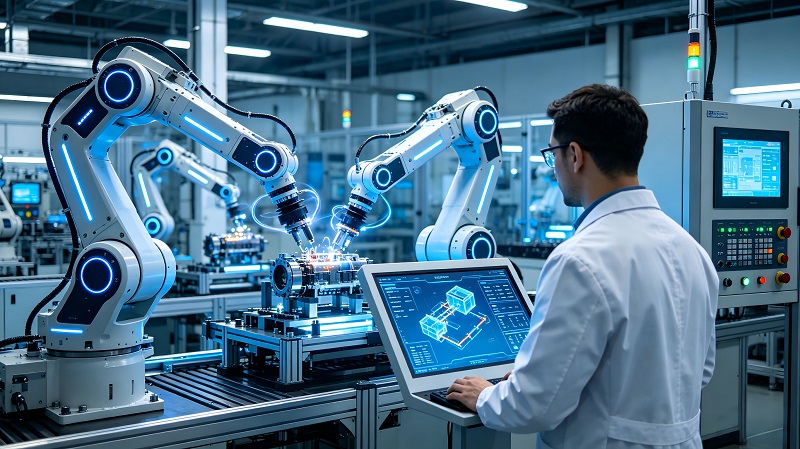
Artificial intelligence, machine vision, and advanced software are transforming industrial robots into more flexible and intelligent systems.
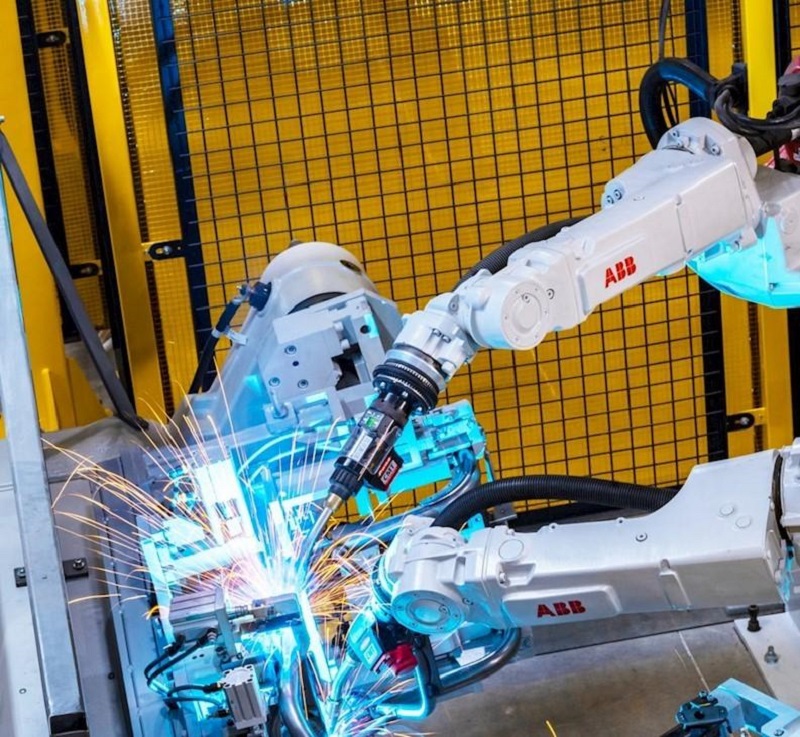
ABB Robotics continues developing automation solutions that combine robotics, digital technologies, and intelligent control methods to support modern manufacturing requirements.
The Evolution of Industrial Robots
Traditional industrial robots are designed to perform specific tasks repeatedly.
Typical applications include:
- Welding
- Assembly
- Material handling
- Painting
- Packaging
These robots provide excellent repeatability and speed.
However, modern manufacturing requires greater flexibility.
Factories today often produce multiple product models and need faster production adjustments.
AI-powered robotics provides new capabilities, including:
- Object recognition
- Adaptive movement
- Intelligent decision-making
- Automated quality inspection
AI Improves Robot Performance
Artificial intelligence is changing how robots interact with production environments.
With advanced sensors and vision systems, robots can better understand their surroundings.
For example:
A traditional robot may require precise positioning of every component.
An intelligent robot equipped with AI vision can identify different objects and adjust movements automatically.
This improves manufacturing flexibility and reduces programming requirements.
ABB Robotics Supports Smart Factory Development
ABB robots are widely used in industrial applications worldwide.
Modern robotic solutions focus on:
- Higher efficiency
- Easier programming
- Improved safety
- Better integration with factory automation systems
Robots are increasingly connected with:
- PLC controllers
- Manufacturing execution systems
- Industrial networks
- Digital platforms
This creates a complete automation ecosystem.
Robot Integration With PLC and Automation Systems
For industrial automation engineers, robot integration is becoming increasingly important.
A modern automated production line often includes:
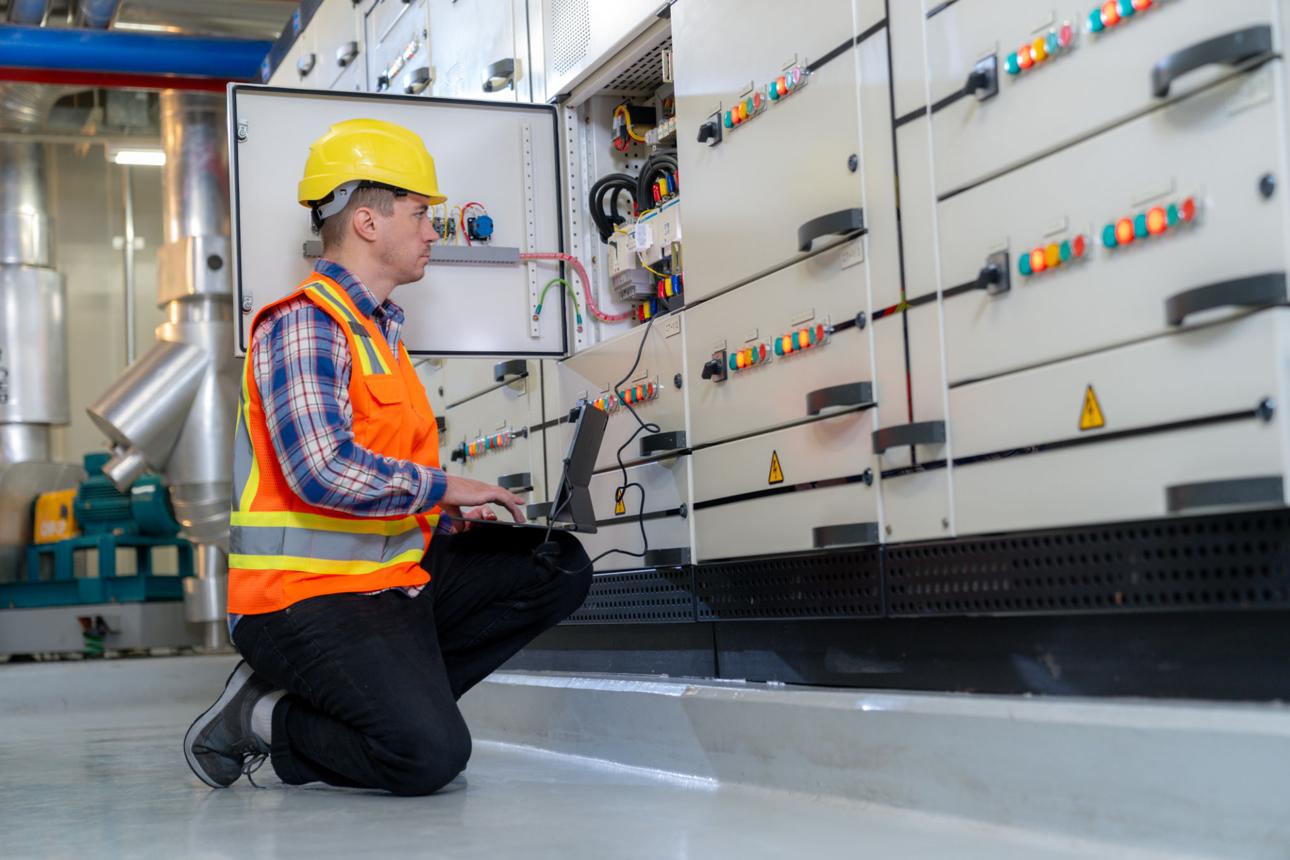
- PLC control system
- Robot controller
- Servo drive system
- Safety system
- Sensors
- Industrial communication network
The PLC manages production logic while robots execute mechanical operations.
Reliable communication between these systems is essential.
Common industrial communication technologies include:
- PROFINET
- Ethernet/IP
- Industrial Ethernet
- Fieldbus systems
Why Manufacturers Invest in Intelligent Robotics
Companies are adopting intelligent robotics because of several important factors.
Increased Production Efficiency
Robots can operate continuously with stable performance.
Improved Product Quality
Automation reduces human errors and improves consistency.
Labor Optimization
Robots help manufacturers handle repetitive and difficult tasks.
Flexible Manufacturing
AI-based systems allow faster adaptation to production changes.
Future Trends of Industrial Robotics
The future development of robotics will focus on several areas:
Collaborative Robots
Collaborative robots are designed to work closer with human operators.
AI-Based Vision Systems
Machine vision will become more intelligent and accurate.
Autonomous Manufacturing
Factories will increasingly use connected systems that automatically optimize production.
Cloud and Data Integration
Robot operation data will support maintenance and production improvement.
Impact on Global Automation Industry
The growth of intelligent robotics creates opportunities throughout the automation supply chain.
Demand is increasing for:
- Robot spare parts
- Servo systems
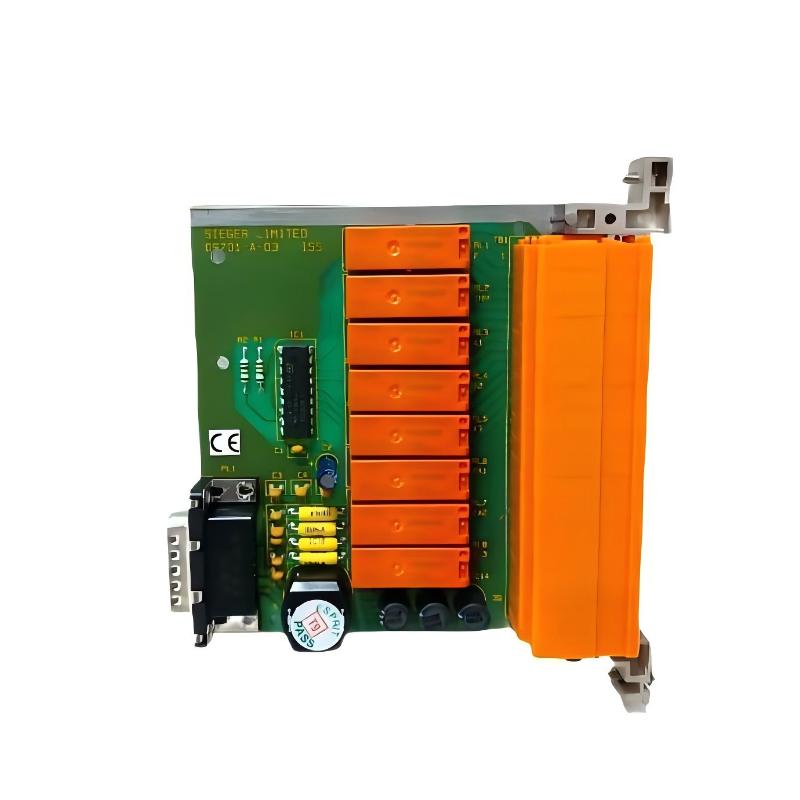
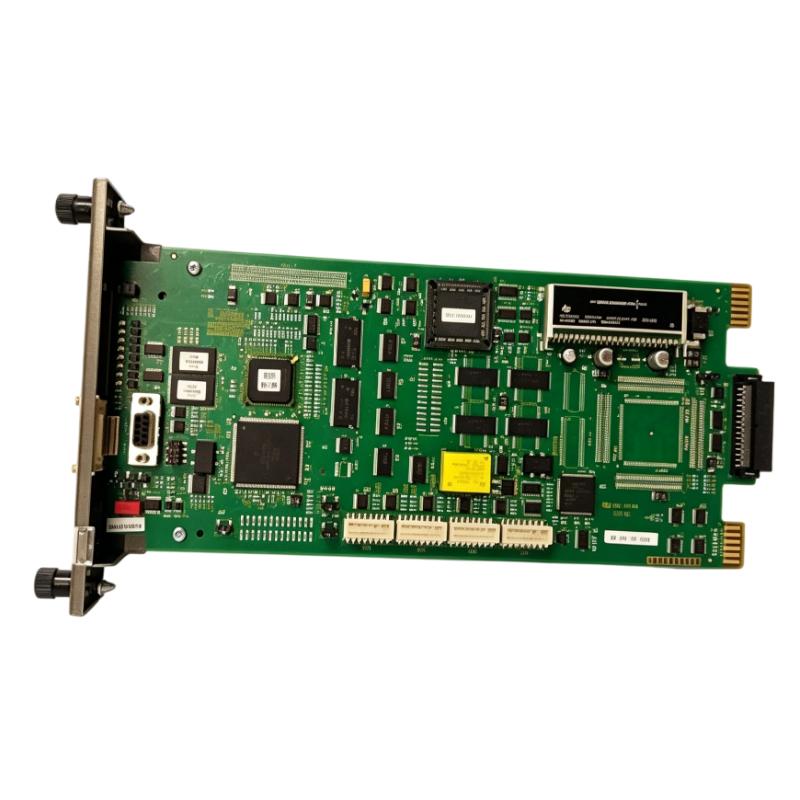
- PLC modules
- Industrial sensors
- Control components
- Maintenance services
Automation companies that understand robotics trends can better support customers worldwide.
Conclusion
ABB Robotics and AI-driven automation technologies represent the future direction of intelligent manufacturing.
Industrial robots are evolving from simple mechanical devices into connected, intelligent automation systems.
For PLC engineers, automation suppliers, and industrial equipment distributors, robotics integration will become an increasingly important part of the global automation market.
As factories continue moving toward smart manufacturing, intelligent robotics will play a key role in improving efficiency, flexibility, and competitiveness.