Siemens Advances Industrial AI with PLC Engineering and AI-Based Manufacturing Automation
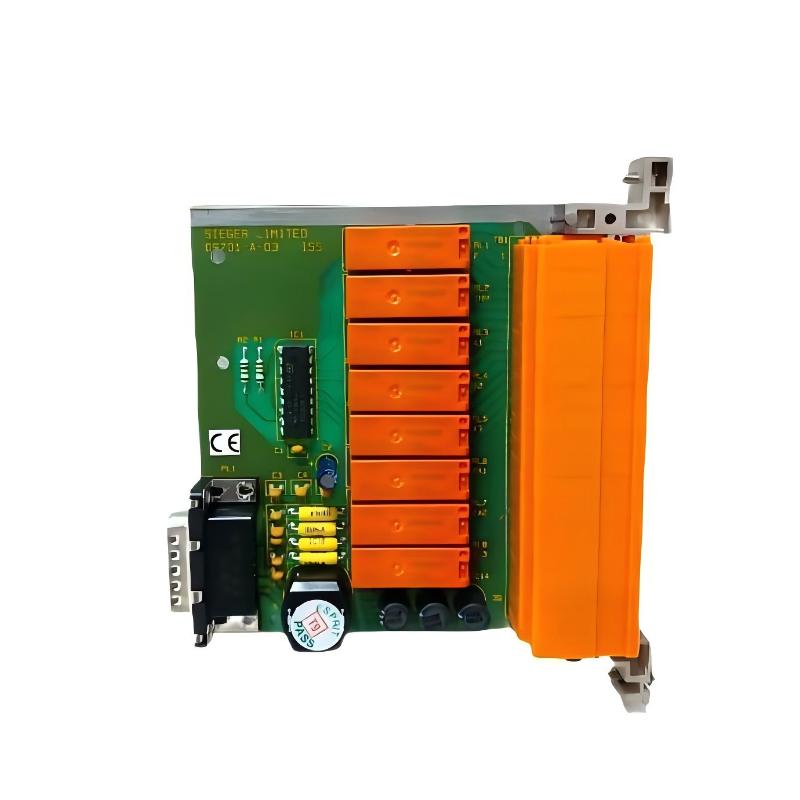
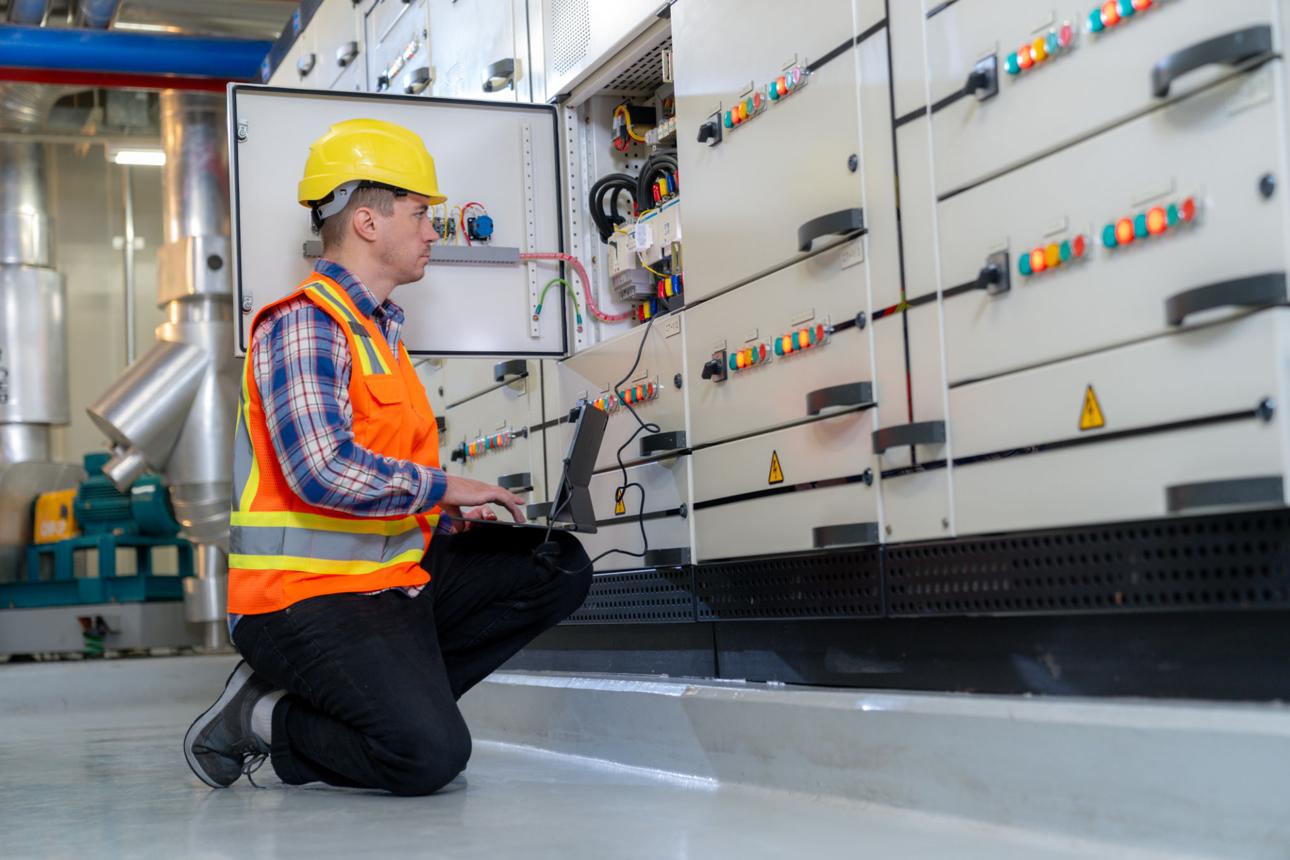
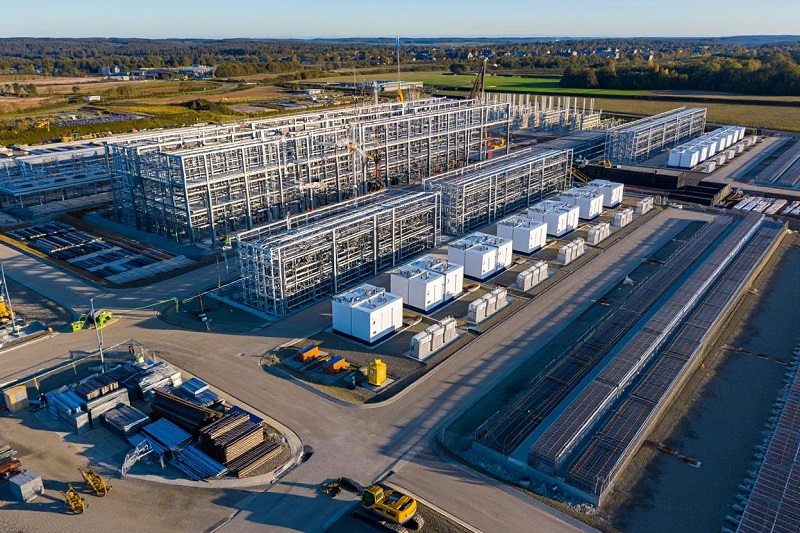
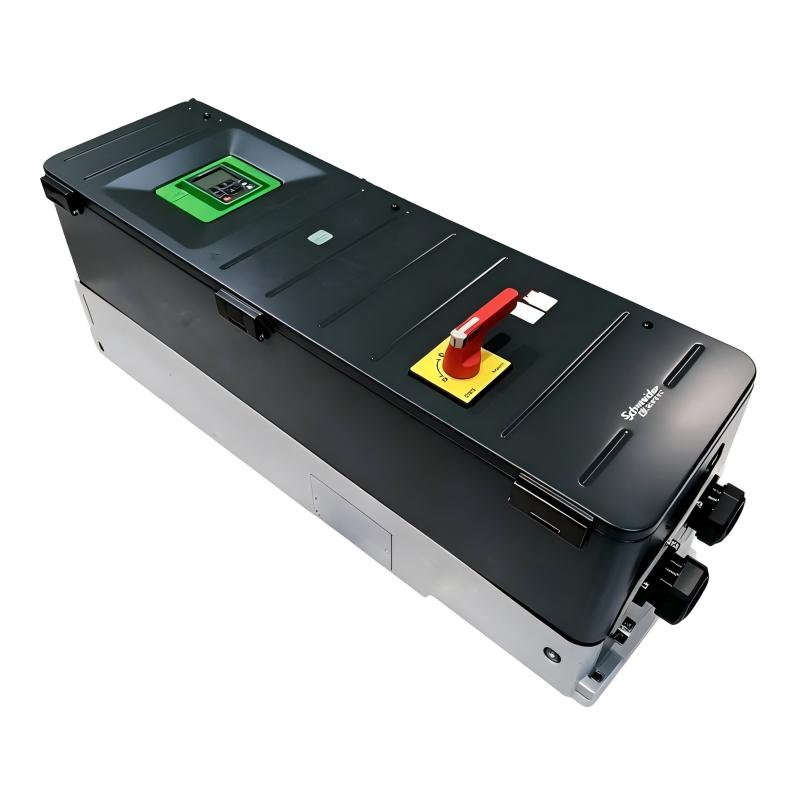
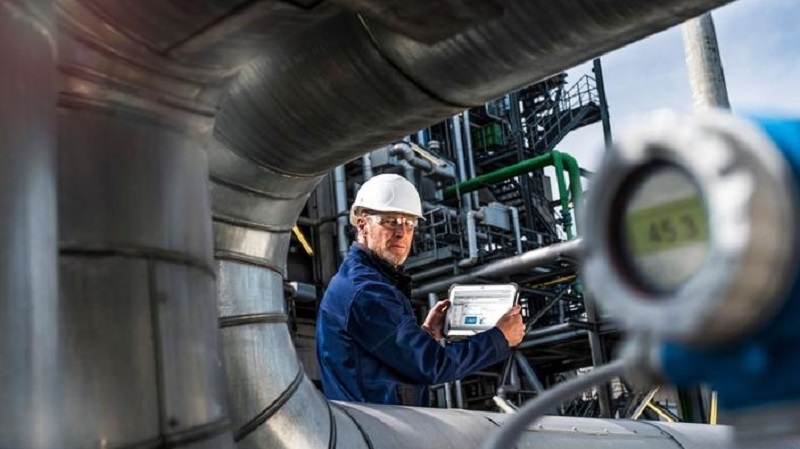
Suggested Image: Siemens industrial automation environment with SIMATIC PLCs, Industrial Edge computing, AI engineering software, digital twins, automated production lines, and engineers monitoring a smart factory.
Industrial automation is entering a new phase in which artificial intelligence is becoming increasingly connected to PLC programming, engineering software, machine vision, digital twins, and production operations. Siemens is continuing to expand this direction in 2026, with recent developments focused on Industrial AI and its integration into real manufacturing environments.
Rather than treating AI as a separate analytics tool, Siemens is working to connect AI directly with engineering and automation workflows. This approach is particularly relevant for manufacturers facing increasingly complex production systems and shortages of experienced automation engineers.
Siemens Brings AI Closer to the PLC
One of Siemens' most notable 2026 developments is the continued expansion of its Eigen Engineering Agent.
The AI system is designed specifically for industrial automation engineering. Siemens has introduced capabilities that can support engineers during earlier stages of the automation lifecycle, including electrical design integration and the generation of standards-compliant automation projects.
This is important because PLC engineering is often only one part of a much larger automation project.
An engineer may need to work with:
Electrical schematics
PLC programs
I/O configurations
Motion parameters
Network architecture
HMI applications
Safety systems
Machine documentation
Commissioning data
Connecting these engineering activities through AI can reduce repetitive work and improve consistency between different engineering disciplines.
Industrial AI Moves into Factory Automation
Siemens published a September 2026 discussion of how Industrial AI is being applied directly to factory automation.
The company described pilot deployments of the Eigen Engineering Agent across more than 100 companies in 19 countries and reported engineering-efficiency improvements of up to 50% in those deployments. Siemens also emphasized that simulation, validation, and human review remain important before AI-generated engineering work reaches live equipment.
This illustrates an important principle for industrial AI.
Factory automation cannot operate like a consumer software application where an incorrect result can simply be ignored.
A PLC controls physical equipment.
An incorrect sequence can stop a production line, damage machinery, or create a safety risk.
Therefore, AI-generated automation logic still requires engineering verification and testing.
AI-Based Quality Inspection
Siemens is also expanding AI into production quality control.
In September 2026, Siemens and Procter & Gamble announced a wider deployment of an AI-based quality inspection system across manufacturing operations.
The system uses Siemens Industrial AI and edge computing technology to perform real-time inspection during production. Siemens reported that the solution had reduced scrap rates by 10% to 20% in certain applications and that new deployments could be commissioned five to ten times faster than traditional customized vision systems.
AI-based inspection can be particularly useful for high-speed manufacturing.
Traditional inspection methods may depend on sampling or predefined visual rules.
AI-based vision systems can instead analyze large numbers of products and identify patterns associated with defects.
Industrial Edge and Local Processing
Industrial Edge computing is an important component of this architecture.
Factories generate huge amounts of information from sensors, cameras, PLCs, drives, robots, and production equipment.
Sending all of this information to a centralized cloud environment can create unnecessary network traffic and may not provide the response time required for production applications.
Edge computing allows data to be processed closer to the machine.
For example, an industrial camera can capture an image, analyze it locally, and provide an immediate result to the production system.
The PLC can then make a decision without waiting for a remote server.
Siemens and the Digital Thread
Another major focus of Siemens' 2026 activities is the connection between engineering, manufacturing, and operations.
At IMTS 2026, Siemens presented a digital thread connecting design, simulation, machining, automation, Industrial AI, and continuous improvement.
The digital thread concept is important because industrial information is often fragmented.
Engineering departments may use one set of tools.
Manufacturing teams may use another.
Maintenance teams may work with separate systems.
Production data may remain isolated inside individual machines.
A connected digital thread can provide a common flow of information throughout the product lifecycle.
CNC and Machine Tool Automation
Machine tool manufacturing is another area where Siemens is expanding the integration of automation and software.
In September 2026, Siemens launched the "Meet at the Machine" initiative with the objective of connecting machine builders, software, and automation technologies.
The initial phase focuses on helping manufacturers prepare production activities before a machine is physically delivered.
This reflects a broader change in machine tool automation.
Commissioning traditionally begins after equipment arrives at the customer's facility.
Digital engineering and simulation can allow more preparation to happen before installation.
Machine programs, production information, and engineering configurations can potentially be developed and tested earlier.
A New Siemens Automation Organization
Siemens is also restructuring its automation activities.
The company announced that its Factory Automation, Motion Control, Process Automation, and Customer Services automation activities will be brought together into a unified Automation organization from October 1, 2026.
The organizational change is relevant to customers because it reflects the increasing integration between different areas of industrial automation.
PLC control, motion systems, process automation, and digital services are no longer completely independent technologies.
A modern production environment may require all of them to work together.
What This Means for SIMATIC Users
For users of Siemens SIMATIC automation systems, the growth of Industrial AI does not mean that traditional PLC technology is becoming irrelevant.
Instead, the PLC remains a critical real-time control layer.
AI and digital software can operate around that control layer to provide additional capabilities.
A typical architecture may include:
SIMATIC PLC → Industrial Network → Industrial Edge → AI Applications → Manufacturing Software
This allows deterministic machine control to remain separate from higher-level analytics and AI functions.
Such separation is important because industrial control requires predictable behavior.
AI and Automation Engineering Productivity
Automation projects can require significant engineering effort.
Even relatively simple machines may contain hundreds of I/O points, multiple drives, networked devices, safety functions, HMIs, and diagnostic systems.
Large plants can contain thousands or millions of signals.
AI-assisted engineering could help engineers search existing projects, generate repetitive code structures, document systems, identify configuration inconsistencies, and accelerate project preparation.
The objective is not necessarily to remove engineers from the process.
Instead, AI can allow engineers to spend more time on system architecture, machine behavior, safety, validation, and optimization.
Cybersecurity and AI
AI also introduces new cybersecurity considerations.
Industrial AI applications may require access to PLC programs, engineering information, process data, and machine configurations.
These systems therefore need appropriate security controls.
Industrial organizations should consider:
User authentication
Role-based access
Network segmentation
Secure engineering environments
Data protection
Software version control
Backup procedures
AI output validation
Change management
An AI system that can generate engineering content must be treated as part of the industrial engineering environment.
The Future of Siemens Automation
Siemens' current direction indicates that automation is becoming increasingly software-driven.
The traditional PLC remains essential for deterministic machine control.
Industrial Edge provides local computing capabilities.
AI assists engineering and quality inspection.
Digital twins and simulation allow systems to be tested before deployment.
Industrial networks connect machines and production systems.
Digital threads connect engineering and manufacturing information.
Together, these technologies create a more integrated automation environment.
Conclusion
Siemens' 2026 developments show how Industrial AI is moving from experimental demonstrations toward practical applications in factory automation.
The Eigen Engineering Agent brings AI closer to PLC and automation engineering, while AI-based quality inspection demonstrates how machine intelligence can also operate directly on production lines.
At the same time, digital thread initiatives are connecting engineering, simulation, manufacturing, and operational data.
For industrial automation users, the important development is the combination of established Siemens automation technologies with new AI capabilities.
The future factory will not simply contain PLCs, robots, sensors, and machines. It will increasingly combine these physical systems with intelligent software capable of assisting engineers, analyzing production data, and improving manufacturing processes.