Emerson Advances Software-Defined Automation with DeltaV IQ Controller and Next-Generation Process Control
Introduction
Process industries are under increasing pressure to improve operational reliability, strengthen cybersecurity, simplify system expansion, and make better use of industrial data. These demands are encouraging automation suppliers to rethink how distributed control systems are engineered and deployed.
Emerson is advancing this transition through its DeltaV automation platform and its software-defined control strategy.
In September 2026, Emerson announced the DeltaV IQ Controller, describing it as a scalable controller operating in a virtualized environment and representing a further step in the company's software-defined automation strategy.
This development reflects a wider industry trend: separating control functionality from some of the constraints of traditional hardware-centric architectures while maintaining the reliability required for industrial operations.
For process automation engineers, the important question is how this approach can support system scalability, lifecycle management, and integration without compromising control performance.
What Is Software-Defined Automation?
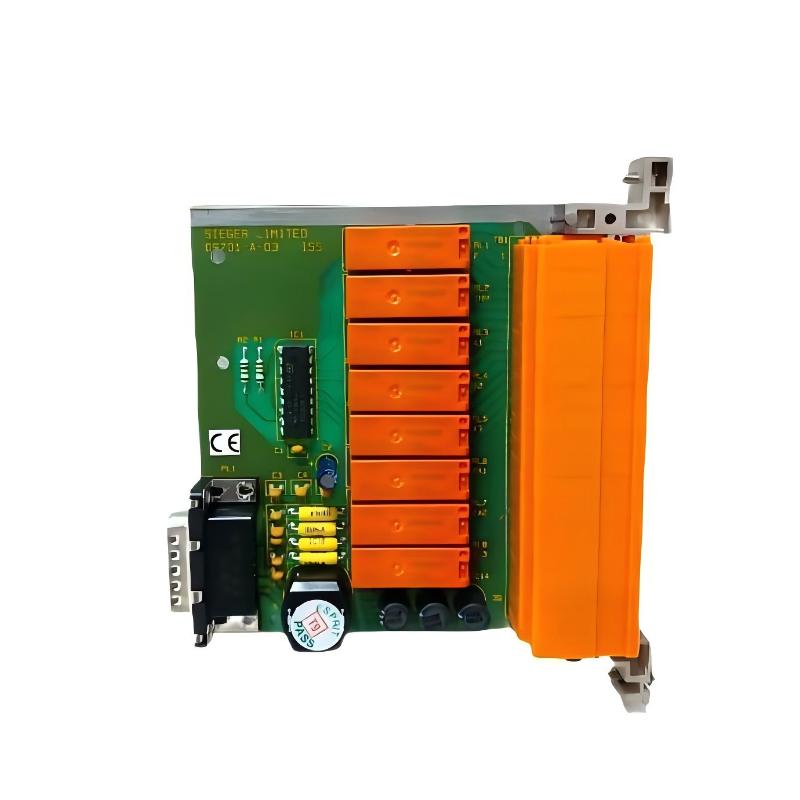
Traditional process automation often associates control functions with dedicated hardware configurations.
A DCS project may involve controllers, I/O modules, communication infrastructure, engineering workstations, operator stations, and application software.
Software-defined automation aims to provide greater flexibility in how control capabilities are deployed, configured, and expanded.
Depending on the architecture, this can involve virtualized computing resources, modular software components, centralized management, and more flexible capacity planning.
The objective is not to eliminate industrial hardware. Field instruments, I/O interfaces, networks, and physical process equipment remain essential.
Instead, software-defined automation changes how control functions and computing resources can be organized.
Emerson Introduces the DeltaV IQ Controller
Emerson announced the DeltaV IQ Controller in September 2026 as part of its continued development of software-defined process control.
The company described the controller as operating in a scalable virtual environment and highlighted increased control capacity and readiness for AI-related workloads.
This approach may be relevant to plants that need to expand automation capacity, consolidate infrastructure, or introduce new digital applications over time.
However, virtualized control is not a universal replacement for every traditional controller. Suitability depends on application requirements, system architecture, redundancy, response times, certification, and the process being controlled.
Engineers must evaluate these factors before selecting a control platform.
DeltaV DCS and Integrated Process Control
The DeltaV distributed control system is designed for industrial processes requiring coordinated control, operator supervision, and system-wide visibility.
Typical applications include:
Chemical manufacturing
Oil and gas processing
Pharmaceutical production
Refining
Power and energy
Food and beverage processing
Specialty materials manufacturing
These industries often involve large numbers of process variables, control loops, alarms, and interconnected equipment.
A DCS coordinates these functions while giving operators the information needed to supervise production and respond to changing conditions.
For many process plants, stability and availability are just as important as raw computing performance.
Why Control Capacity Matters
Industrial facilities change throughout their operating lives.
A plant may add new production units, install additional instruments, introduce advanced control applications, or expand historical data collection.
If the original automation architecture is difficult to scale, these changes can require substantial engineering and infrastructure work.
A more modular approach can help organizations plan future expansion more effectively.
Potential benefits include easier capacity planning, more flexible deployment, and improved alignment between control requirements and computing resources.
Actual benefits depend on system configuration and the operational constraints of the facility.
Virtualization and Industrial Reliability
Virtualization allows software functions to run within managed computing environments rather than being tied exclusively to individual physical servers.
In industrial automation, this can provide flexibility for deploying applications and managing infrastructure.
However, process control has requirements that differ from ordinary business computing.
A control system must operate predictably and respond appropriately to process changes.
Engineers therefore need to assess:
Deterministic control performance
Redundancy and failover behavior
Hardware and software compatibility
Network resilience
Recovery procedures
Lifecycle support
System validation
Cybersecurity controls
Virtualization must be implemented according to the control platform's supported architecture and engineering guidance.
Industrial AI and Process Operations
Artificial intelligence is increasingly being applied to industrial operations.
Process plants generate large amounts of information from temperature, pressure, flow, level, vibration, and equipment-status measurements.
AI and advanced analytics can help engineers interpret this data and identify patterns that may not be obvious through conventional monitoring.
Potential applications include:
Equipment condition analysis
Process optimization
Abnormal situation detection
Maintenance planning
Energy efficiency analysis
Production forecasting
These capabilities can complement the DCS by supporting higher-level analysis and decision-making.
They should not be confused with safety functions or assumed to replace validated control strategies.
DeltaV and AI-Ready Infrastructure
As AI workloads become more common, industrial organizations need to consider where data processing should take place and how applications interact with control systems.
Some workloads may run near the process, while others may operate on separate servers or enterprise platforms.
A carefully designed architecture can keep time-critical control functions appropriately separated from applications that have different performance and availability requirements.
This separation helps prevent analytics workloads from interfering with core process control.
For Emerson users, the continued evolution of DeltaV's software-defined architecture is relevant to long-term planning for automation capacity and industrial digitalization.
Cybersecurity in Software-Defined Control
A more software-centric control architecture also makes cybersecurity planning especially important.
Virtualization introduces additional components that must be configured and maintained securely, including host systems, management software, virtual networks, and application images.
Industrial organizations should consider:
Network segmentation
Role-based access control
Secure administrative accounts
Controlled software updates
Configuration backups
Host-system hardening
Monitoring and incident response
Recovery and continuity plans
Changes to the control environment should follow formal change-management and validation procedures.
For critical process applications, cybersecurity needs to be designed into the architecture rather than added after deployment.
Modernizing Existing Process Plants
Many industrial plants cannot replace their entire automation infrastructure in a single project.
A phased modernization strategy can help manage costs and operational risk.
An organization may first update engineering infrastructure, then modernize selected control applications, improve data integration, and expand analytics capabilities.
Before changing a DCS, engineers should document existing controller configurations, I/O assignments, control strategies, communication interfaces, and dependencies with other systems.
A modernization plan should also identify outage windows, testing requirements, rollback procedures, and operator training needs.
These steps help ensure that new capabilities can be introduced without unnecessary disruption.
Integration with PLCs and Safety Systems
Large process facilities often use a combination of DCS, PLC, and safety instrumented system technologies.
The DCS may supervise continuous process operations, while PLCs handle particular machine packages or equipment sequences. Safety instrumented systems perform designated risk-reduction functions.
Although these systems exchange information, their roles and requirements must remain clearly defined.
Integration planning should address communication interfaces, alarm ownership, time synchronization, system redundancy, and cybersecurity boundaries.
The specific architecture depends on the process and its safety requirements.
Improving Plant Data Visibility
Industrial data becomes more valuable when operators and engineers can interpret it in context.
A DCS can provide process values, alarms, trends, and equipment status. Historians and analytics applications can help organize this information for longer-term analysis.
For example, engineers may compare production output with energy consumption to identify periods of poor efficiency.
Maintenance teams may review equipment histories to determine whether a recurring fault is associated with a particular operating condition.
Better data visibility supports more informed decisions, although the quality of those decisions still depends on accurate data and appropriate technical interpretation.
Applications Beyond Traditional Process Plants
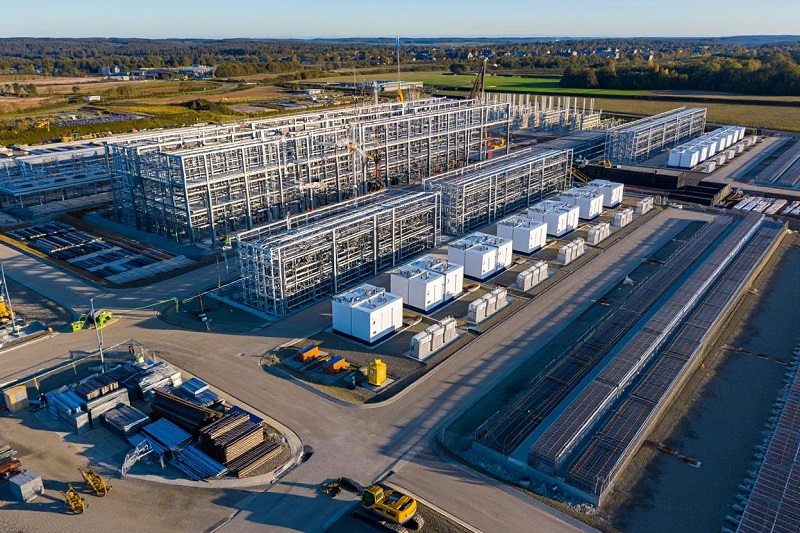
Industrial automation technologies are also being applied to infrastructure with demanding uptime requirements.
Data centers, for example, must coordinate cooling, power distribution, environmental monitoring, and equipment status.
Emerson announced a DeltaV Automation Platform for Data Centers in August 2026, emphasizing integrated monitoring and control across critical facility systems.
This reflects a broader trend in which process automation expertise is being applied to complex infrastructure beyond conventional chemical or energy production.
What Automation Engineers Should Evaluate
Organizations considering software-defined automation should begin with their actual operating requirements.
Important evaluation questions include:
Which control functions need to be migrated or expanded?
What availability and redundancy levels are required?
Which applications need real-time control?
How will the system be maintained throughout its lifecycle?
What are the cybersecurity and regulatory requirements?
How will operators and maintenance teams be trained?
What testing is required before commissioning?
Answering these questions helps determine whether a software-defined architecture is suitable for a particular facility.
Conclusion
Emerson's September 2026 DeltaV IQ Controller announcement highlights the growing importance of software-defined automation in process industries.
By developing more scalable control architectures and preparing for new computing and analytics requirements, Emerson is addressing the changing needs of industrial operators.
For DCS engineers and plant owners, the main consideration is not simply whether control software can run in a virtual environment. It is whether the complete architecture can meet the required standards for reliability, performance, cybersecurity, maintainability, and lifecycle support.
As industrial operations become more data-driven, software-defined control may provide greater flexibility for future expansion while preserving the dependable process control that industrial facilities require.