Modular Automation Systems Enable Flexible Manufacturing and Faster Industrial Production Upgrades in 2026
Flexible PLC Architecture, Modular Control Platforms, and Scalable Automation Solutions Help Manufacturers Adapt to Changing Market Demands
The global manufacturing industry is entering a new stage of development in 2026 as companies increasingly adopt modular automation systems to improve production flexibility, reduce engineering time, and accelerate factory upgrades.
Modern manufacturers face rapidly changing market conditions.
Customer demand is becoming more diverse, product lifecycles are becoming shorter, and companies need to adjust production processes faster than ever before.
Traditional automation systems were often designed for fixed production requirements.
Once installed, major changes could require significant engineering work, equipment modifications, and long downtime periods.
Modular automation is changing this approach.
By using flexible PLC architectures, distributed control solutions, standardized automation components, and scalable software platforms, manufacturers can create production systems that are easier to expand, modify, and maintain.
This development is becoming an important trend in smart manufacturing and industrial digital transformation.
The Growing Demand for Flexible Manufacturing Systems
Manufacturing companies today operate in a highly competitive global environment.
Markets are changing quickly, and customers increasingly require:
- Customized products
- Shorter delivery times
- Higher quality standards
- Faster production changes
Factories must be able to adapt quickly.
Traditional production lines often require long modification periods when companies introduce new products or change manufacturing processes.
Modular automation provides a solution by allowing production systems to be built from independent functional units.
These modules can be:
- Added
- Removed
- Reconfigured
- Upgraded
without completely redesigning the entire automation system.
What Is Modular Automation Technology?
Modular automation refers to an automation approach where industrial systems are designed using standardized and independent components.
A modular automation system may include:
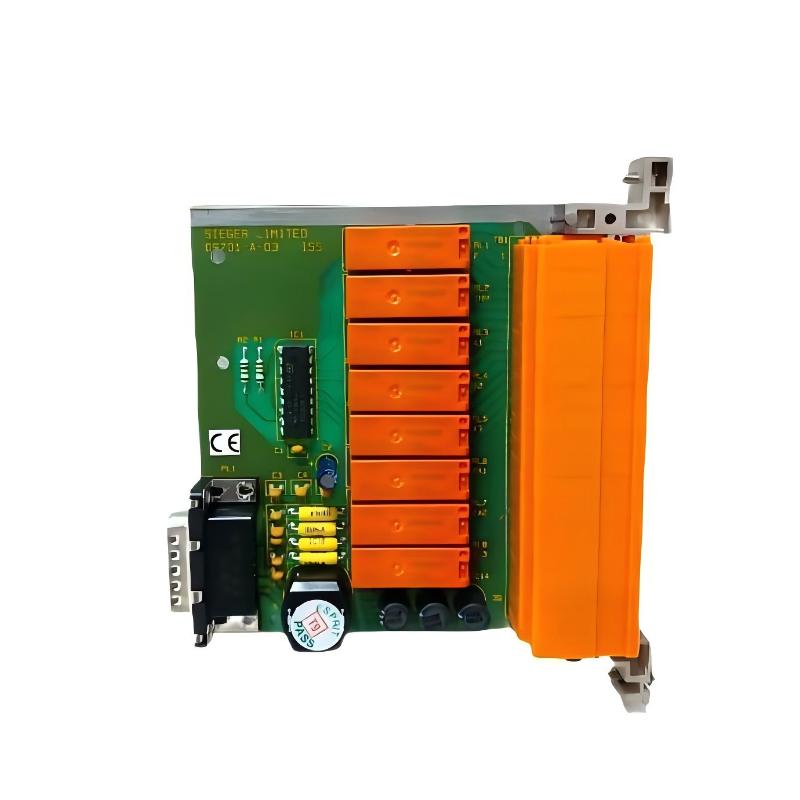
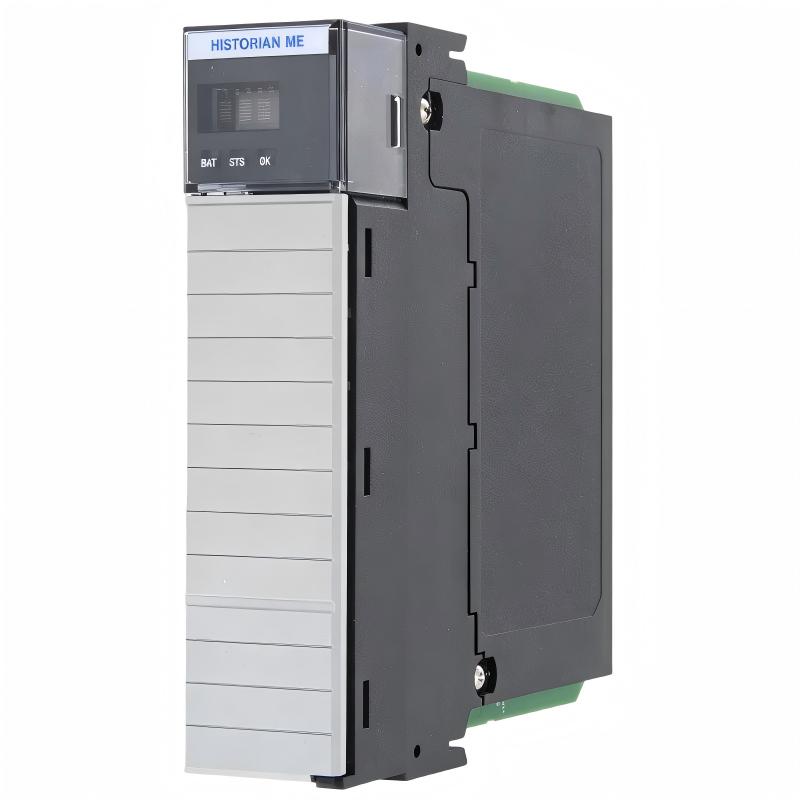
- Modular PLC control units
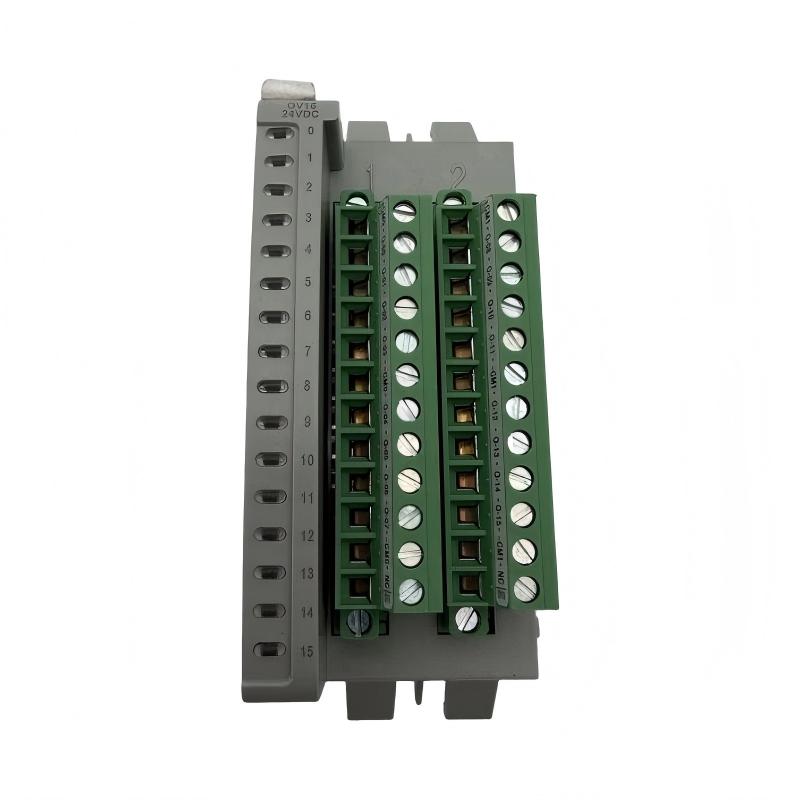
- Distributed I/O systems
- Independent machine modules
- Flexible communication networks
- Reusable software components
Instead of creating one large fixed automation system, engineers can build a production environment using smaller functional blocks.
Each module can perform a specific task while communicating with the overall control system.
Examples include:
- Feeding modules
- Assembly modules
- Inspection modules
- Packaging modules
- Material handling modules
This structure improves flexibility and simplifies future expansion.
The Role of PLC Systems in Modular Automation
PLC technology is a key foundation of modular automation.
Modern PLC platforms support flexible system architectures that allow manufacturers to expand automation capabilities easily.
Advanced PLC systems provide:
- Modular programming structures
- Distributed control capabilities
- Network communication
- Remote diagnostics
- Flexible hardware configuration
Engineers can create reusable PLC programs that can be applied to different machines or production modules.
This reduces development time and improves engineering efficiency.
Distributed Control Architecture Improves System Scalability
Modern factories are moving away from large centralized control structures.
Instead, many companies are adopting distributed automation architectures.
In a distributed system:
- Local controllers manage individual machines
- Remote I/O handles field devices
- Communication networks connect different modules
Advantages include:
- Easier system expansion
- Reduced wiring complexity
- Faster installation
- Improved troubleshooting
This architecture is especially valuable for large manufacturing facilities.
Modular Automation Reduces Engineering and Installation Time
One of the biggest advantages of modular automation is faster project implementation.
Traditional automation projects often require:
- Custom engineering
- Complex wiring
- Long testing periods
- Extensive commissioning work
Modular systems simplify these processes.
Engineers can develop and test individual modules before installation.
Benefits include:
- Shorter project schedules
- Reduced engineering costs
- Easier maintenance
- Improved project reliability
For global manufacturers, faster automation deployment provides significant competitive advantages.
The Importance of Standardized Automation Components
Standardization is an important element of modular automation.
Manufacturers are increasingly using standardized:
- Control hardware
- Communication protocols
- Software libraries
- Engineering methods
Standardized components allow companies to:
- Reduce design complexity
- Improve system compatibility
- Simplify maintenance
- Train engineers more efficiently
Open industrial communication technologies also support modular automation development.
Modular Automation Supports Industry 4.0 Development
Industry 4.0 requires manufacturing systems that are connected, intelligent, and flexible.
Modular automation supports these goals by enabling:
- Faster data exchange
- Easier equipment integration
- Improved production visibility
- Better system scalability
A modular factory can integrate new technologies more easily, including:
- Industrial IoT devices
- Artificial intelligence systems
- Robotics
- Digital twin platforms
- Advanced analytics tools
This creates a foundation for future smart manufacturing.
The Integration of Robotics and Modular Production Lines
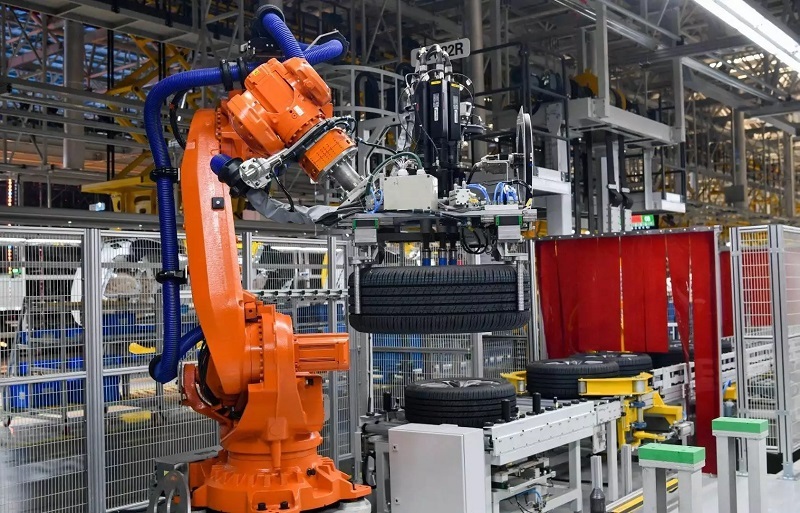
Robotics is becoming increasingly important in modular automation systems.
Modern factories often require production lines that can quickly adapt to different products.
Modular robotic systems allow manufacturers to:
- Add new robot stations
- Change production layouts
- Upgrade automation functions
PLC systems coordinate communication between:
- Robots
- Sensors
- Conveyors
- Inspection equipment
This creates flexible manufacturing environments.
The Role of Digital Engineering in Modular Automation
Digital engineering tools are helping companies design modular automation systems more efficiently.
Modern engineering methods allow teams to:
- Simulate production processes
- Test automation logic
- Optimize system layouts
- Reduce implementation risks
Digital models help engineers understand how different modules will operate together before physical installation.
This improves project quality and reduces unexpected problems.
Maintenance Advantages of Modular Automation Systems
Maintenance is a major concern for industrial companies.
Production downtime can create significant financial losses.
Modular automation improves maintenance efficiency by making systems easier to analyze and repair.
Advantages include:
- Faster fault identification
- Easier module replacement
- Reduced troubleshooting time
- Improved spare parts management
Maintenance teams can focus on individual modules instead of analyzing the entire production system.
Challenges in Implementing Modular Automation
Although modular automation provides many benefits, companies must consider several challenges.
Important factors include:
System Compatibility
Different automation components must communicate effectively.
Engineering Standards
Companies need consistent design methods.
Staff Training
Engineers must understand modular programming and system architecture.
Cybersecurity
Connected modular systems require strong security management.
Proper planning is essential for successful implementation.
The Future Development of Modular Industrial Automation
The future of modular automation will focus on:
- More intelligent control systems
- Artificial intelligence integration
- Autonomous production modules
- Cloud-connected automation
- Advanced industrial communication
Factories will become more flexible and capable of adapting quickly to changing market requirements.
Manufacturers will increasingly move from fixed production systems toward dynamic and scalable automation environments.
Conclusion: Modular Automation Creates the Factory of the Future
Modular automation is becoming an important strategy for modern industrial companies.
By combining flexible PLC systems, distributed control architectures, standardized components, and digital technologies, manufacturers can create production systems that are faster, smarter, and easier to upgrade.
The future factory will require the ability to adapt quickly.
Companies that adopt modular automation solutions will benefit from:
- Faster production changes
- Lower engineering costs
- Improved system flexibility
- Better long-term scalability
As global manufacturing continues its digital transformation, modular automation will become a key technology supporting efficient and intelligent industrial operations.