Industrial Energy Management Systems Gain Momentum as Manufacturers Use Automation Technology to Reduce Energy Consumption in 2026
PLC, DCS, and Smart Monitoring Solutions Help Global Industries Achieve Higher Efficiency and Sustainable Production
The global manufacturing industry is entering a new era of energy optimization in 2026 as companies increasingly rely on industrial automation technologies to improve energy efficiency, reduce operating costs, and support sustainable production goals.
Energy consumption has become one of the most important challenges for industrial companies.
Factories, processing plants, and large production facilities require significant amounts of electricity, fuel, and other energy resources to operate machinery and maintain continuous production.
With increasing pressure to improve profitability and sustainability, manufacturers are investing in advanced energy management solutions based on PLC systems, Distributed Control Systems (DCS), SCADA platforms, smart sensors, and industrial data analytics.
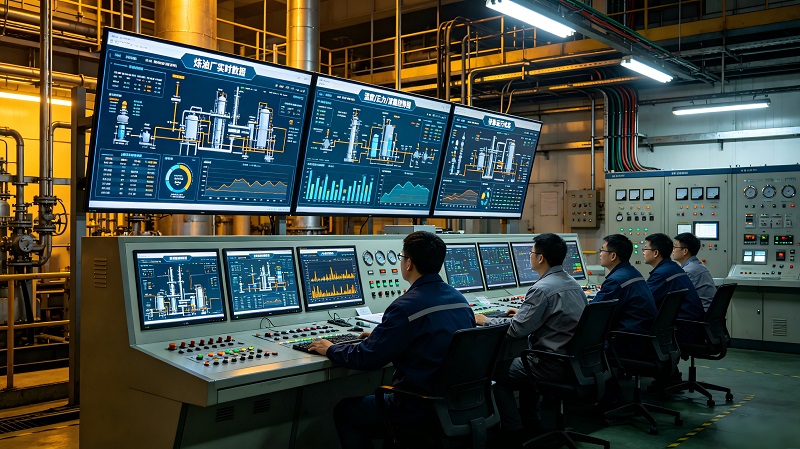
Modern automation technology allows companies to understand energy usage in real time, identify waste, optimize equipment operation, and create more efficient production environments.
Energy management is no longer only an environmental goal. It has become a key factor affecting industrial competitiveness.
Why Energy Efficiency Has Become a Priority for Industrial Companies
Industrial production consumes a large percentage of global energy resources.
Major energy-consuming sectors include:
- Manufacturing
- Chemical processing
- Metal production
- Food processing
- Oil and gas
- Power generation
- Water treatment
Many industrial machines operate continuously, making energy optimization extremely important.
Companies are searching for ways to:
- Reduce electricity costs
- Improve equipment efficiency
- Lower production expenses
- Reduce carbon emissions
- Increase operational visibility
Automation technology provides powerful tools to achieve these objectives.
The Role of PLC Systems in Industrial Energy Monitoring
PLC controllers are widely used in industrial automation and play an important role in energy management.
Modern PLC systems can collect and process information from:
- Energy meters
- Motors
- Variable frequency drives
- Production equipment
- Smart sensors
This information allows factories to monitor energy consumption at different production stages.
For example:
A manufacturing company can analyze electricity usage from individual machines and identify which equipment consumes excessive energy.
Based on this information, engineers can optimize operating parameters and improve efficiency.
DCS Technology Supports Energy Optimization in Process Industries
Distributed Control Systems are essential for energy-intensive process industries.
Industries such as:
- Chemical plants
- Refineries
- Power stations
- Pharmaceutical facilities
depend on DCS platforms to manage complex processes.
Modern DCS systems help optimize:
- Temperature control
- Pressure management
- Process efficiency
- Equipment performance
Small improvements in process control can create significant energy savings in large industrial facilities.
Smart Sensors Improve Energy Data Collection
Accurate data is the foundation of effective energy management.
Traditional energy monitoring methods often provided limited information.
Smart sensors provide detailed operational data, including:
- Real-time power consumption
- Equipment operating conditions
- Energy performance trends
- Machine efficiency information
This allows companies to make decisions based on actual production data rather than assumptions.
The Importance of Variable Frequency Drives in Energy Saving
Variable Frequency Drives (VFDs) are widely used in industrial applications.
They control the speed of motors according to actual production requirements.
Without speed control, motors often operate at maximum capacity even when full power is unnecessary.
VFD technology helps reduce energy consumption by:
- Adjusting motor speed
- Reducing unnecessary operation
- Improving equipment performance
When integrated with PLC and DCS systems, VFDs become an important part of intelligent energy management.
Industrial Data Analytics Improves Energy Decisions
Modern factories generate large amounts of operational data.
Automation systems can analyze:
- Energy consumption patterns
- Equipment performance
- Production efficiency
- Operating conditions
Industrial analytics platforms help identify:
- Energy waste
- Inefficient equipment
- Optimization opportunities
This allows companies to continuously improve their energy performance.
The Integration of Energy Management and Smart Factory Systems
Energy management is becoming an important part of smart factory development.
Modern factories integrate:
- PLC systems
- DCS platforms
- SCADA monitoring
- MES software
- Energy management systems
This integration creates complete visibility from production operations to energy consumption.
Managers can understand:
- How much energy is used
- Where energy is consumed
- How production affects energy usage
This supports better decision-making.
Artificial Intelligence Improves Energy Optimization
Artificial intelligence is creating new opportunities for industrial energy management.
AI systems can analyze historical and real-time data to identify optimization strategies.
Applications include:
Predictive Energy Management
AI can predict future energy demand based on production schedules.
Automatic Process Adjustment
AI can recommend changes to improve efficiency.
Equipment Performance Analysis
AI can identify machines operating inefficiently.
These capabilities help factories reduce energy waste.
The Connection Between Energy Management and Sustainability
Sustainable manufacturing has become an important goal for industrial companies.
Automation-based energy management supports sustainability by helping reduce:
- Energy consumption
- Carbon emissions
- Material waste
- Production inefficiency
Companies are increasingly viewing automation as a tool for achieving both economic and environmental benefits.
Future Development of Industrial Energy Automation
Future energy management systems will become more intelligent through:
- AI technology
- Industrial IoT
- Advanced sensors
- Cloud analytics
- Smart PLC platforms
- Digital manufacturing systems
Factories will increasingly operate with automatic energy optimization capabilities.
Automation systems will not only control production but also manage resource efficiency.
Conclusion: Automation Technology Becomes a Key Solution for Industrial Energy Efficiency
Industrial energy management is becoming one of the most important applications of automation technology.
PLC systems, DCS platforms, smart sensors, and industrial analytics provide manufacturers with powerful tools to reduce energy consumption and improve efficiency.
As global industries continue moving toward smarter and more sustainable production, energy management automation will become a critical part of future factory development.
Companies investing in intelligent energy solutions will gain advantages through:
- Lower operating costs
- Improved production efficiency
- Better sustainability performance
- Stronger market competitiveness
The future industrial factory will not only produce more efficiently but also consume resources more intelligently.