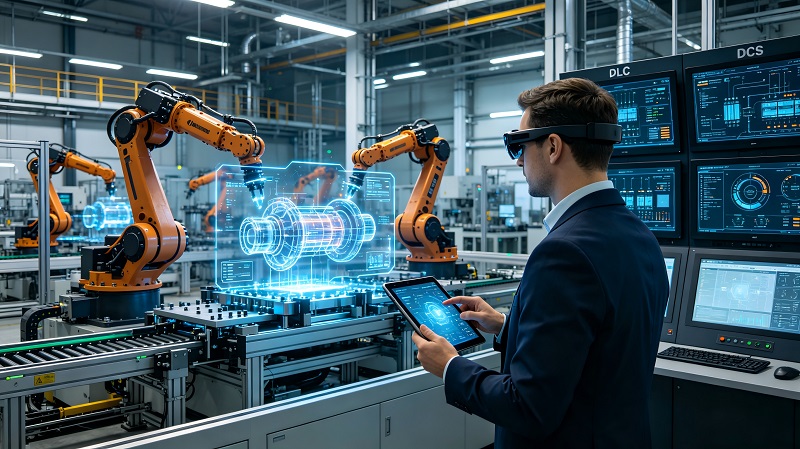
Industrial Edge Computing Transforms PLC and DCS Automation Systems for Real-Time Smart Manufacturing in 2026
Edge Intelligence Brings Faster Data Processing, Improved Automation Performance, and Greater Flexibility to Modern Industrial Operations
The industrial automation industry is undergoing a major transformation in 2026 as manufacturers increasingly adopt Industrial Edge Computing technologies to improve the performance of PLC systems, Distributed Control Systems (DCS), and smart factory solutions.
As factories become more connected, the amount of industrial data generated by machines, sensors, controllers, and production systems continues to increase rapidly.
Traditional automation architectures often transfer large amounts of data to centralized servers or cloud platforms for processing. While cloud computing provides powerful analytical capabilities, many industrial applications require faster response times and real-time decision-making.
Industrial Edge Computing addresses this challenge by processing data closer to where it is generated — directly near machines, production lines, and automation equipment.
This approach allows manufacturers to achieve:
- Faster industrial decision-making
- Reduced network communication delays
- Improved equipment monitoring
- Better data security
- More efficient automation processes
The combination of Edge Computing with PLC, DCS, SCADA, and Industrial IoT technologies is creating a new generation of intelligent industrial automation systems.
The Growing Importance of Industrial Edge Computing in Manufacturing
Modern factories generate massive amounts of operational data every second.
Industrial equipment produces information related to:
- Temperature
- Pressure
- Vibration
- Speed
- Energy consumption
- Production quality
- Equipment status
In traditional automation environments, this data is often transferred to centralized systems for analysis.
However, many industrial applications cannot wait for data to travel long distances before decisions are made.
Examples include:
- High-speed production lines
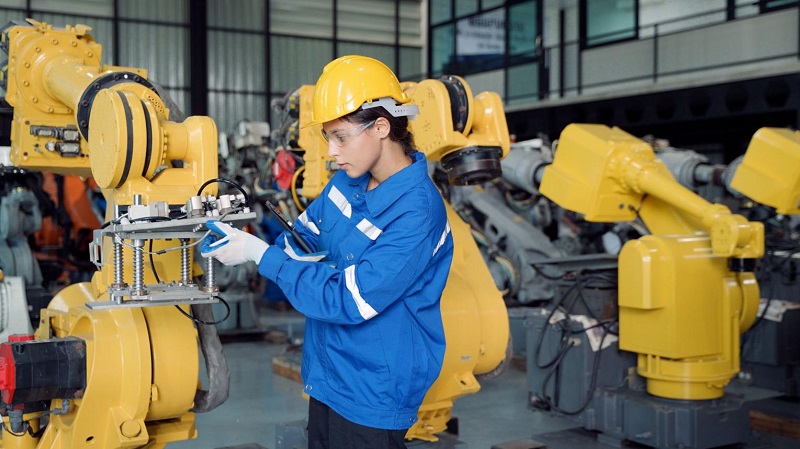
- Robotic systems
- Machine vision inspection
- Motion control applications
- Safety-critical operations
These applications require immediate responses.
Industrial Edge Computing enables local data processing, allowing automation systems to make faster decisions.
How Edge Computing Changes PLC Automation Architecture
PLC systems have always been the foundation of industrial control.
Traditional PLC applications focus mainly on:
- Logic execution
- Machine control
- Signal processing
- Equipment coordination
However, modern manufacturing requires PLC systems to perform additional tasks.
Factories now need controllers that can support:
- Data analysis
- Communication with digital platforms
- AI applications
- Remote monitoring
- Advanced diagnostics
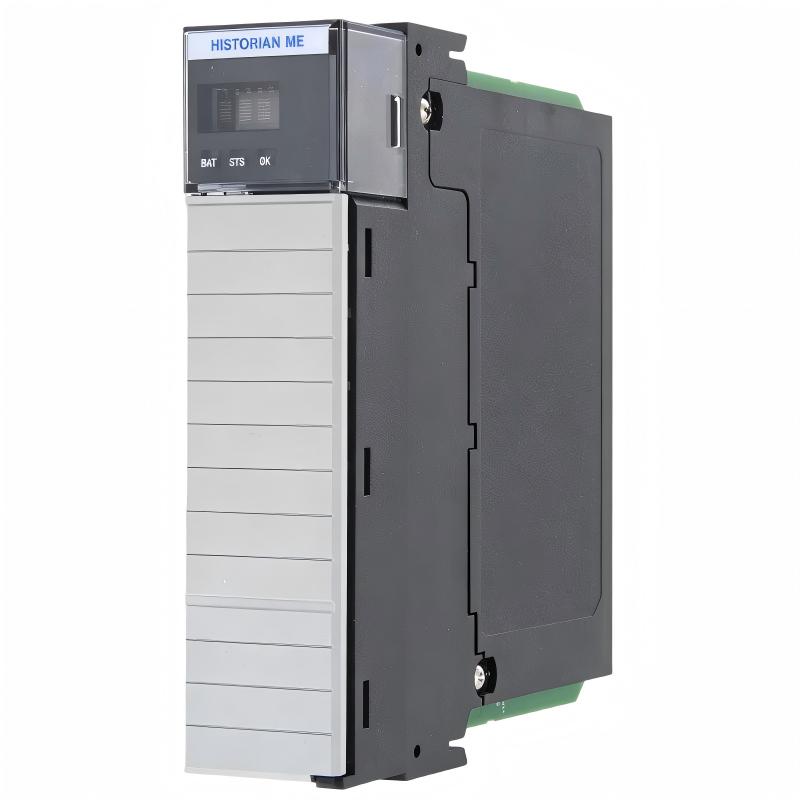
Industrial Edge devices extend PLC capabilities by providing additional computing power near production equipment.
A typical modern architecture may include:
Field Level
Sensors, motors, drives, and machines.
Control Level
PLC controllers and industrial automation devices.
Edge Level
Industrial computers processing real-time data.
Cloud Level
Advanced analytics and enterprise applications.
This structure creates a more efficient automation ecosystem.
Industrial Edge Computing Enhances DCS Performance
Distributed Control Systems are widely used in industries where continuous operation and process stability are essential.
Typical DCS applications include:
- Chemical manufacturing
- Oil and gas processing
- Power generation
- Pharmaceutical production
- Water treatment
Modern DCS systems collect enormous amounts of process information.
Industrial Edge Computing helps improve DCS performance by enabling:
- Faster process analysis
- Local data processing
- Advanced monitoring
- Improved operational decisions
Instead of sending all process data to external systems, Edge Computing allows critical information to be analyzed locally.
This improves system responsiveness and reliability.
Real-Time Data Processing Improves Industrial Decision-Making
One of the biggest advantages of Industrial Edge Computing is real-time data processing.
In modern factories, production conditions can change quickly.
For example:
A machine may suddenly show abnormal vibration.
A production line may experience quality problems.
A process parameter may move outside the ideal range.
Edge Computing systems can analyze these conditions immediately and trigger appropriate actions.
Benefits include:
- Faster problem detection
- Reduced production losses
- Improved equipment protection
- Better operational control
Real-time intelligence is becoming an essential requirement for modern manufacturing.
The Combination of Edge Computing and Artificial Intelligence
Artificial intelligence is becoming increasingly important in industrial automation.
However, AI applications often require large amounts of data processing.
Industrial Edge Computing provides an ideal environment for deploying AI closer to machines.
Important applications include:
AI-Based Equipment Monitoring
Edge AI systems can analyze equipment conditions locally.
They can identify:
- Abnormal vibration
- Temperature changes
- Performance degradation
This supports predictive maintenance strategies.
Machine Vision Inspection
Industrial vision systems require extremely fast processing.
Edge Computing allows images and inspection data to be analyzed immediately.
Applications include:
- Product defect detection
- Quality inspection
- Manufacturing accuracy improvement
Intelligent Process Optimization
Edge AI can analyze production data and recommend improvements.
This helps manufacturers achieve:
- Better efficiency
- Reduced waste
- Improved quality
Industrial IoT and Edge Computing Create Connected Factories
Industrial Internet of Things technology depends heavily on efficient data processing.
A smart factory may contain thousands of connected devices.
These include:
- Sensors
- PLC systems
- Robots
- Smart machines
- Energy monitoring devices
Industrial Edge Computing helps manage this large amount of information.
Instead of sending all data to centralized systems, Edge devices can:
- Filter unnecessary information
- Analyze important data
- Provide immediate responses
This reduces network pressure and improves system efficiency.
Improving Automation System Reliability Through Edge Technology
Reliability is one of the most important requirements in industrial automation.
Factories cannot afford frequent production interruptions.
Industrial Edge Computing improves reliability by providing:
- Local control capabilities
- Faster fault detection
- Better equipment monitoring
- Reduced dependence on remote systems
Even if communication with external platforms is temporarily unavailable, local Edge systems can continue supporting critical operations.
Cybersecurity Advantages of Industrial Edge Computing
As industrial systems become more connected, cybersecurity becomes increasingly important.
Edge Computing can improve security by reducing unnecessary data transmission.
Advantages include:
- Local data processing
- Better access control
- Reduced external communication
- Improved network management
However, Edge devices themselves must also be protected.
Industrial companies need security strategies covering:
- Device authentication
- Software updates
- Network protection
- User permissions
Security must be considered during every stage of automation system design.
The Impact of Edge Computing on Automation Engineers
The development of Industrial Edge technology is changing the skills required for automation professionals.
Traditional automation knowledge remains essential:
- PLC programming
- DCS engineering
- SCADA configuration
- Industrial commissioning
New technical areas are becoming increasingly important:
- Industrial networking
- Edge computing platforms
- Data analytics
- Artificial intelligence
- Cybersecurity
Future automation engineers will need to understand both control systems and digital technologies.
Industrial Edge Computing Supports Flexible Manufacturing
Modern manufacturers need flexible production systems.
Market demand changes quickly, and factories must adapt faster.
Industrial Edge Computing supports flexibility by enabling:
- Faster system adjustments
- Better production monitoring
- Easier integration of new equipment
- Improved automation scalability
This is especially important for industries producing customized products.
Future Trends of Industrial Edge Automation
Industrial Edge Computing will continue developing with technologies such as:
- Artificial intelligence
- 5G industrial communication
- Digital twins
- Advanced analytics
- Autonomous production systems
Future factories will increasingly combine:
- PLC control
- DCS process management
- Edge intelligence
- Cloud platforms
This integrated approach will create more powerful and intelligent automation environments.
Conclusion: Edge Computing Becomes a Key Technology for Future Automation
Industrial Edge Computing is changing the way factories process information and operate automation systems.
By bringing computing power closer to production equipment, Edge technology improves:
- Response speed
- Data processing efficiency
- Automation performance
- System reliability
The integration of Edge Computing with PLC, DCS, SCADA, and Industrial IoT technologies represents an important step toward intelligent manufacturing.
As global industries continue their digital transformation, Industrial Edge Computing will become a core technology supporting smarter, faster, and more efficient factories.