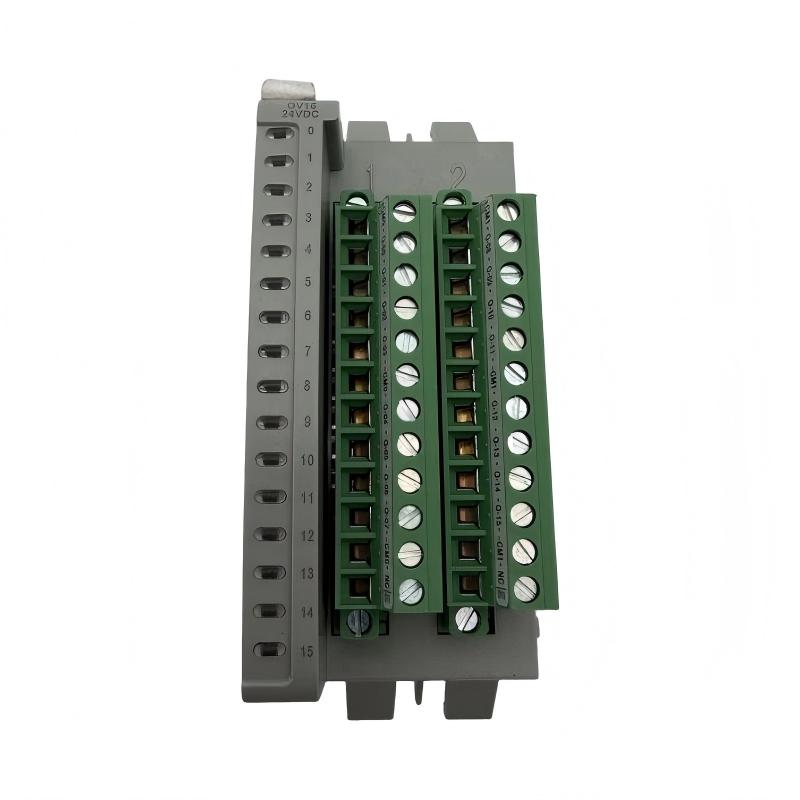
Rockwell Automation Expands Industrial Digital Transformation with Advanced PLC, Edge and Connected Factory Solutions
Smart Manufacturing Platforms, Industrial IoT and Intelligent Control Systems Accelerate Factory Modernization
The global manufacturing industry is entering a new era of digital transformation as companies continue investing in connected automation systems, intelligent controllers and industrial data platforms.
Manufacturers are facing increasing challenges, including changing customer requirements, supply chain uncertainty, labor shortages and the need for higher production efficiency.
To address these challenges, industrial companies are accelerating the adoption of smart manufacturing technologies that combine programmable logic controllers, industrial networking, edge computing and advanced analytics.
Rockwell Automation continues developing automation solutions designed to help manufacturers improve operational visibility, production flexibility and equipment reliability.
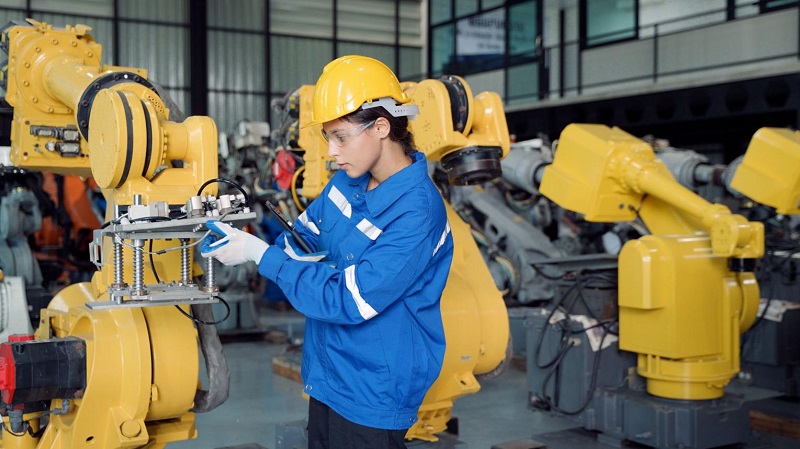
Modern factories are no longer based only on mechanical automation.
Instead, they are becoming intelligent production environments where machines, control systems and software platforms work together.
This transformation is creating new opportunities for automation engineers, system integrators and industrial equipment suppliers worldwide.
PLC Controllers Remain the Core of Connected Manufacturing
Programmable Logic Controllers continue to serve as the foundation of industrial automation.
Across industries such as automotive, food processing, pharmaceuticals, energy and packaging, PLC systems provide reliable control for production equipment.
A modern PLC system manages communication between:
- Sensors
- Motors
- Servo drives
- Robots
- HMIs
- Safety devices
- Industrial networks
As manufacturing becomes more connected, PLC controllers are evolving from traditional logic processors into intelligent automation platforms.
Modern PLC technologies provide:
- Faster processing
- Advanced diagnostics
- Remote monitoring
- Network communication
- Data collection capabilities
These functions allow manufacturers to improve production visibility and make faster operational decisions.
Smart Factory Development Increases Demand for Industrial Data
Data has become one of the most valuable resources in modern manufacturing.
Industrial companies are collecting information from machines and production lines to understand:
- Equipment performance
- Production efficiency
- Energy consumption
- Maintenance requirements
- Product quality
However, collecting data is only the first step.
Manufacturers must transform industrial data into useful information.
This requires integration between:
- PLC systems
- Industrial software
- Edge devices
- Cloud platforms
- Manufacturing execution systems
Connected automation architectures allow companies to move from reactive production management toward predictive and optimized operations.
Industrial Edge Computing Improves Real-Time Automation
Industrial edge computing is becoming increasingly important because factories require faster responses.
Traditional cloud-based systems may introduce communication delays.
Edge computing processes information closer to production equipment.
Benefits include:
- Faster decision-making
- Reduced network traffic
- Improved reliability
- Better data protection
Industrial edge applications include:
- Machine condition monitoring
- Production optimization
- Quality analysis
- Energy management
By combining PLC control with edge computing, manufacturers can achieve more intelligent automation systems.
Industrial IoT Connects Machines and Production Systems
Industrial Internet of Things technology is transforming traditional factories.
IIoT connects industrial assets including:
- Controllers
- Sensors
- Drives
- Robots
- Machines
- Monitoring systems
Connected equipment provides continuous information about factory operations.
Manufacturers can use this information to:
- Improve productivity
- Reduce downtime
- Optimize maintenance
- Increase equipment utilization
Industrial IoT is becoming an important foundation for Industry 4.0 development.
Predictive Maintenance Improves Equipment Reliability
Unplanned downtime remains one of the biggest challenges for manufacturers.
A single equipment failure can interrupt production and create significant financial losses.
Predictive maintenance technologies analyze machine information to identify potential problems before failures occur.
Data sources may include:
- Motor conditions
- Temperature information
- Vibration signals
- Operating cycles
- Electrical performance
Benefits include:
- Reduced downtime
- Better maintenance planning
- Longer equipment lifespan
- Improved production stability
Predictive maintenance is becoming a standard feature of intelligent manufacturing systems.
Cybersecurity Becomes Critical for Connected Factories
As industrial systems become more connected, cybersecurity requirements continue increasing.
Modern factories must protect:
- PLC networks
- Industrial communication systems
- Remote access platforms
- Production data
Industrial cybersecurity strategies include:
- Network segmentation
- Access control
- Secure communication
- Device monitoring
Future automation systems must combine intelligence with strong security protection.
Automation Modernization Creates Global Opportunities
Many manufacturers worldwide are upgrading existing automation infrastructure.
Instead of replacing entire factories, companies often modernize individual systems.
Common modernization projects include:
- PLC replacement
- HMI upgrades
- Communication improvements
- Drive system upgrades
- Safety system improvements
This creates strong demand for industrial automation components.
Global buyers continue searching for:
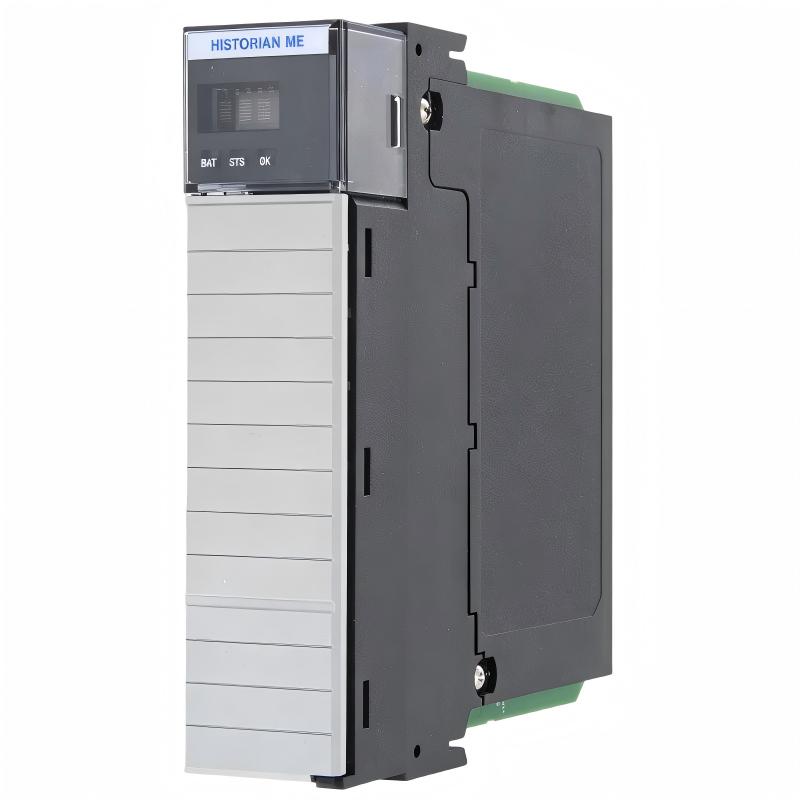
- PLC modules
- Communication cards
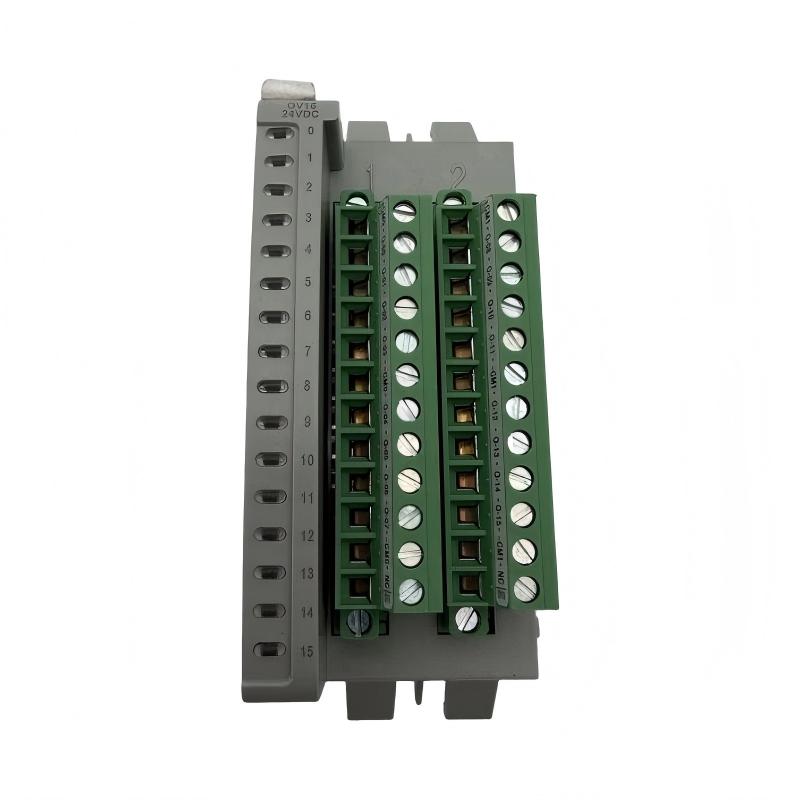
- Digital I/O modules
- Industrial computers
- HMI equipment
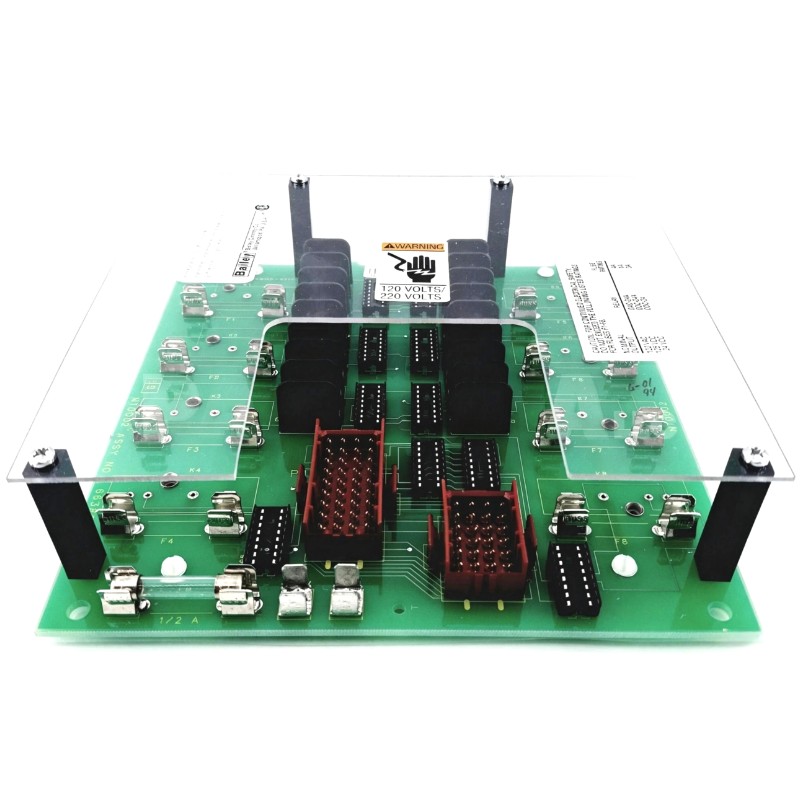
- Control components
Future Outlook of Smart Manufacturing
The next generation of factories will integrate:
- Intelligent PLC systems
- Industrial AI
- Edge computing
- Robotics
- Digital twins
- Industrial IoT
Manufacturing will become more flexible, connected and data-driven.
Automation systems will not only control machines but also support continuous improvement and intelligent decision-making.