Woodward Expands Intelligent Control Technology for Energy, Turbine and Industrial Automation Applications
Introduction
Energy and industrial automation are undergoing rapid transformation as companies demand higher efficiency, improved reliability, and greater control over complex equipment.
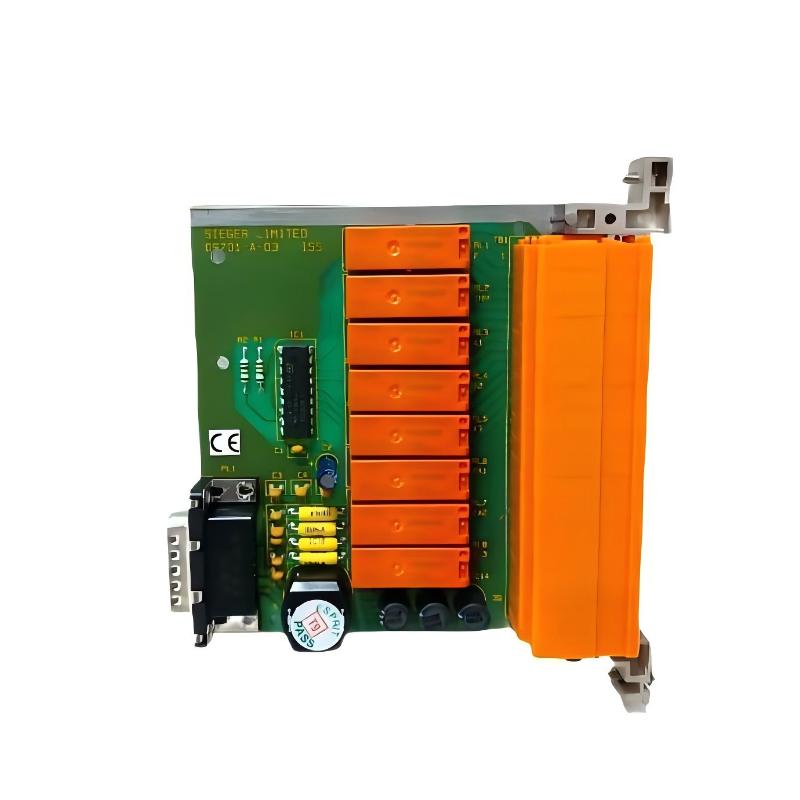
Woodward continues to develop advanced control technologies for critical applications including turbines, engines, generators, and energy management systems.
With decades of experience in industrial control, Woodward has become an important supplier for industries where precise control and high reliability are essential.
The company's technologies are widely used in:
Power generation
Aerospace systems
Industrial engines
Oil and gas
Energy infrastructure
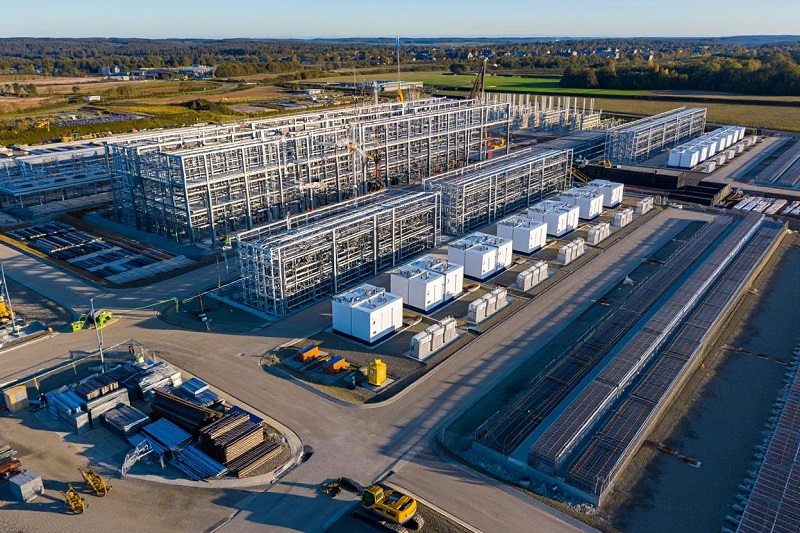
As global energy systems become more flexible and decentralized, intelligent control systems are becoming increasingly important.
Advanced Control Systems for Energy Applications
Modern energy facilities require precise management of complex equipment.
Gas turbines, steam turbines, engines, and generators must operate within carefully controlled conditions.
Control systems manage parameters such as:
Speed
Load
Temperature
Fuel supply
Pressure
Generator performance
A small control error can affect efficiency, reliability, or equipment life.
Woodward specializes in control solutions designed for these demanding environments.
Its technologies help operators maintain stable operation while improving efficiency.
Digital Transformation of Turbine Control
Traditional turbine control systems focused mainly on maintaining operating conditions.
Modern systems increasingly incorporate:
Digital controllers
Communication networks
Advanced diagnostics
Data analysis
Remote monitoring
This transformation allows operators to better understand equipment behavior.
Data collected from industrial controllers can support:
Performance optimization
Maintenance planning
Fault diagnosis
Operational improvement
For power plants and industrial facilities, improved visibility can help reduce downtime and increase equipment availability.
Supporting the Energy Transition
The global energy industry is changing rapidly.
Companies are investing in:
Renewable energy
Hydrogen technologies
Distributed power generation
Energy storage
Hybrid systems
These changes create new requirements for industrial control technology.
Energy systems must become more flexible.
Equipment may need to respond faster to changing demand.
Control systems must coordinate multiple energy sources.
Woodward's expertise in engine and turbine control provides a foundation for these evolving applications.
Industrial Control and Automation Integration
Modern industrial facilities rarely operate with isolated systems.
They typically include:
PLC systems
DCS platforms
SCADA systems
Safety systems
Energy management software
Control equipment must communicate effectively within this environment.
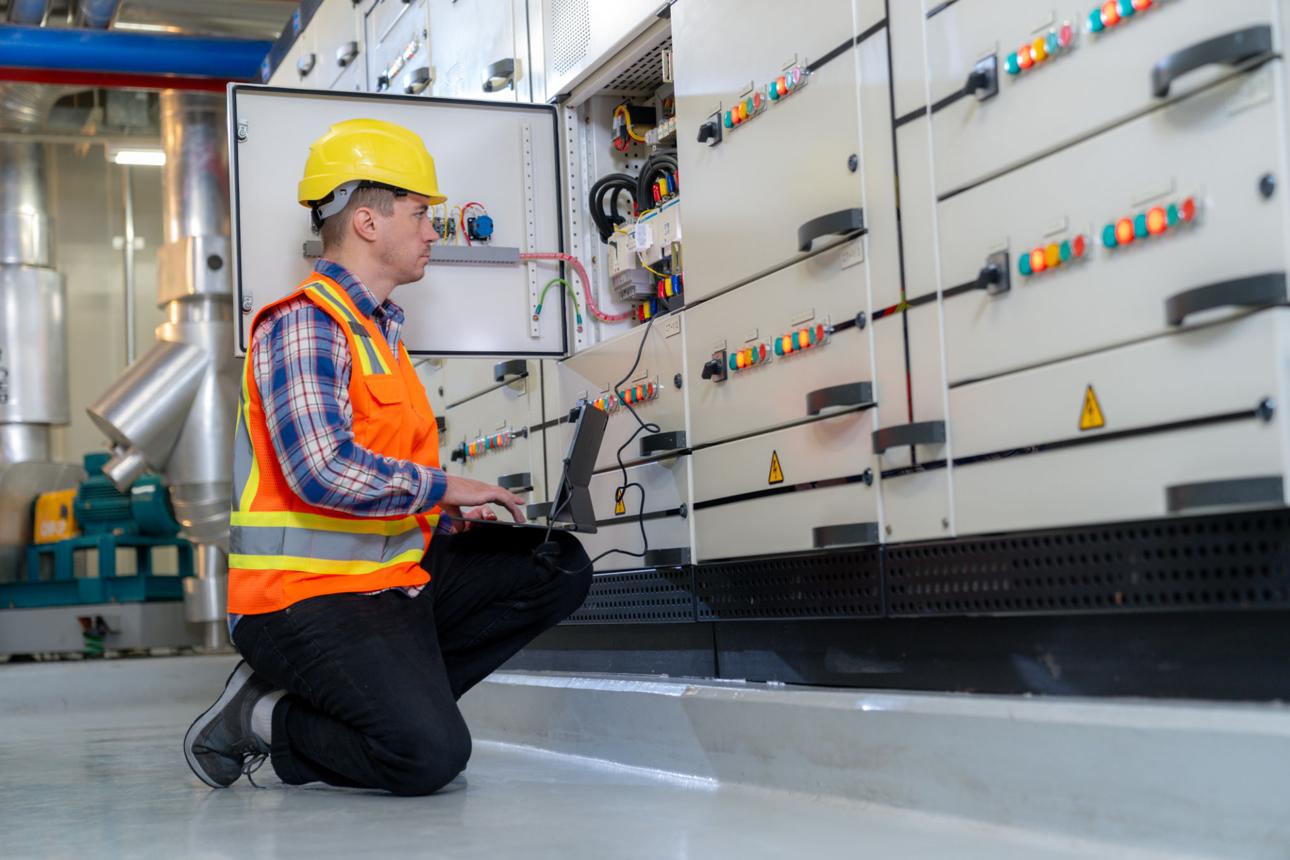
Integration allows operators to monitor equipment performance and coordinate operations across multiple systems.
However, industrial integration requires careful attention to communication protocols, cybersecurity, and system reliability.
Predictive Maintenance for Critical Equipment
Unexpected failure of turbines or engines can create significant financial losses.
Predictive maintenance helps organizations identify potential problems before they become serious failures.
Important data sources include:
Operating temperature
Vibration
Load conditions
Historical performance
Fault records
Advanced analysis can help maintenance teams understand equipment condition and schedule service more effectively.
Cybersecurity in Industrial Control
As industrial control systems become more connected, cybersecurity becomes increasingly important.
Energy infrastructure requires strong protection because equipment availability directly affects operations.
Important cybersecurity practices include:
Secure network design
Access management
System monitoring
Controlled software updates
Industrial control systems must balance connectivity with protection.
Future of Intelligent Industrial Control
The future of industrial control will combine:
Advanced controllers
Artificial intelligence
Digital twins
Data analytics
Remote monitoring
Control systems will continue moving from simple regulation toward intelligent optimization.
For energy and industrial companies, this evolution provides opportunities to improve efficiency and reliability.
Conclusion
Woodward remains an important technology provider in industrial control applications where precision and reliability are essential.
As energy systems evolve and industrial automation becomes more connected, intelligent control technology will play an increasingly important role.
For engineers working with turbines, generators, and industrial energy systems, advanced control solutions will remain a critical foundation for safe and efficient operations.